50 Essential Questions for a Thyroid Health Appointment: Empowering Your Health Journey
Author: Feras Alayed
Published:
Updated:
Category: hormonal-health
Reading Time: 11 minutes
- Preparation with written questions significantly improves medical appointment efficiency.
- Understanding the difference between TSH, T4, and T3 is vital for tracking your condition.
- The link between the thyroid and stress hormones (cortisol) impacts your overall well-being.
- Health Information Literacy is your key to effective communication with your medical team.
The Importance of Health Literacy in Thyroid Management
Health Information Literacy is the cornerstone of managing any chronic condition, especially thyroid disorders. When you enter a doctor's office armed with the right knowledge, you not only save time but also ensure you are an active partner in your treatment plan. The thyroid is the primary engine of metabolism in your body, and any imbalance affects almost every cell. Therefore, understanding how this system works requires familiarity with basic Hormone Terminology that may seem complex at first.
In many healthcare settings, patients often rely solely on the doctor to make all decisions without discussion. However, modern healthcare encourages "shared decision-making." This means your role is not just to listen, but to ask questions that reflect your understanding of your symptoms and history. Having the ability to distinguish reliable information from rumors on social media is an integral part of your health literacy. Instead of random searching, focus on understanding the mechanisms by which your hormones work and how medications affect them.
Remember that the thyroid does not work in isolation. There is a close overlap with the adrenal glands and stress hormones, making an understanding of Cortisol Terms vital as well. When you are health-literate, you will know that feeling tired might not always be due to the medication dose; it could be related to other factors your doctor will discuss if you ask the right questions. This level of awareness reduces anxiety and increases treatment adherence, ultimately leading to better health outcomes.
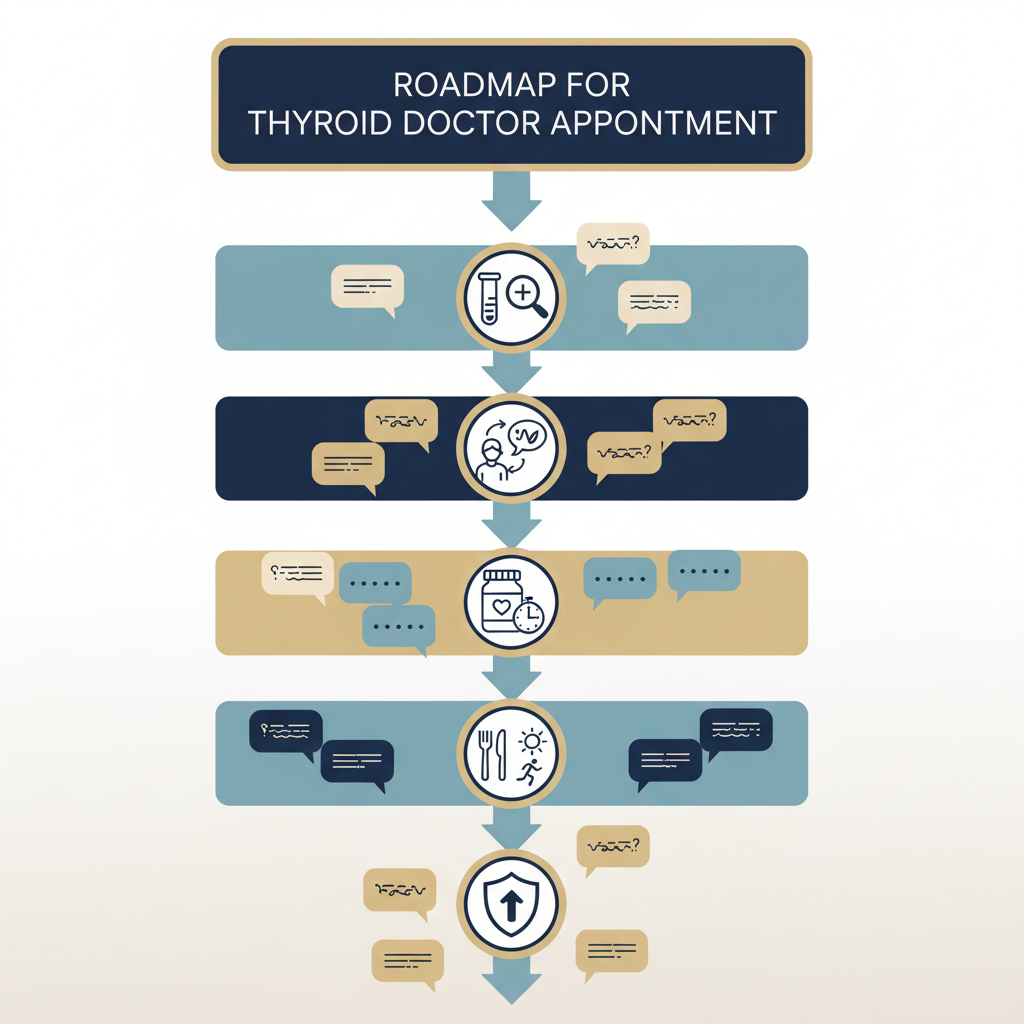
Pre-Appointment Checklist: Preparing for Your Visit
Good preparation starts days before the actual appointment. It is very helpful to keep a "symptom diary" where you record energy levels, mood, sleep quality, and any changes in weight or hair. This data is a treasure for the specialist because it provides a clearer picture than a general description like "I feel tired." When writing your list of Thyroid Appointment Questions, start with the symptoms that bother you most and prioritize them.
It is also essential to bring a list of all medications and supplements you are taking. Many supplements, such as biotin, can interfere with thyroid test results and lead to false readings. Informing your doctor of these details is part of practicing your health literacy. Also, make sure to have paper or electronic copies of your previous test results for comparison; trends in results are often more important than a single isolated result.
In our daily lives, we might forget the impact of dietary habits or family stress on our health. Try to be honest with yourself and your doctor about your lifestyle. Do you find it difficult to stick to a morning medication schedule? Are you

Explore health education
Review the educational guides and practical tools related to this topic.
Explore the education hub