Building a Consistent Bedtime Routine: The Ultimate Guide to Restorative Sleep and Daily Energy
Author: Feras Alayed
Published:
Updated:
Category: sleep-energy
Reading Time: 8 minutes
- Consistency is the primary signal for your internal biological clock.
- Blood sugar stability is crucial for preventing middle-of-the-night awakenings.
- Environmental factors like light and temperature directly impact melatonin production.
- A 90-minute wind-down period is essential for transitioning to deep sleep.
The Science of Routine and Circadian Rhythms
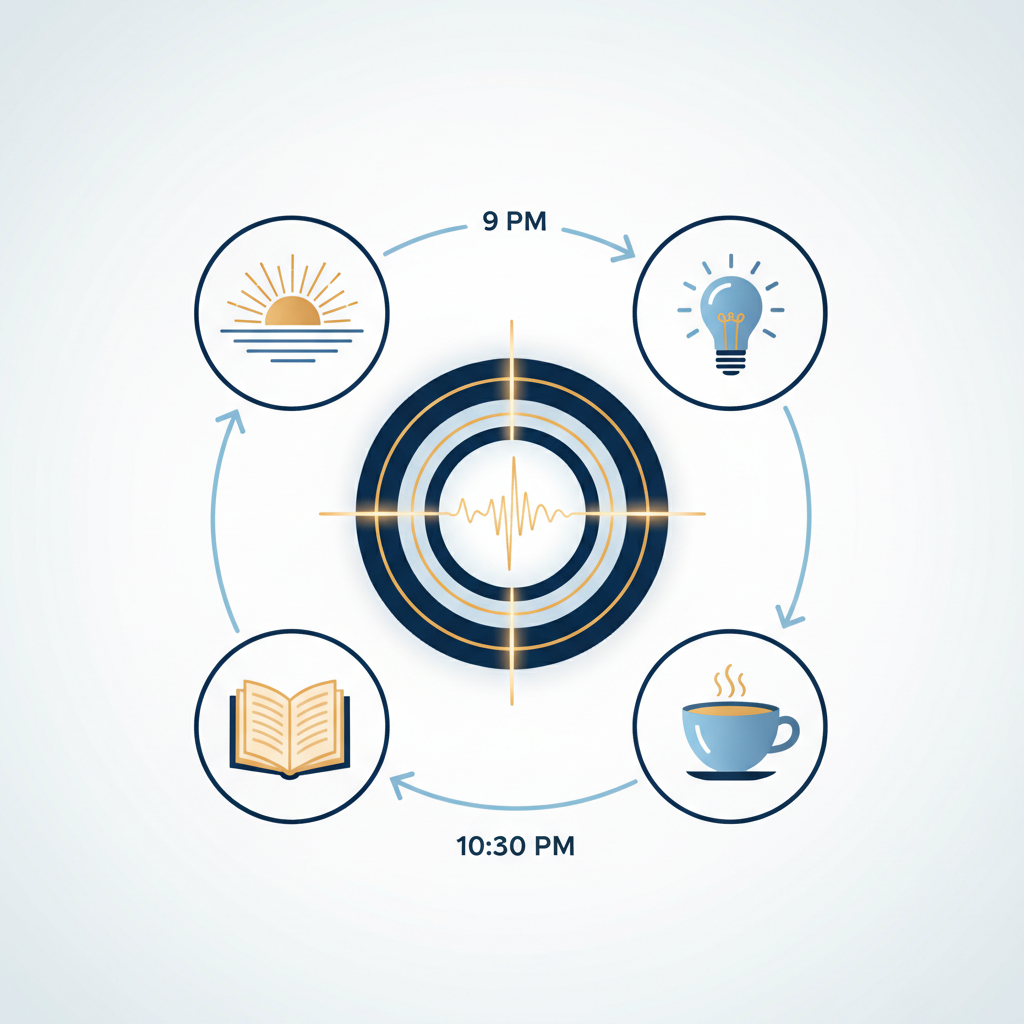
When we discuss building a consistent bedtime routine, we are essentially talking about managing the circadian rhythm. This complex internal system, governed by the Suprachiasmatic Nucleus (SCN) in the brain, regulates cycles of alertness and sleep based on light and dark signals. When you commit to a specific routine, you send clear signals to your brain that it is time for rest. The body begins to lower cortisol levels (the stress hormone) and raise melatonin levels (the sleep hormone). Without this routine, the body remains in a state of high alert, leading to difficulty entering deep sleep stages. Understanding circadian rhythm terms helps you realize that sleep is not a switch we simply flip, but a gradual process requiring physiological preparation. Sticking to a consistent wake-up time, even on weekends, is the most powerful tool for setting this clock. You can refer to the Sleep & Energy Pillar Page to learn more about how these cycles affect your daily activity. Fluctuations in sleep schedules lead to 'social jetlag,' where the body feels as if it has traveled across time zones, causing persistent fatigue and brain fog.
Optimizing Your Sleep Environment
Building a consistent bedtime routine cannot be separated from the environment in which you sleep. The room should be a 'cave' for sleep: dark, cool, and quiet. Lighting is the most influential factor; exposure to bright light in the evening immediately suppresses melatonin production. Using warm, dim lighting in the hours leading up to sleep is highly recommended. Temperature also plays a crucial role, as the body needs to lower its core temperature by about one degree Celsius to initiate sleep. Therefore, keeping the room cool helps accelerate this process. White noise or earplugs may be necessary for those living in noisy areas. Setting up this environment as part of your daily routine—such as closing curtains and adjusting the thermostat—acts as a psychological and physical cue to begin the relaxation process. Remember, your bed should be reserved for sleep only, to strengthen the conditioned association in your brain between the bed and rest.
Nutrition and Blood Sugar Stability
Many people overlook the link between what we eat and our sleep quality. Building a consistent bedtime routine involves monitoring the timing and quality of evening meals. Consuming heavy or sugar-rich meals right before bed can cause a sudden spike in blood sugar, followed by a sharp drop, which may lead to waking up in the middle of the night feeling anxious or hungry. It is vital to understand Why Do You Wake Up at Night? The Secret of Blood Sugar Stability for Deep Sleep, as maintaining balanced energy levels prevents the body from releasing adrenaline and cortisol at night to correct low sugar. Ideally, the last meal should be 2-3 hours before bed, containing protein, healthy fats, and fiber rather than simple carbohydrates. Caffeine should also be approached with caution, as its effects last for several hours; it is best to stop consumption after noon to ensure it doesn't interfere with adenosine receptors in the brain.
Digital Detox and Mental Wind-down
In the modern era, blue light from screens is the biggest enemy of building a consistent bedtime routine. This light tricks the brain into thinking it is still daylight, delaying melatonin release. A successful routine requires a 'digital curfew' starting an hour before bed. Instead of scrolling through social media, replace it with reading a physical book or listening to a calming podcast. Mental stillness is equally important; offloading thoughts and worries onto paper (a brain dump) helps reduce nocturnal anxiety. When you put your phone away, you give your nervous system a chance to transition from 'fight or flight' to 'rest and digest.' This shift is essential for reaching the sleep stages where tissue repair and memory consolidation occur.
Physical Relaxation Techniques
Incorporating physical relaxation techniques into your evening routine can be a game-changer. Deep breathing exercises, such as the 4-7-8 technique, activate the vagus nerve and send immediate calming signals to the body. Taking a warm bath or shower an hour before bed is also effective; not only for relaxation, but because moving from warm water to a cooler room environment helps drop your core temperature, triggering sleepiness. Light stretching or gentle yoga can release accumulated physical tension. The goal here is to gradually decrease physical activity, staying away from vigorous exercise that might raise body temperature and energy levels at an inappropriate time.
Maintaining Consistency During Weekends and Travel
The biggest challenge in building a consistent bedtime routine is maintaining it during weekends or while traveling. Many tend to stay up late and sleep in, which confuses the biological clock and makes Monday mornings incredibly difficult. Consistency means trying to stick to your sleep and wake times within a 30-60 minute margin of your usual schedule. If you have a social commitment, try to return to your routine as soon as possible. For travelers, exposure to early morning sunlight at the new destination helps reset the circadian rhythm quickly. Remember that the body loves predictability; the more predictable your routine, the more efficient your sleep will be.
Common Bedtime Routine Mistakes
Several mistakes can undermine your efforts in building a consistent bedtime routine: 1. Long or late afternoon naps that consume accumulated 'sleep pressure.' 2. Using alcohol as a sleep aid, while it actually destroys deep sleep quality. 3. Working from bed, which makes the brain associate the place of rest with stress and productivity. 4. Constantly checking the clock when waking up at night, which increases anxiety. 5. Changing the routine drastically and suddenly; changes should be gradual, at a rate of 15 minutes every two days. 6. Ignoring bright household lighting in the evening. Avoiding these pitfalls will make your transition to sleep much smoother and more effective.
Tracking Progress with a Sleep Diary
To improve any habit, you must measure it. Using a 'sleep diary guide' helps you discover patterns you might not otherwise notice. Record your bedtime, wake time, number of nighttime awakenings, and what you ate or did before bed. After two weeks, you will be able to see the clear correlation between your routine adherence and your energy levels the next day. Did you feel tired after a day you didn't stick to your digital detox? Was your sleep better when you maintained blood sugar stability? This data empowers you to make informed adjustments and also helps if you decide to consult a professional, as you will have accurate information to discuss during fatigue appointment questions.
Frequently Asked Questions about Bedtime Routines
- How long does it take to build a new sleep routine? It typically takes 21 to 60 days for a routine to become automatic.
- Can I catch up on sleep over the weekend? No, sleep cannot be 'stored' or fully 'made up,' and oversleeping disrupts your biological clock.
- What should I do if I can't sleep after 20 minutes? Get out of bed, do a quiet activity in dim light, and return when you feel sleepy.
- Do supplements replace a routine? No, supplements may help temporarily but do not address underlying habit issues.
- Is reading from a tablet okay? A physical book is preferred, but if you must use a tablet, use 'blue light filter' mode and lower the brightness.
- How does a late dinner affect sleep? It raises body temperature and engages the digestive system, preventing deep sleep.
- Is evening exercise harmful? Intense workouts within 3 hours of bed may raise cortisol and delay sleep.
- What is the best time for sun exposure? Early morning (within the first 30 minutes of waking) to set the circadian rhythm.
- How do I handle a partner with a different routine? Try to find compromises in lighting and use headphones if needed.
- Does lavender scent really help? Yes, certain scents act as a neural signal for relaxation as part of a routine.

Explore health education
Review the educational guides and practical tools related to this topic.
Explore the education hub