D2B System: Enhancing Follow-up and Customer Service Excellence
Author: Feras Alayed
Published:
Category: business-opportunity
Reading Time: 8 minutes
- D2B systems prioritize direct communication, reducing friction between the service provider and the end user.
- Systematic follow-up is the cornerstone of retention, moving beyond transactional interactions to relationship building.
- Professional ethics and transparency are mandatory for maintaining trust in a direct-to-buyer model.
- Success in this framework requires specific soft skills, including active listening, empathy, and organizational discipline.
- Partnership suitability depends on a commitment to continuous learning and high standards of customer care.
Introduction: The Shift Toward Direct Service Models
In a rapidly evolving professional landscape, the question is no longer just about what you provide, but how you sustain the relationship after the initial contact. Transitioning to a D2B (Direct-to-Buyer) framework requires a fundamental shift in mindset. It asks: Are you prepared to manage the full lifecycle of a customer relationship without the buffer of traditional intermediaries? The D2B system and follow-up strategies are not merely tools; they are the infrastructure of professional reliability.
Effective customer service in this model is built on the pillars of role clarity and responsibility. Whether you are exploring a new career path or refining your current business practices, understanding the mechanics of direct interaction is essential. This guide provides a comprehensive look at how the D2B system optimizes follow-up, the skills required to excel, and how this integrates into a professional partnership path.
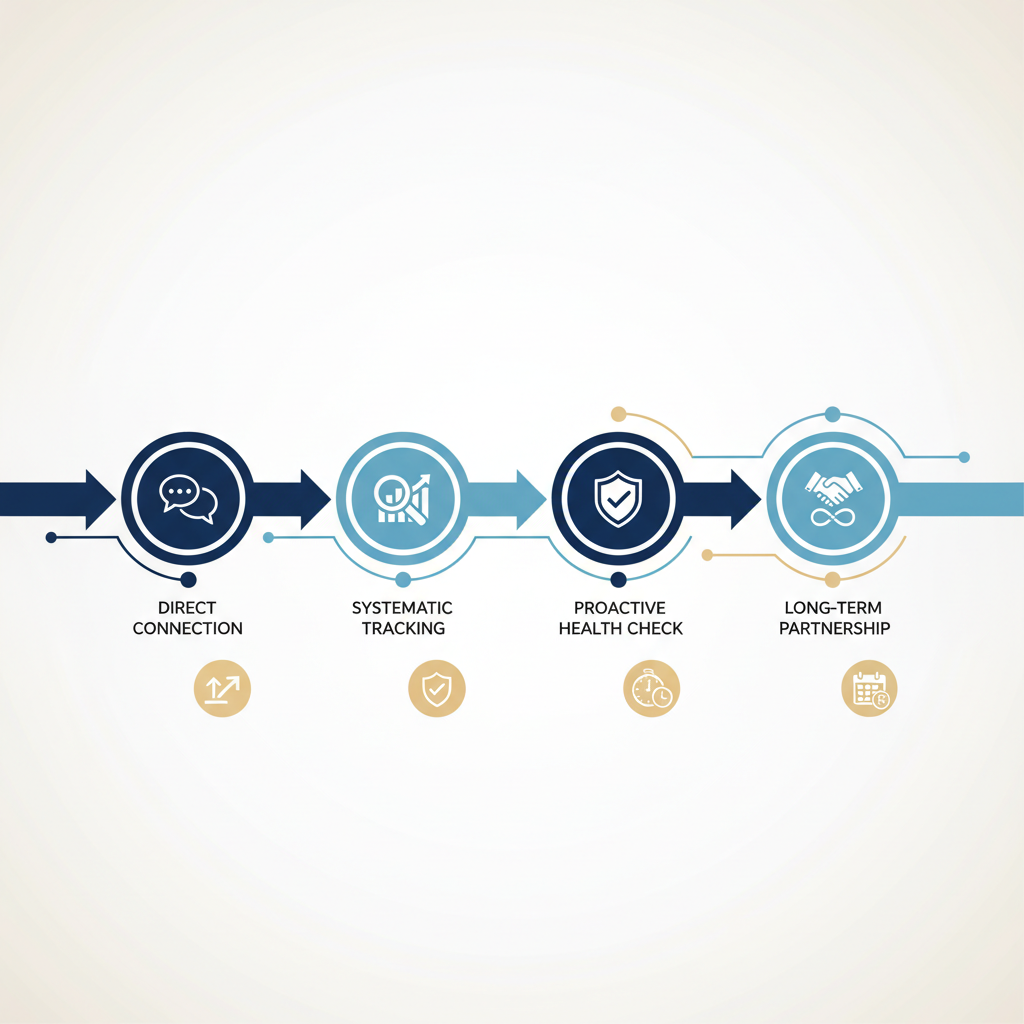
Understanding the D2B System and Follow-up Integration
The D2B system is designed to remove the layers that often separate a solution from the person who needs it. By establishing a direct line, the service provider takes full responsibility for the customer experience. This is where 'نظام D2B والمتابعة' (D2B system and follow-up) becomes a critical competitive advantage.
1. The Anatomy of Systematic Follow-up
Follow-up is not an afterthought; it is a scheduled, intentional process. In a D2B environment, follow-up serves several purposes:
- Verification of satisfaction with the initial service or product.
- Identification of emerging needs that were not apparent during the first interaction.
- Reinforcement of the professional relationship through consistent touchpoints.
- Gathering feedback to improve future service delivery.
2. Personalization vs. Automation
While technology facilitates the D2B system, the human element remains paramount. A common mistake is over-automating the follow-up process. True D2B excellence involves using data to personalize interactions. For example, referencing a specific concern mentioned in a previous conversation demonstrates active listening and builds significant trust. This level of care is often discussed in contexts like building family health literacy, where understanding specific needs is vital for effective support.
The Core Skills for D2B Excellence
Operating within a D2B framework demands a specific set of competencies. It is not enough to understand the product; one must master the art of service. These skills are often refined during the initial 30/60/90-day learning phase of a professional partnership.
Active Listening and Empathy
In a direct model, you are the primary point of contact. If a customer feels unheard, the relationship suffers immediately. Active listening involves hearing not just the words, but the intent and emotion behind them. This is particularly important when managing complex schedules or personal goals, similar to the discipline required in a meal timing journal approach, where consistency and attention to detail are key.
Organizational Discipline
Managing multiple direct relationships requires rigorous organization. A D2B professional must track conversation histories, follow-up dates, and specific customer preferences. Without a structured system, details are lost, and the 'direct' advantage becomes a liability. Utilizing tools like a food and mood journal format can actually teach one the basics of tracking and reflection that are transferable to professional CRM management.
Comparison: Traditional vs. D2B Follow-up Models
| Feature | Traditional Model | D2B System |
|---|---|---|
| Communication Path | Indirect (via multiple departments) | Direct (Provider to Buyer) |
| Follow-up Speed | Often delayed by internal bureaucracy | Immediate and responsive |
| Personalization | Generic/Template-based | High (Data-driven and personal) |
| Accountability | Shared/Diffused | Individual/Clear Responsibility |
| Customer Feedback | Filtered through layers | Direct and actionable |
Ethical Service and Professional Responsibility
The D2B system places a heavy emphasis on ethical conduct. Because the relationship is direct, there is nowhere to hide behind corporate policies or third-party errors. Transparency regarding service limitations, pricing, and expectations is the only way to sustain a long-term partnership. This aligns with the principles of ethical content creator partnerships, where clarity and honesty form the foundation of the collaboration.
Setting Realistic Expectations
A professional in the D2B space must resist the urge to over-promise. Ethical service means being honest about what a system can and cannot do. This honesty builds more loyalty than a thousand empty promises. It is about providing a service that is as reliable as a comprehensive sleep journal—providing data and insights that lead to genuine improvement rather than quick fixes.
How This Connects to the Partnership Path
For those considering a partnership, the D2B system represents a path of qualification and skill discovery. It is not a 'get rich' scheme; it is a professional framework that requires dedication and a service-oriented mindset. The partnership path focuses on training individuals to master these direct-to-buyer interactions.
The 30/60/90-Day Learning Journey
- Day 1-30: Focus on understanding the D2B infrastructure, learning the ethical guidelines, and mastering the basic communication tools.
- Day 31-60: Implementation of follow-up protocols and beginning to manage direct relationships under mentorship.
- Day 61-90: Refining skills based on feedback, improving organizational efficiency, and demonstrating independent service excellence.
This path is suitable for those who value flexible work responsibilities but understand that flexibility comes with the price of high personal accountability. It is about building a professional reputation through consistent, high-quality service.
Practical Application: The Follow-up Checklist
- Immediate Acknowledgment: Respond to inquiries within a professional timeframe (usually 24 hours).
- Value-Add Follow-up: Don't just check in; provide a resource or insight relevant to the customer's needs.
- Feedback Loop: Ask specific questions about the customer's experience to identify areas for improvement.
- Documentation: Record all interactions to ensure continuity in future conversations.
- Consistency: Maintain a regular schedule of contact that respects the customer's time while showing ongoing support.
People Also Ask
What is the main advantage of a D2B system?
The primary advantage is the elimination of intermediaries, which allows for faster communication, higher personalization, and clearer accountability between the service provider and the buyer.
How does the D2B system improve customer retention?
By implementing structured follow-up protocols, the D2B system ensures that customers feel supported throughout their journey, reducing the likelihood of churn due to neglect or unresolved issues.
Is the D2B system suitable for everyone?
No. It requires high levels of self-discipline, organizational skills, and a genuine commitment to customer service. It is best suited for individuals who enjoy building direct relationships and taking ownership of their professional outcomes.

What role does technology play in D2B follow-up?
Technology acts as an enabler, providing CRM tools and communication platforms that help the professional stay organized. However, the effectiveness of the system depends on the human's ability to use these tools ethically and personally.
How can I start learning about the D2B partnership path?
The first step is to engage in a suitability assessment to see if your skills and values align with the demands of direct-to-buyer service and professional partnership standards.
FAQ
Does the D2B system guarantee a specific income?
No. Financial outcomes in any professional partnership depend on individual effort, skill mastery, consistency, market conditions, and adherence to official policies. There are no guarantees of earnings.
What is the time commitment for the D2B partnership?
While the path offers flexibility, mastering the D2B system and maintaining high service standards requires a consistent time investment. The 30/60/90-day plan is a standard framework for initial skill acquisition.
Do I need prior experience in customer service?
While prior experience is helpful, the partnership path provides the necessary training and support to develop these skills. A willingness to learn and a people-first attitude are the most important prerequisites.
How do I handle difficult customers in a D2B model?
The D2B system emphasizes professional conflict resolution and empathy. Training includes strategies for addressing concerns transparently and maintaining ethical standards even in challenging situations.
Where can I find the official policies for the partnership?
Official programme policies and eligibility requirements must be verified through a human representative or the official partnership-fit portal before any formal engagement.
Disclaimer: This article is for educational and informational purposes only. It does not constitute financial, legal, or health advice. All partnership outcomes depend on individual effort and adherence to official programme policies. Independent verification of all claims and policies is required. We do not make promises regarding income, wealth, or specific health results. The partnership path is a professional qualification process focused on service and skill development.
Further Education
- Explore the metabolic health education hub
- Learn how to read research summaries
- Use the educational health assessment
Evaluate the path with clarity
Use the decision guide to review eligibility, responsibilities, policies, and questions that require confirmation from official programme sources. No financial outcome is promised.