Effective Health Literacy Guide for Saudi Eastern Province Residents
Author: Feras Alayed
Published:
Updated:
Category: eastern-province-health-literacy
Reading Time: 11 minutes
Health Literacy Guide for Eastern Province Readers
1. Introduction: The Concept of Health Literacy and Its Importance in Saudi Society
Health literacy is the cornerstone of building a vibrant and sustainable society, especially in the Eastern Province, which is witnessing major developmental transformations. Health literacy is not merely the ability to read and write; it is a deeper concept that encompasses the ability to obtain, understand, evaluate, and apply health information to make informed decisions that affect quality of life. In the context of Saudi society, we are moving today from a traditional healthcare model based on passive reception to an active participation model where the individual becomes a key partner in managing their wellness. Health literacy empowers residents of the region to navigate the complex health system with understanding and awareness, reducing the knowledge gap between the health practitioner and the beneficiary. When an individual possesses high health literacy, they become more capable of understanding medical instructions, adhering to treatment plans, and dealing with daily health challenges with resilience. The importance of this awareness goes beyond the individual level to the community level; a health-literate community is less susceptible to the spread of medical rumors and more capable of adopting preventive lifestyles that reduce pressure on health facilities. At ATHAR Center, we believe that knowledge is the primary tool for empowerment, contributing to the transformation of theoretical information into applied behaviors that enhance general well-being. This transformation requires continuous effort in self-learning and searching for reliable sources, which is what we seek to establish in this comprehensive guide directed at the people of the Eastern Province, to be an educational reference that helps them in their journey towards a deeper understanding of integrated health.
2. Decoding Common Health Terms in Local Clinics
Patients in Eastern Province clinics often encounter medical terms that may seem complex or ambiguous, which can lead to a misunderstanding of their health status. Understanding these terms is the first step toward an effective dialogue with a physician. For example, the term Metabolism refers to all the chemical processes that occur within the body to convert food into energy; understanding this term helps in grasping how the body reacts to nutrition and physical activity. Another common term is Body Mass Index (BMI), which is a rough measurement tool for the relationship between weight and height, used as an initial indicator to assess body composition rather than a sole measure of health. The term Triglycerides is also frequently mentioned; these are a type of fat found in the blood, and understanding their nature helps in realizing the importance of balanced energy intake. It is also essential to distinguish between Acute conditions that appear suddenly and last for a short time, and Chronic conditions that require long-term management. When a doctor speaks about Resistance, whether to insulin or antibiotics, they are referring to the decreased response of the body or bacteria to a specific effect, necessitating different management strategies. Familiarity with terms like Reference Ranges in laboratory results helps the patient understand that numbers are always read within a comprehensive clinical context rather than as isolated figures. This section aims to simplify these concepts and strip them of academic complexity to become cognitive tools in the patient's hand, making it easier for them to monitor their health status accurately and confidently, and reducing anxiety resulting from the lack of clarity of technical terms used in medical reports.
3. A Guide to Reading Food Labels and Consumer Products in Saudi Markets
Markets in the Eastern Province are rich in diverse products, making the skill of reading food labels an indispensable necessity for choosing what is best for health. Understanding a label begins by looking at the Serving Size, as all the nutritional information mentioned in the table is based on this size, not on the entire package. Great attention should be paid to Calories and their source, focusing on the quality of ingredients. One of the vital elements to monitor is Dietary Fiber, which plays an important role in supporting digestion and the feeling of fullness; it is always preferable to choose products that contain a higher percentage of it. Conversely, one should be cautious of Added Sugar, which may hide under multiple names such as maltodextrin, corn syrup, or sucrose. It is also necessary to distinguish between Saturated Fats and Trans Fats, as global health guidelines recommend limiting trans fats as much as possible. Sodium (salt) is another element that requires monitoring, especially in canned and processed foods. When reading the ingredients list, remember that they are arranged in descending order by weight; the first ingredient is the one most present in the product. Understanding these details enables the consumer to compare different products and choose what aligns with their personal health goals. Do not be deceived by flashy marketing claims on the front of the package like "natural" or "organic" without checking the nutrition facts table on the back. The goal of this awareness is to transform the shopping process from a mere random purchase into a conscious selection process that contributes to building a sustainable healthy lifestyle, away from misleading advertising influences.
4. Habit Journaling Methodology: How to Build a Precise Health Diary?
A health diary is one of the most powerful tools for achieving self-awareness and understanding the body's responses to various influences. To build an accurate diary, recording should not be limited to what we eat but should include a broader context. Start by recording Meal Times and their quality, noting hunger and fullness levels before and after eating. Journaling should also include Energy Levels throughout the day; do you feel lethargic after a certain meal? Does your energy increase at a specific time? These observations provide important indicators of individual metabolic processes. Sleep Quality and the number of hours should also be recorded, as late nights or interrupted sleep directly affect food choices and mood the following day. Physical Activity is another fundamental pillar; record the type of exercise, its duration, and how you felt afterward. Do not forget to note your Psychological and Mood State, as stress and strain have tangible physiological effects. Using a paper notebook or a digital application helps in spotting Patterns that you might not notice daily, such as the link between headaches and a certain type of food or lack of water intake. The goal of this methodology is not an obsession with numbers, but building a personal database that helps you and your healthcare provider understand your condition more deeply. When you go to your medical appointment with an accurate record of your habits, you provide the doctor with a clear picture that helps them offer customized and effective advice. Consistency is the key; journaling for a full week gives much better results than intermittent recording, contributing to transforming health awareness from just an idea into a tangible daily practice.
5. Preparing for the Medical Appointment: Crafting Essential Questions for the Provider
The time you spend with a doctor is a precious opportunity that must be invested to the maximum extent possible. Preparing for the appointment begins before entering the clinic by preparing a list of essential questions that ensure you leave with a full understanding of your condition. Instead of just listening, be proactive in asking. Start by inquiring about the Diagnosis: "What is the likely explanation for these symptoms?" and "Are there other diagnostic options?". When any procedure or plan is described, ask about the Benefits and Risks: "What are the expected results of this procedure?" and "What are the potential side effects?". It is also important to ask about available Alternatives, whether they are lifestyle changes or other options. Do not hesitate to ask for clarification of terms you did not understand; it is your right as a patient to understand everything related to your health in simple language. A core question is: "What will happen if I choose to wait and not start this procedure now?". If supplements or dietary changes are prescribed, ask about Timing and How: "When should I expect to see improvement?" and "How will this affect my daily routine?". Writing these questions in advance prevents forgetting under the pressure of time or stress inside the clinic. It is also recommended to write down the doctor's answers or request a written summary of the appointment. This active interaction transforms the relationship between the patient and the doctor from a directive relationship to a participatory one, enhancing the patient's confidence in the followed plan and increasing the likelihood of achieving the desired health goals. Remember that the doctor appreciates a conscious patient who seeks to understand their condition, as this facilitates the task of treatment and follow-up.
6. Digital Health Content Evaluation Skills: Distinguishing Reliable Sources from Rumors
In the era of information explosion, it has become easy to access health information, but the challenge lies in its accuracy. Residents of the Eastern Province, like others, are exposed to a massive flow of health advice via social media, and here the importance of critical evaluation skills emerges. First, the Source of Information must be verified; is it issued by an official body like the Ministry of Health, international health organizations, or reputable research centers? Information shared by non-specialists, even if with good intentions, may be misleading or inaccurate. Second, look for Scientific Evidence; does the information rely on controlled clinical studies or on personal experiences and individual stories? Personal experiences cannot be generalized as health rules. Third, ensure the Timeliness of Information; medical research evolves rapidly, and information that was considered correct years ago may have been updated or changed now. Fourth, beware of Sensational Headlines and promises of quick or magical results, as real health changes often require time, effort, and balance. Fifth, check for Conflicts of Interest; is the person giving the advice trying to sell a specific product? Digital awareness requires healthy skepticism and not resharing any information before verifying its authenticity from multiple and reliable sources. Using websites that end in domains like (.gov), (.edu), or (.org) belonging to major health organizations provides an additional layer of informational security. Protecting your mind from health rumors is no less important than protecting your body from diseases, as wrong information may lead to behaviors harmful to your health.
7. Conclusion: The Role of Cognitive Awareness in Improving Patient-Doctor Dialogue
In concluding this guide, it is clear that health literacy is not just a cognitive luxury, but a vital necessity for improving the quality of healthcare in our region. When a patient possesses the necessary cognitive tools to understand their body, decode medical terms, read food labels, and evaluate digital information, they contribute directly to raising the efficiency of the health system. The quality of dialogue between the patient and the doctor improves significantly when both parties are on a common ground of understanding; the doctor stops being the sole source of information to become a guide and consultant in a journey led by a conscious patient. This awareness reduces misunderstandings, increases adherence to health plans, and ultimately leads to better health outcomes. We at ATHAR Center encourage every individual in the Eastern Province to continue learning, searching, and questioning. Health is not a static state, but a continuous process of conscious choices based on accurate knowledge. Investing time in educating oneself health-wise is the best investment for the future, as it reflects on the individual, their family, and their community. We hope this guide is a practical step toward empowering you to make better health decisions and toward building a society that enjoys the highest levels of awareness and well-being. Always remember that you are the primary person responsible for your health, and that knowledge is the most powerful weapon you possess in this journey.
Educational Note: This guide is for educational purposes only and does not replace specialized medical consultation. It is always recommended to consult a physician before making any significant changes to your health pattern.
Daily Health Awareness Checklist
| Field | Required Action | Goal |
|---|---|---|
| Nutrition | Read the Nutrition Facts table | Avoid added sugars and trans fats |
| Clinic | Prepare 3 core questions for the doctor | Ensure clear understanding of the treatment plan |
| Journaling | Record energy levels and sleep | Discover the body's biological patterns |
| Information | Verify the source of health news | Avoid following digital rumors |

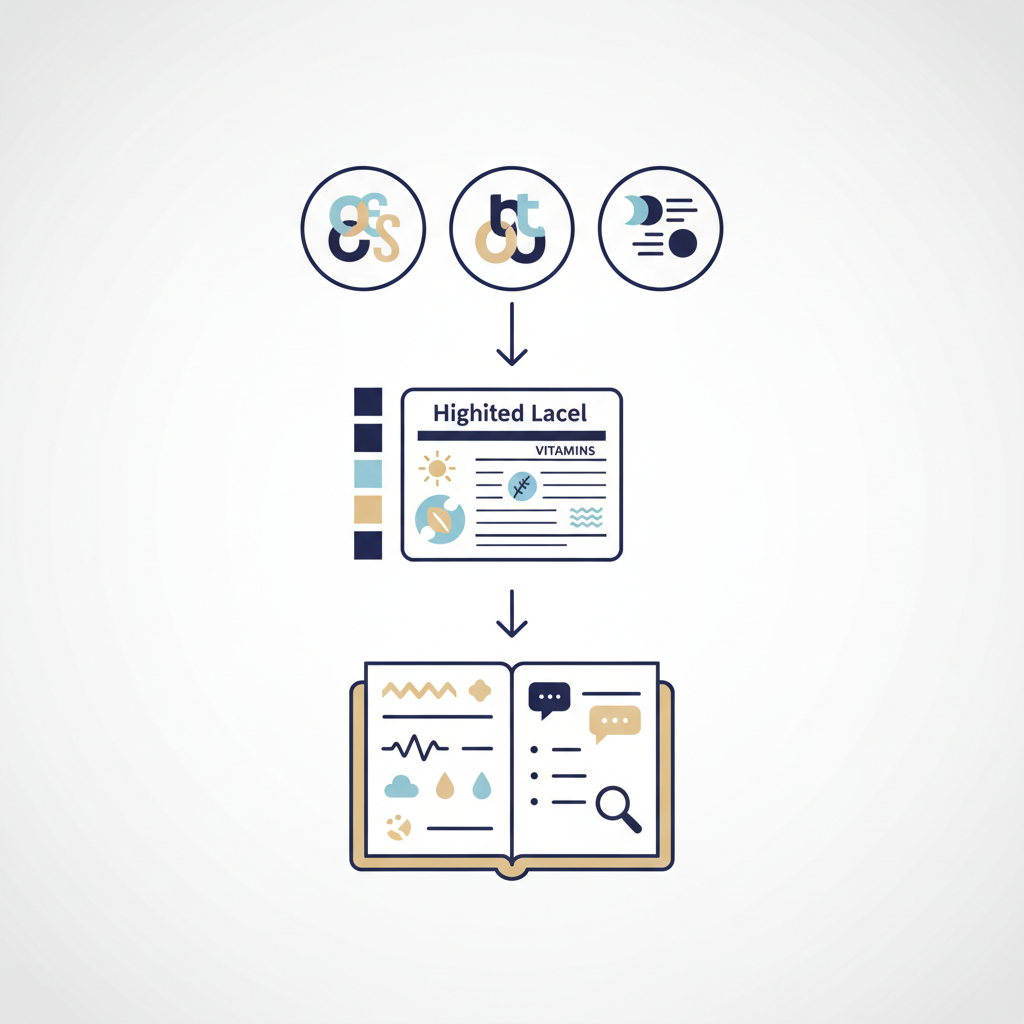
Explore health education step by step
Use the educational guides and practical tools to choose your next learning step.