Health Literacy Guide for Al-Ahsa: Evaluating Medical Information
Author: Feras Alayed
Published:
Category: al-ahsa-health-literacy
Reading Time: 8 minutes
Health Literacy Guide for Al-Ahsa Readers: Skills for Evaluating Medical Information
Health literacy is the cornerstone of building a conscious community capable of facing contemporary health challenges. In the heart of the Eastern Province, specifically in the Al-Ahsa oasis, rich in its heritage and history, the concept of health literacy emerges not just as medical knowledge, but as an empowerment tool that enables individuals to make informed decisions affecting their quality of life and that of their families. Moving from a passive recipient of information to an active participant in healthcare requires a deep understanding of how to obtain, evaluate, and apply information in a daily context. This guide, provided by the ATHAR Center, aims to equip readers in Al-Ahsa with the cognitive tools necessary to navigate the complex world of health information, focusing on the cultural and environmental specificities of the region.
The Importance of Health Literacy in the Al-Ahsa Community
Al-Ahsa is characterized by a lifestyle that combines authenticity and modernity, and this blend imposes unique health challenges and opportunities. Health literacy means the ability to obtain, understand, and process basic health information, and then use it to make appropriate health decisions. For the residents of Al-Ahsa, enhancing this culture contributes to improving communication with health practitioners, accurately understanding medication instructions, and comprehending the importance of periodic check-ups. Health awareness is not limited to knowing diseases; it extends to understanding the environmental and nutritional factors surrounding us and how they affect vital body functions. When an individual possesses high health literacy, they become less susceptible to misinformation and more capable of managing their daily habits with a solid scientific conscience.
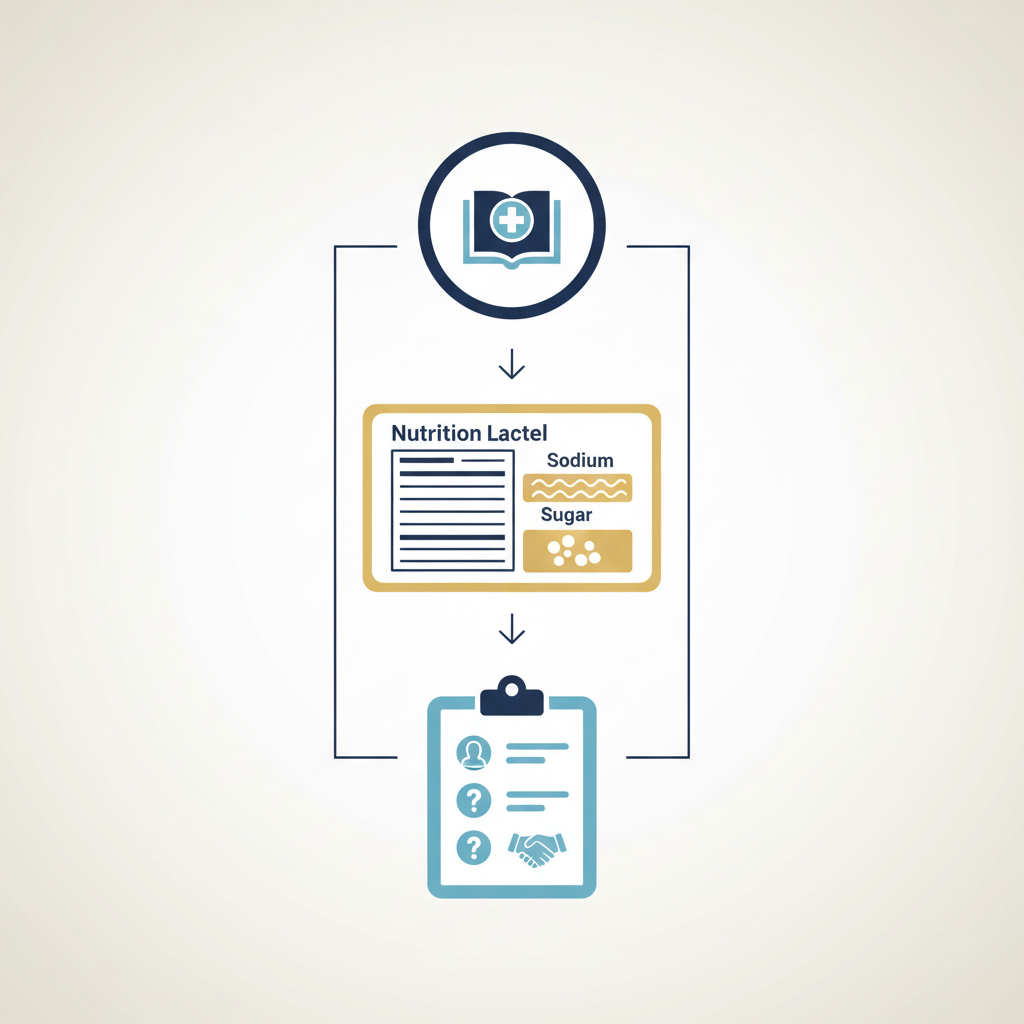
Decoding Common Medical Terms to Enhance Understanding
Patients in medical clinics often feel confused when hearing complex technical terms. Decoding these terms is the first step toward effective dialogue with the medical team. Medical terminology is not just difficult words; it is a precise language that describes the body's condition and functions. For example, the term "Metabolism" refers to the chemical processes that occur within the body to convert food into energy. Understanding this term helps an individual comprehend how physical activity and food quality affect calorie burning. Similarly, the term "Resistance" in a biological context refers to a decrease in cell response to certain signals, requiring specific lifestyle strategies to restore balance.
Understanding the Linguistic Roots of Terms
Most medical terms are based on Latin or Greek roots, and knowing some of these roots can significantly facilitate understanding. For instance, any word ending in "-itis" means inflammation in the mentioned organ, such as arthritis. Words ending in "-osis" usually indicate an abnormal condition or process. In the context of laboratory tests, we find terms like "Triglycerides" and "LDL/HDL Cholesterol"; understanding the difference between these types helps in reading test results initially before discussing them with a doctor. The goal of learning these terms is not self-diagnosis, but to enable the patient to ask more accurate questions and deeply understand the proposed treatment plan. Scientific literacy starts with vocabulary.
The Art of Reading Food Labels and Products in Local Markets
Markets in Al-Ahsa are a vibrant destination for food shopping, and with the diversity of imported and local products, the skill of reading food labels becomes an indispensable necessity. A food label is the "ID card" of the product, telling us a lot about what we put into our bodies. One should always start by looking at the Serving Size; the information mentioned in the table often pertains to one serving, not the entire package. Many consumers fall into the trap of consuming the whole package, thinking the listed calories are for the entire product, while the package may contain two or three servings.
Analyzing Ingredients and Nutritional Values
When reading the ingredients list, it is important to know that ingredients are listed in descending order by weight; meaning the first ingredient is present in the largest quantity. It is very important to pay attention to "Added Sugars," which differ from natural sugars found in fruits or milk. Also, the amount of dietary fiber should be monitored, as fiber plays a pivotal role in promoting digestive health and satiety. In our community, where traditional rich dishes are common, understanding food labels for supplementary products helps in balancing daily meals.
Educational Tip: Always look for the Percent Daily Value (%DV); if it is 5% or less, it is considered low, and if it is 20% or more, it is considered high for that nutrient.
Tracking Daily Habits: How to Create an Effective Monitoring Log
Health tracking is one of the most powerful tools for achieving self-awareness. Monitoring what we eat, how we sleep, and our physical activity level provides objective data away from personal estimates that may be inaccurate. Creating an effective tracking log does not require complexity; one can start with a simple notebook or a digital application to record daily observations. The goal is to monitor behavioral patterns and their impact on physical and mental states. For example, recording sleep hours and quality may reveal a direct relationship between lack of sleep and increased cravings for sugars the next day.
Elements of a Successful Health Log
An effective health log should include several basic elements:
- Physical Activity: Type and duration (e.g., walking at King Abdullah Track in Al-Ahsa for 30 minutes).
- Hydration: Amount of water consumed throughout the day.
- Mood and Energy Levels: A simple assessment of energy upon waking and mid-day.
- Meals: Not just the type of food, but also its timing.
Preparing for Medical Appointments: Essential Questions to Ask Specialists
Often, a medical appointment ends, and the patient feels they forgot to ask important questions or did not fully understand the treatment plan. Prior preparation is the key to maximizing the benefit of the visit time. It is recommended to write a list of questions before going to the clinic and arrange them by importance. Do not hesitate to ask for clarification on any information that seems vague, as the health practitioner is your partner in the health journey, and it is their right and duty to provide you with sufficient information in simplified language.
Suggested Question List for Patients
When discussing any health plan or lifestyle change, the following questions can be used:
| Area | Suggested Question |
|---|---|
| Diagnosis | What is the scientific explanation for these symptoms? |
| Options | What are the available alternatives to this treatment plan? |
| Follow-up | How can I monitor my progress at home? |
| Lifestyle | How will this change affect my daily activity? |
Evaluating Digital Health Information: Distinguishing Between Facts and Claims
In the age of information explosion, accessing health information has become very easy through social media platforms and search engines, but the challenge lies in the quality and credibility of this information. The digital space suffers from the spread of "misinformation" that may appear scientific on the surface but lacks empirical evidence. To evaluate any digital health information, a critical approach must be followed that questions the source of the information, its publication date, and the supporting entities. Information that promises magical and fast results is often far from the scientific reality characterized by gradualism and logic.
Criteria for Reliability of Digital Sources
There are several golden rules for distinguishing between fact and claim: First, look for official sources such as government health websites or recognized international organizations. Second, ensure that the information is based on controlled clinical studies and not just on personal experiences or individual stories. Third, pay attention to the language used; reliable sources use balanced language and mention both benefits and risks, while promotional sources focus only on positive aspects exaggeratedly. In the Al-Ahsa community, where news travels fast through family groups, we must be conscious "gatekeepers," not sharing any medical advice before verifying its scientific source, protecting ourselves and our community from wrong practices.
Conclusion: Toward Building a Health-Literate Community in the Eastern Province
The journey of health awareness does not end with reading an article or attending a seminar; it is a continuous process of learning and application. The residents of Al-Ahsa, with their social awareness and close-knit bonds, are qualified to be a role model in health literacy. Adopting the skills reviewed in this guide—from understanding terminology and reading labels to logging and critical evaluation of information—represents a real investment in the region's human capital. We at the ATHAR Center believe that knowledge is the first line of defense for health, and a health-literate individual is best able to lead positive change in their surroundings.
Daily Health Literacy Checklist
- Have you reviewed the nutritional ingredients of your daily products?
- Did you record your physical activity levels today?
- Did you verify the source of the health information you read on social media?
- Have you prepared your list of questions for your next medical appointment?
In conclusion, let us work together to turn these skills into ingrained daily habits. Health is not just the absence of disease, but a state of physical, mental, and social integration, and health literacy is the bridge that carries us toward this integration. Let us make Al-Ahsa an oasis of health and awareness, just as it is an oasis of palms and giving.

Explore health education step by step
Use the educational guides and practical tools to choose your next learning step.