Optimizing D2B Systems for Follow-up and Service Excellence
Author: Feras Alayed
Published:
Updated:
Category: business-opportunity
Reading Time: 7 minutes
- D2B systems focus on direct interaction between the brand and the end-user, minimizing traditional retail friction.
- Effective follow-up is rooted in empathy, active listening, and consistent professional support.
- Professional development follows a structured 30/60/90-day learning path focused on skills, not just tasks.
- Ethical communication requires maintaining clear boundaries between professional service and medical advice.
- Sustainability in a D2B model depends on leadership skills and the ability to foster long-term community trust.
Introduction: The Evolution of Professional Service
In a rapidly changing global market, the traditional transactional model of business is being replaced by relationship-centric frameworks. The question for many professionals today is no longer just about the product, but about the quality of the ongoing relationship. How does a system ensure that a customer feels supported long after the initial interaction? This is where the D2B system and follow-up (نظام D2B والمتابعة) become critical. Unlike traditional retail, where the connection often ends at the point of sale, D2B emphasizes a continuous cycle of service, education, and support. This approach requires a specific set of skills, ranging from deep product knowledge to advanced interpersonal communication.
Understanding the D2B Framework
D2B, or Direct-to-Business/Brand, refers to a model where the individual partner acts as the primary bridge between the brand's resources and the consumer's needs. This direct link removes the layers of impersonal bureaucracy often found in large corporations. For the partner, this means taking on the role of a service provider, educator, and consultant. Success in this model is not measured by quick transactions but by the longevity and health of the professional relationship. This requires a commitment to building trust through organic conversations rather than high-pressure sales tactics.
The Core Pillars of Effective Follow-up
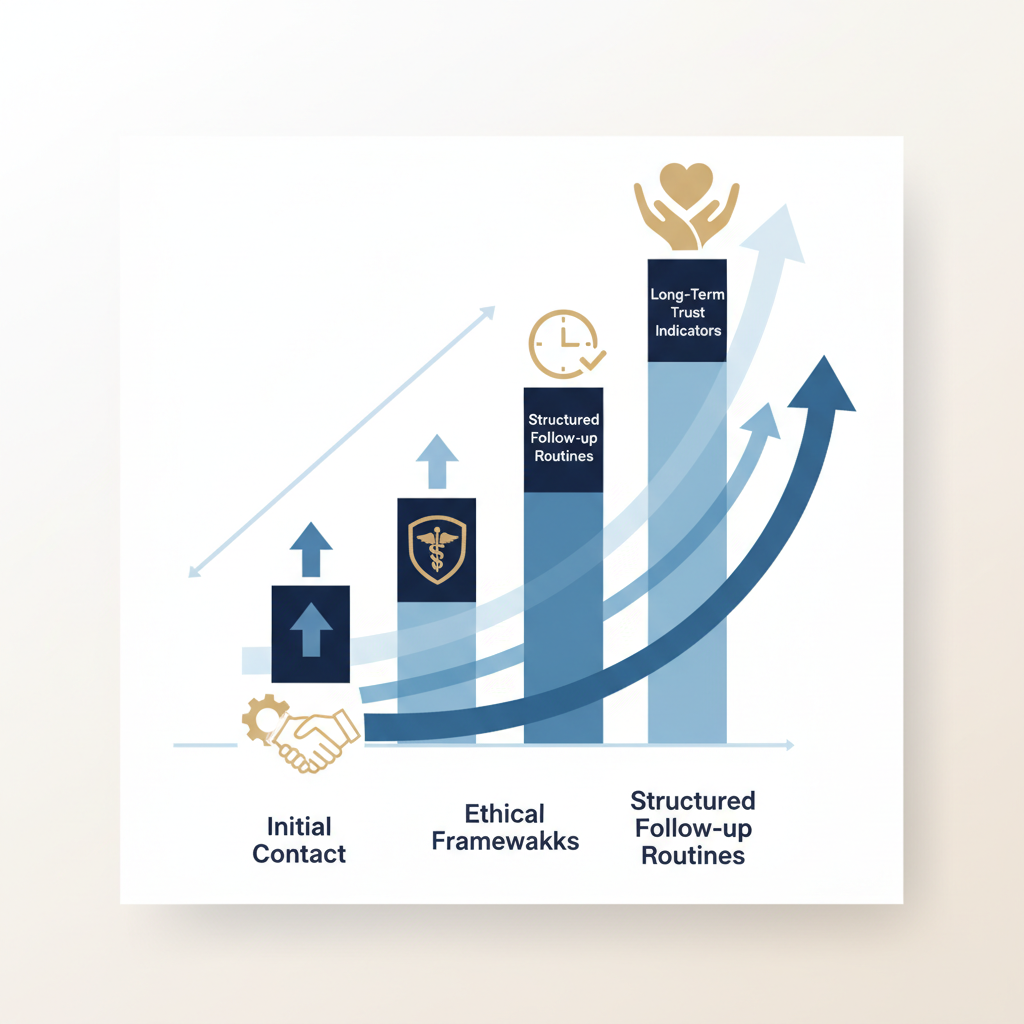
Follow-up is the heartbeat of the D2B system. It is the process of checking in, answering questions, and ensuring that the service provided meets the user's expectations. Effective follow-up is built on three pillars: consistency, empathy, and data-driven support. Consistency ensures that the customer never feels abandoned. Empathy allows the partner to understand the unique challenges the customer faces, whether they are navigating health literacy challenges in the Eastern Province or trying to understand complex product details. Data-driven support involves using professional tools to track progress and provide accurate information based on the customer's specific journey.
Skills for Service Excellence
To excel in a D2B system, a partner must develop a diverse toolkit of professional skills. These are not innate talents but learned competencies that require practice and refinement. Key skills include: 1. Active Listening: The ability to hear not just the words, but the underlying needs of the customer. 2. Technical Proficiency: Understanding the science behind the products, such as the role of short-chain fatty acids or how to interpret nutrition labels for heart health. 3. Conflict Resolution: Handling concerns with grace and professionalism. 4. Educational Leadership: Guiding others through complex information, such as A1c terminology, without overstepping into medical diagnosis.
The Importance of Health Literacy
In the context of wellness-oriented D2B systems, health literacy is a cornerstone of service. A partner must be able to translate complex information into actionable knowledge for the customer. This might involve explaining Saudi Arabia's food labeling standards or helping a customer prepare the right questions for their doctor. By enhancing the customer's literacy, the partner empowers them to make better decisions, which in turn strengthens the professional bond.
The 30/60/90-Day Learning Path
Entering a D2B partnership is a journey of professional growth. It is not an overnight transition but a structured process of skill acquisition. Days 1-30: Foundation. The focus is on learning the system's core values, understanding the product range, and observing experienced mentors. The goal is to build a baseline of knowledge. Days 31-60: Implementation. The partner begins to engage in direct service under supervision. This phase is about applying communication skills and learning how to manage follow-up schedules effectively. Days 61-90: Optimization. The partner starts to take full ownership of their service process. They begin to focus on leadership and team-building skills, looking at how they can support others in the system while maintaining their own high standards of customer care.
Ethical Boundaries and Professional Responsibility
One of the most critical aspects of the D2B system is maintaining ethical boundaries. Partners are service providers and educators, not medical professionals. It is essential to avoid making health claims or promising specific results. The role is to provide information and support, allowing the customer to work within the framework of their own professional medical advice. This ethical stance protects the partner, the brand, and most importantly, the customer. Transparency about what the system can and cannot do is fundamental to long-term sustainability.
How This Connects to the Partnership Path
The D2B system is more than a business model; it is a path for personal and professional development. For those who value service, education, and community building, this path offers a structured way to develop leadership skills. The partnership path is designed for individuals who are willing to invest time in learning and who prioritize the needs of others. It is a qualification-based journey where suitability is determined by one's commitment to ethics, consistency, and professional growth. Outcomes in this path are not guaranteed; they depend entirely on the individual's effort, skill level, and adherence to system policies.
Comparison: Traditional Service vs. D2B Follow-up
| Feature | Traditional Retail Service | D2B System Follow-up |
|---|---|---|
| Primary Focus | Transaction/Sale | Relationship/Support |
| Communication | Reactive (Wait for complaint) | Proactive (Scheduled check-ins) |
| Knowledge Depth | General product features | Deep technical & educational insight |
| Relationship Length | Short-term/One-off | Long-term/Ongoing |
| Partner Role | Clerk/Salesperson | Consultant/Educator/Leader |
People Also Ask
- What is the main goal of a D2B system? The goal is to create a direct, supportive relationship between the brand and the user through a dedicated partner, focusing on long-term satisfaction rather than one-time sales.
- How often should follow-up occur? Follow-up frequency depends on the customer's needs, but it typically involves a structured schedule (e.g., 1, 3, 7, and 30 days) to ensure the user is comfortable with the service.
- Do I need a medical background to succeed? No, but a commitment to health literacy and professional education is essential. Partners must learn to provide information without giving medical advice.
- What are the key leadership skills in D2B? Key skills include empathy, team coordination, effective communication, and the ability to mentor others in service excellence.
- Is the D2B model suitable for everyone? It suits those who are self-motivated, value ethical service, and are willing to undergo a rigorous learning process. It may not suit those looking for quick, transactional results.
Frequently Asked Questions
- How does the D2B system improve customer retention? By providing personalized follow-up and continuous education, customers feel valued and supported, which leads to higher satisfaction and loyalty.
- What tools are used for follow-up in this system? Partners use professional communication platforms, CRM logic to track interactions, and educational resources to support customer needs.
- Can I start the partnership path part-time? Suitability and time commitments are discussed during the exploration phase. Many begin by integrating learning into their existing schedules.
- What happens during the first 90 days? The first 90 days are focused on training, from understanding product science to mastering the ethics of professional service and follow-up.
- Where can I learn more about becoming a partner? The primary next step is to visit the internal partnership-fit or suitability page to explore if your skills and values align with the system.
Disclaimer: This article is for educational and informational purposes only. It does not constitute financial, legal, or medical advice. Participation in any partnership program requires independent verification of policies and eligibility. Financial outcomes are not guaranteed and depend on individual effort, market conditions, and skill application. ATHAR does not provide medical diagnoses or treatment plans. Always consult with a qualified professional for health or financial decisions.

To explore whether the partnership path and the D2B system suit your professional goals, we encourage you to take the next step in your discovery journey.
Explore whether the partnership path suits you by visiting our suitability assessment page.
Further Education
- Explore the metabolic health education hub
- Learn how to read research summaries
- Use the educational health assessment
Evaluate the path with clarity
Use the decision guide to review eligibility, responsibilities, policies, and questions that require confirmation from official programme sources. No financial outcome is promised.
Choose the right partnership path
If you are interested in building a wellness business or sharing Feel Great with your audience, start with the official path that best matches your goals and review the steps clearly.
Explore the creator affiliate portal · Explore partnership opportunities · Explore the Feel Great member path · Contact us on WhatsApp
Programs and paths depend on market availability and official eligibility. No income or outcome is guaranteed.