Understanding Insulin Resistance Terminology in the UK: A Comprehensive Guide to Metabolic Health
Author: Feras Alayed
Published:
Updated:
Category: insulin-resistance
Reading Time: 9 minutes
Key Takeaways
- Insulin resistance is a term used when cells respond poorly to insulin.
- In the UK, blood glucose is measured in mmol/L, while HbA1c is typically reported in mmol/mol.
- Terminology like 'Prediabetes' is used by the NHS to categorise risk levels.
- Effective communication with your GP requires understanding these specific terms and guidelines.
Introduction: The Language of Metabolism
For many individuals in the United Kingdom, a visit to the GP regarding fatigue or general malaise can lead to a flurry of technical terms. You might hear words like 'insulin resistance' or 'HbA1c'. Understanding insulin resistance terminology in the UK is the first step toward taking ownership of your metabolic health. However, the terminology used in British healthcare settings—governed by the National Institute for Health and Care Excellence (NICE) and the NHS—can often feel like a foreign language.
This guide aims to demystify these terms, providing you with the literacy needed to navigate the UK healthcare system effectively. We will explore what these terms mean and how you can use this knowledge to support a healthier lifestyle.
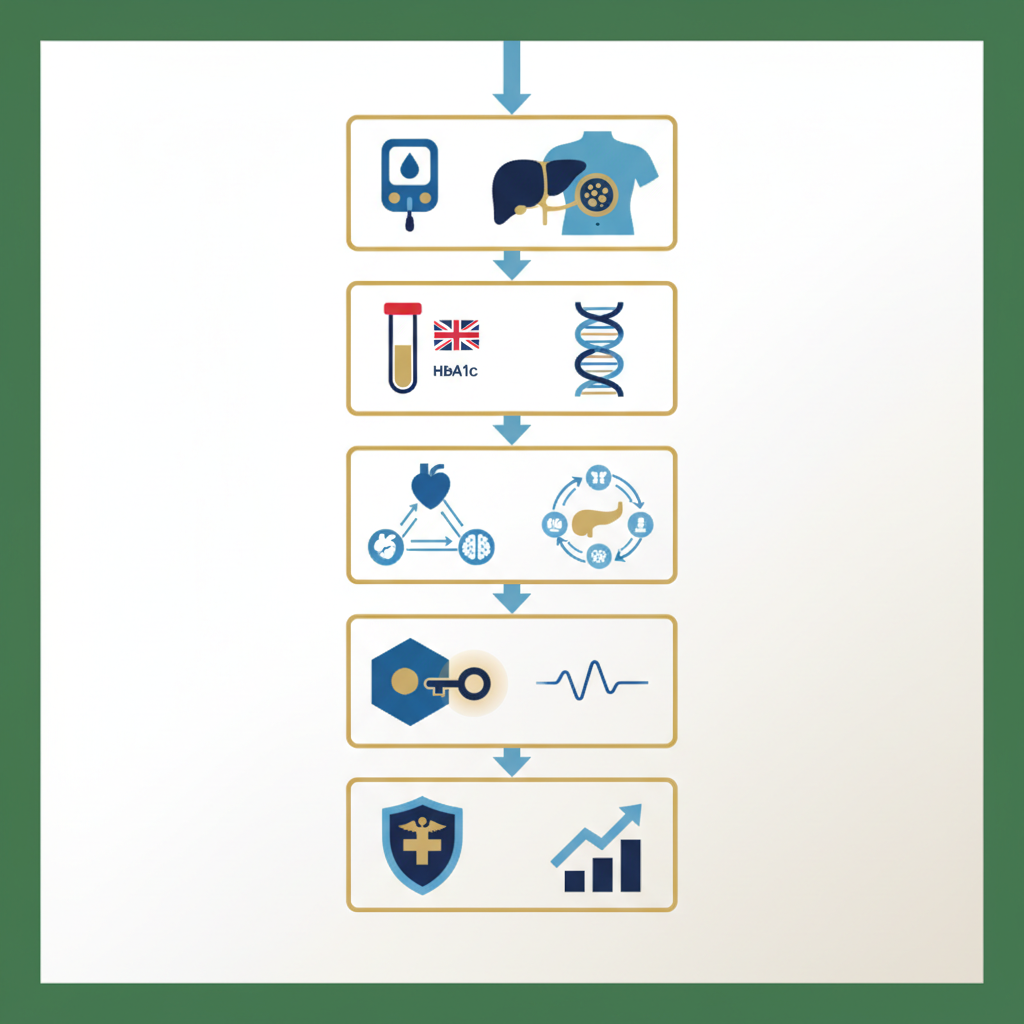
The Lived Experience: Beyond the Numbers
Many people struggle with their health despite their blood tests coming back within expected ranges. You might feel a constant sense of lethargy or find it increasingly difficult to manage your wellbeing. This disconnect between how you feel and what the lab results say is a common frustration.
Understanding the terminology used by professionals can help you articulate these feelings better during your appointments.
Defining Insulin Resistance in a UK Context
At its core, insulin resistance is a condition where the body's cells do not respond effectively to the hormone insulin. Insulin is produced by the pancreas and allows glucose from the bloodstream to enter the cells.
When resistance occurs, the pancreas may struggle to keep up. In the UK, this progression is often monitored through specific diagnostic markers.
Key Terminology
Understanding the specific units and tests used in the UK is vital for any meaningful discussion with a healthcare provider.
1. Blood Glucose (mmol/L)
In the UK, blood glucose is measured in millimoles per litre (mmol/L). This is different from the mg/dL used in the United States. A fasting blood glucose test measures your sugar levels after you haven't eaten for a period of time.
2. HbA1c (mmol/mol)
HbA1c, or glycated haemoglobin, measures your average blood sugar levels over the previous two to three months. In the UK, HbA1c is reported in mmol/mol (millimoles per mole).
3. Hyperinsulinaemia
This refers to having excess levels of insulin circulating in the blood.
The Role of the NHS and NICE Guidelines
The National Institute for Health and Care Excellence (NICE) provides the evidence-based pathways that NHS doctors follow. For metabolic health, NICE guidelines focus on identifying those at risk. The 'NHS Diabetes Prevention Programme' is a key initiative designed to support those identified with prediabetes.
When speaking with your GP, it is helpful to ask where your results sit within these NICE frameworks. If you are preparing for a check-up, you might want to review our health assessment tools to help you structure your questions.
Understanding Hunger Cues and Satiety
Learning to distinguish between physical hunger and emotional hunger is a vital skill for managing your wellbeing.
Journaling for Metabolic Awareness
Tracking your habits and energy levels can provide invaluable data for both you and your GP. A wellbeing journal helps you identify patterns that a single blood test might miss.
Source Verification Checklist
When researching insulin resistance terminology in the UK, ensure your information comes from reliable sources. Use this checklist:
- Does the information mention NICE guidelines or NHS protocols?
- Are blood sugar measurements listed in mmol/L?
- Is the source a registered UK charity (e.g., Diabetes UK, British Heart Foundation)?
Frequently Asked Questions
Why does the UK use mmol/L instead of mg/dL?
The UK uses the International System of Units (SI). To convert mmol/L to mg/dL, you multiply by 18.
What is the 'NHS Diabetes Prevention Programme'?
It is a joint initiative by NHS England, Public Health England, and Diabetes UK that provides support to help people reduce their risk through lifestyle changes.
Medical Disclaimer
This article is for informational purposes only and does not constitute medical advice, diagnosis, or treatment. Always seek the advice of your GP or another qualified health provider with any questions you may have regarding a medical condition. Never disregard professional medical advice or delay in seeking it because of something you have read on this website.
Explore health education with care
Use ATHAR’s educational guides and practical tools to choose your next learning step.