A Comprehensive Sleep Journal Guide Canada: Understanding Your Rest in a Northern Climate
Author: Feras Alayed
Published:
Updated:
Category: sleep
Reading Time: 8 minutes
Key Takeaways
- A sleep journal helps identify patterns between daily habits and rest quality.
- Canadian seasonal light changes significantly impact the circadian rhythm.
- Structured lifestyle programmes, such as the structured reflection approach, can provide a framework for consistency.
- Health literacy is essential for discerning between evidence-based practices and wellness myths.
- Consult a healthcare provider for persistent sleep disturbances.
Introduction: The Canadian Sleep Challenge
For many Canadians, achieving consistent, restorative rest can feel like a moving target. Whether it is the long, sun-drenched evenings of a Prairie summer or the deep, dark mornings of a Yukon winter, our environment plays a massive role in how we sleep. You may have tried various routines—cutting out caffeine, adjusting the thermostat, or buying new pillows—only to find that your energy levels remain unpredictable. This frustration often stems from a lack of data. Without a clear picture of what is actually happening between the time you close your eyes and the moment your alarm rings, it is difficult to make meaningful changes.
The desired outcome for most is not just 'more sleep,' but better quality rest that leaves you feeling capable of handling the demands of a busy Canadian lifestyle. However, sustaining new habits is hard because we often lack a feedback loop. This is where a sleep journal guide Canada becomes an essential tool. By documenting your behaviours and outcomes, you move from guesswork to evidence-informed lifestyle adjustments.
Why Keep a Sleep Journal?
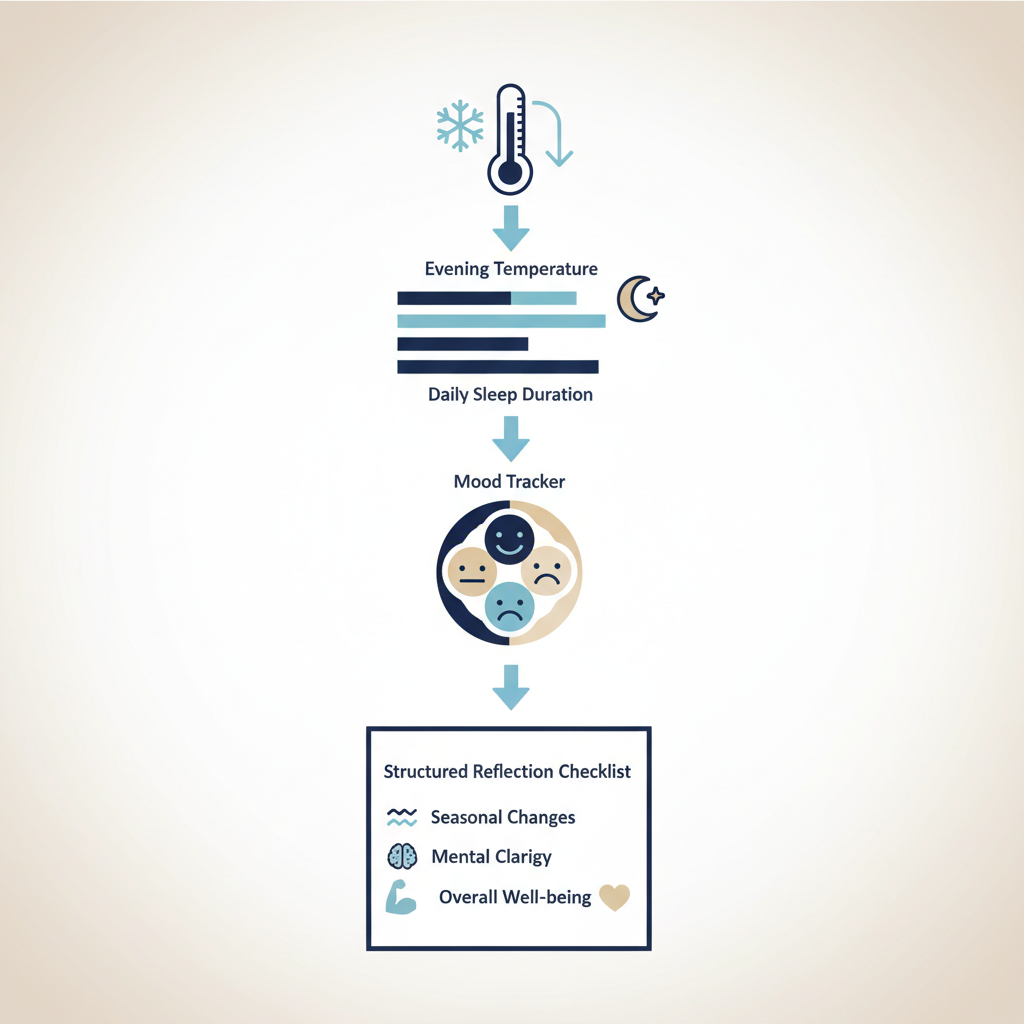
A sleep journal is a daily record of your sleep patterns and daytime habits. Its primary purpose is to help you and, potentially, your healthcare provider identify factors that may be affecting your rest. In the context of understanding medical and health information, a journal serves as your personal data set.
Previous attempts at improving sleep often fail because they are too broad. You might decide to 'sleep more,' but without knowing that your 3:00 PM coffee is the primary disruptor, the goal remains elusive. A journal provides the granular detail needed to see these connections. It helps bridge the gap between what we think we are doing and what is actually occurring. For instance, you might believe you are getting eight hours of rest, but a journal might reveal that frequent awakenings are reducing your actual sleep time significantly.
Canadian Environmental Factors & Sleep
Living in Canada presents unique challenges to the circadian rhythm—the internal clock that regulates sleep-wake cycles. Our northern latitude means that daylight hours fluctuate dramatically throughout the year. In cities like Edmonton or St. John's, the difference between summer and winter daylight can be over eight hours.
Seasonal Light Exposure
During the winter, many Canadians experience a lack of morning sunlight, which is crucial for 'setting' the internal clock. Conversely, the late sunsets of summer can delay the production of melatonin, the hormone that signals to the body that it is time to sleep. Tracking your light exposure in your journal is vital. Are you using a light box in November? Are you using blackout curtains in July? Documenting these variables helps you understand how seasonal planning affects your overall well-being.
Temperature and Home Environment
Canadian homes are built to retain heat, which is excellent for survival but can sometimes be detrimental to sleep. The body needs to drop its core temperature by about 1°C to initiate sleep. If your bedroom is kept at 22°C throughout the night, you might find yourself tossing and turning. A sleep journal allows you to record the room temperature and see if a cooler setting—perhaps 18°C—correlates with better rest markers.
How to Start Your Sleep Journal
To get the most out of your sleep journal guide Canada, consistency is more important than complexity. You do not need expensive equipment; a simple notebook or a dedicated app will suffice. Here is what you should track daily:
- Time to Bed and Time of Waking: Note when you actually turned off the lights and when you got out of bed.
- Sleep Latency: Approximately how long did it take you to fall asleep?
- Night Awakenings: How many times did you wake up, and for how long?
- Food and Drink: Record the timing of your last meal and any caffeine or alcohol consumption.
- Physical Activity: Did you exercise? At what time?
- Mood and Energy: How did you feel upon waking and throughout the afternoon?
For those balancing flexible work responsibilities, tracking how work stress or late-night emails impact your sleep latency is particularly revealing. Canadian professionals often find that 'winding down' is the most difficult part of the day; your journal can help identify which wind-down activities (like reading versus scrolling on a phone) actually work.
The structured reflection approach: A Structured Lifestyle Approach
The structured reflection approach emphasizes the timing of nutrition and the use of specific fibre-based supports to manage energy levels. When your blood sugar is stable throughout the day, you are less likely to experience the 'afternoon slump' that leads to late-day caffeine use—a major sleep disruptor. By documenting your adherence to a structured programme in your sleep journal, you can observe how metabolic consistency influences your nocturnal rest. This is about building a foundation of health, as discussed in the health literacy guide for residents seeking to improve their daily habits.
Health Literacy: Evaluating Sleep Research
The wellness industry is flooded with claims about 'miracle' sleep aids. As a Canadian reader, it is important to navigate these claims with a critical eye. When you read longevity and health research, look for studies that are peer-reviewed and have a significant sample size. Be wary of 'anecdotal evidence' or products that claim to 'cure' insomnia overnight.
In Canada, health products are regulated by Health Canada. Look for a Natural Product Number (NPN) on any supplements, but remember that a sleep journal is a non-invasive, behavioural tool that should always be the first step before introducing new substances. Comparing global wellness trends can also provide perspective, but always bring it back to your local environment and personal data.
When to Consult a Canadian Healthcare Professional
A sleep journal is a powerful tool for self-improvement, but it is not a substitute for medical care. If your journal reveals persistent patterns of concern, it is time to book an appointment. In Canada, you might start with your family physician or a nurse practitioner. For women, navigating specific life stages like pregnancy or menopause can further complicate sleep, making essential health appointments even more critical.

Consult a professional if you experience:
- Chronic inability to fall or stay asleep (insomnia) despite good hygiene.
- Excessive daytime sleepiness that interferes with work or driving.
- Loud snoring or gasping for air during the night (potential sleep apnea).
- Restless sensations in the legs.
- Nightmares or sleepwalking that cause distress.
Bring your sleep journal to your appointment. It provides your doctor with weeks of objective data, which is far more useful than a vague description of 'feeling tired.'
Source Verification Checklist
When researching sleep advice online, use this checklist to ensure the information is reliable for a Canadian context:
- Authority: Is the information from a recognized body like the Canadian Sleep Society or Health Canada?
- Currency: Is the article or study from the last 5-10 years?
- Spelling/Context: Does the guide use Canadian standards (e.g., metric units, Canadian spelling)?
- Transparency: Does the site clearly distinguish between lifestyle advice and medical diagnosis?
- Evidence: Are claims backed by links to reputable scientific journals?
Medical Disclaimer
Frequently Asked Questions
What is the scope of this guide?
This guide is educational and helps readers organize questions and observations for further learning.
How should I use the information?
Use it to review terminology, note personal questions, and identify sources that require verification.
When should I seek professional guidance?
Discuss personal symptoms, medicines, diagnoses, or treatment decisions with a licensed professional.
Further Education
- Explore the metabolic health education hub
- Learn how to read research summaries
- Use the educational health assessment
Explore the topic with reliable health education
Use ATHAR’s educational guides and practical tools to consider your next learning step.