Market Expansion Strategies: A Guide for New Partners
Author: Feras Alayed
Published:
Updated:
Category: business-opportunity
Reading Time: 6 minutes
- Comprehensive market research is the foundation of any successful expansion strategy.
- Regulatory compliance and ethical standards must be verified locally before commencement.
- Cultural intelligence and local adaptation are critical for building trust with new audiences.
- Operational readiness involves a clear 30/60/90-day learning and implementation plan.
- Partnership success is dependent on individual effort, skill development, and market conditions.
Introduction: The Strategic Decision of Expansion
Entering a new market is a significant milestone for any professional or business entity. It represents a transition from established comfort zones into territories filled with both opportunity and complexity. The central question for any prospective partner is not just 'where' to expand, but 'how' to do so ethically, sustainably, and effectively. Expanding in markets and partnerships requires a shift in mindset from local execution to global strategy. This article outlines the essential pillars of market entry, focusing on the skills and responsibilities required to succeed in diverse environments.
1. Evaluating Market Readiness and Feasibility
Before committing resources, a partner must conduct a thorough feasibility study. This involves analyzing the demand for services, the competitive landscape, and the socio-economic factors influencing consumer behavior. Understanding the local context is vital. For instance, a strategy that works in North America may require significant adjustments for the Middle Eastern market. Partners should look at health literacy guides in specific regions to understand how information is consumed and trusted locally.
Key Factors in Feasibility:
- Demand Analysis: Is there a genuine need for the service or product in the target region?
- Competitive Landscape: Who are the existing players, and what is the unique value proposition of your partnership?
- Infrastructure: Are the necessary logistics and digital frameworks in place to support operations?
2. Regulatory Compliance and Ethical Standards
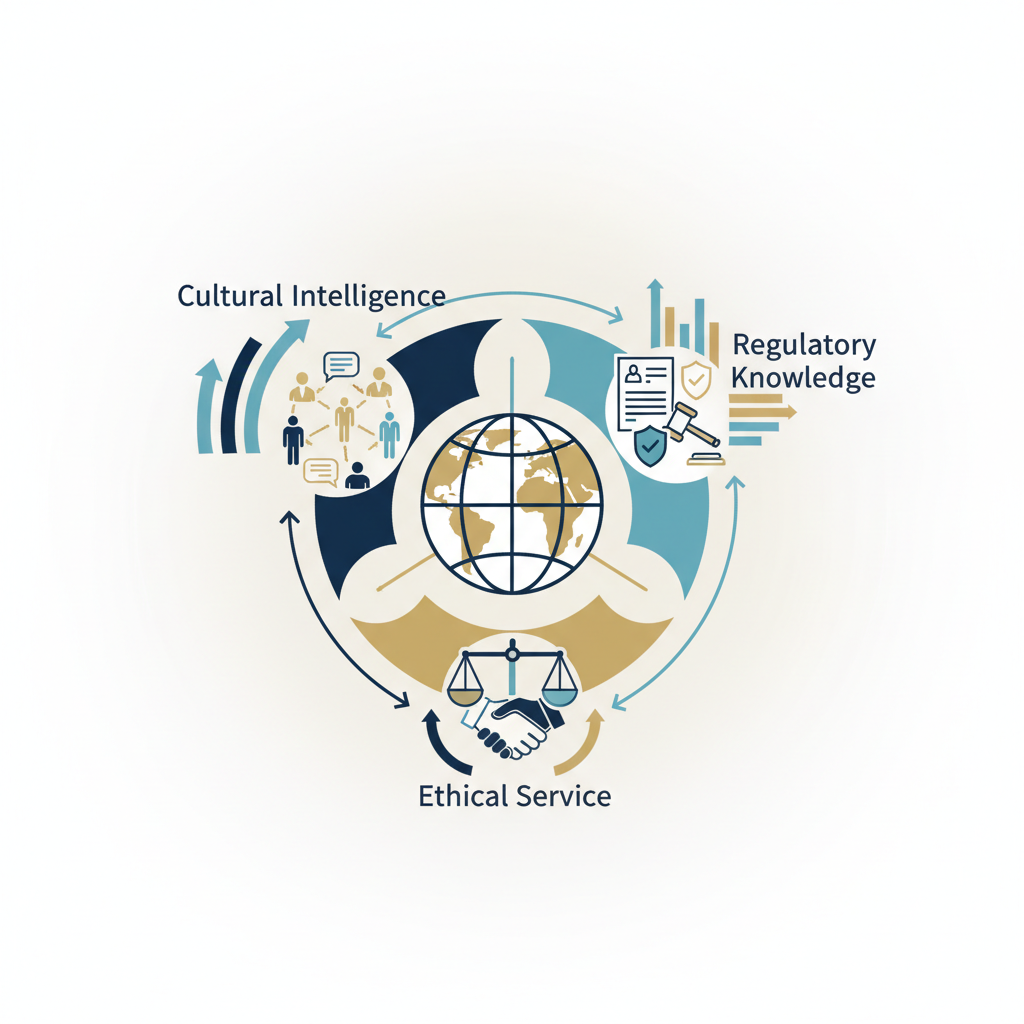
Every jurisdiction has its own set of rules governing business operations, professional conduct, and consumer protection. A partner’s primary responsibility is to ensure that all activities align with local laws. This includes understanding tax obligations, professional licensing, and data privacy regulations. Ethical leadership means going beyond the minimum legal requirements to ensure that service delivery is transparent and fair. For example, when dealing with wellness or nutritional products, partners must be adept at reading and explaining product labels accurately to ensure consumer safety and trust.
3. Building Cultural Intelligence (CQ)
Cultural intelligence is the ability to function effectively across different cultural contexts. It is not just about language; it is about understanding the nuances of communication, negotiation, and relationship-building. In many markets, business is built on trust and long-term rapport rather than just transactional efficiency. Partners must invest time in learning local customs and expectations to avoid misunderstandings that could damage the partnership's reputation.
Comparison of Entry Strategies
| Strategy | Description | Pros | Cons |
|---|---|---|---|
| Direct Entry | Establishing a physical presence independently. | Full control over operations. | High risk and capital intensive. |
| Partnership Model | Collaborating with local entities or established systems. | Shared risk and local expertise. | Requires high coordination and alignment. |
| Digital Expansion | Using online platforms to reach new audiences. | Low overhead and quick setup. | Difficult to build deep local trust. |
4. Operational Readiness: The 30/60/90 Day Plan
A structured approach to the first three months of expansion is crucial for long-term stability. This period should be focused on learning and integration rather than immediate results. Success in these early stages is measured by the acquisition of knowledge and the establishment of foundational systems.
- Day 1-30: The Learning Phase. Focus on understanding the local regulatory environment, attending training sessions, and identifying key stakeholders.
- Day 31-60: The Integration Phase. Begin applying local adaptations to service models and start building initial professional networks.
- Day 61-90: The Execution Phase. Launch pilot initiatives and gather feedback for continuous improvement.
During this time, maintaining personal well-being is essential for sustained performance. Referencing a workday wellness routine can help partners manage the stresses of expansion.
5. Risk Management and Mitigation
Expansion inherently involves risk—financial, reputational, and operational. A professional partner identifies these risks early and develops mitigation strategies. This includes diversifying outreach efforts, maintaining a reserve of resources, and staying informed about global economic shifts. It is also important to accurately evaluate information and claims to ensure that the partnership remains grounded in evidence-based practices.
How This Connects to the Partnership Path
The journey of expanding in markets and partnerships is a path of professional development and skill acquisition. It is not a shortcut to financial success but a rigorous process of leadership and service. The partnership path offered through our system focuses on qualifying individuals who are committed to ethical growth and community service. Potential partners are encouraged to explore their suitability through a structured discovery process, focusing on their ability to lead, learn, and adapt.
Financial outcomes in this path are never guaranteed. They are the result of consistent effort, mastery of professional skills, and the ability to navigate market fluctuations. We prioritize those who value long-term impact over short-term gains.
People Also Ask
- What is the most important skill for market expansion? Adaptability and cultural intelligence are paramount, as they allow a partner to navigate unfamiliar environments effectively.
- How long does it take to see results in a new market? There is no fixed timeline; results depend on market conditions, the partner's effort, and the complexity of the regulatory environment.
- Do I need a large team to start expanding? Not necessarily. Many partners start by building their own skills and leveraging existing support systems before scaling.
- How do I handle language barriers? Utilizing local experts and investing in professional translation and localization services is essential for clear communication.
- Is market expansion suitable for everyone? Expansion requires a high degree of resilience, strategic thinking, and a willingness to learn, which may not suit every individual's professional goals.
FAQ
What are the first steps in market expansion?
The first steps involve deep market research, assessing your own readiness, and understanding the legal requirements of the target region.

How does the partnership model reduce risk?
By collaborating with established systems, partners can leverage existing expertise, training, and infrastructure, which mitigates the learning curve and operational hurdles.
What role does ethical leadership play?
Ethical leadership ensures that expansion is sustainable and that the partnership maintains a positive reputation, which is vital for long-term growth in any new market.
Can I expand into multiple markets at once?
While possible, it is often recommended to focus on one market at a time to ensure that the necessary cultural and regulatory adaptations are handled correctly.
Where can I learn more about the partnership suitability?
You can explore the partnership-fit path through our internal suitability page, which provides a detailed look at the expectations and responsibilities involved.
Disclaimer: This article is for educational and informational purposes only. It does not constitute financial, legal, or professional advice. All market expansion activities should be undertaken after independent verification of local laws and regulations. Financial outcomes are not guaranteed and depend on individual effort, skills, and market conditions. This content does not provide health or medical advice; please consult a qualified professional for health-related concerns.
Further Education
- Explore the metabolic health education hub
- Learn how to read research summaries
- Use the educational health assessment
Evaluate the path with clarity
Use the decision guide to review eligibility, responsibilities, policies, and questions that require confirmation from official programme sources. No financial outcome is promised.