Metabolic health Finland THL FinHealth: Survey results & insights
Author: Feras Alayed
Published:
Updated:
Category: finnish-health
Reading Time: 11 minutes
Key Takeaways
- THL FinHealth (FinTerveys 2017 and related follow-ups) shows rising metabolic risks in Finland: high BMI, growing diabetes diagnoses, and common dyslipidemia. ([terveytemme.fi](https://www.terveytemme.fi/finterveys/tulokset/index.html?utm_source=openai))
- About one in ten Finnish adults has diagnosed type 2 diabetes and regional data show higher cardiometabolic burden in many population groups. ([yle.fi](https://yle.fi/a/3-12580165?utm_source=openai))
- Evidence supports viscous soluble fiber and whole-grain Nordic staples (rye, oats, berries) for better post‑meal glucose responses; clinical meta-analyses show measurable improvements in fasting glucose (mmol/L) and HbA1c. ([pmc.ncbi.nlm.nih.gov](https://pmc.ncbi.nlm.nih.gov/articles/PMC10500602/?utm_source=openai))
- Time‑restricted eating (TRE) and structured intermittent fasting can aid weight loss and some metabolic markers (timing matters — earlier windows often perform better). Recent systematic reviews and network meta-analyses summarise this evidence. ([bmjmedicine.bmj.com](https://bmjmedicine.bmj.com/content/5/1/e001071?utm_source=openai))
- Finland’s Diabetes Prevention Study (DPS) is a landmark proof that targeted lifestyle change reduces diabetes risk — a model for prevention in Finnish primary care (terveyskeskus) and KELA‑supported pathways. ([nejm.org](https://www.nejm.org/doi/abs/10.1056/NEJM200105033441801?promo=ONFLNS19&utm_source=openai))
TL;DR
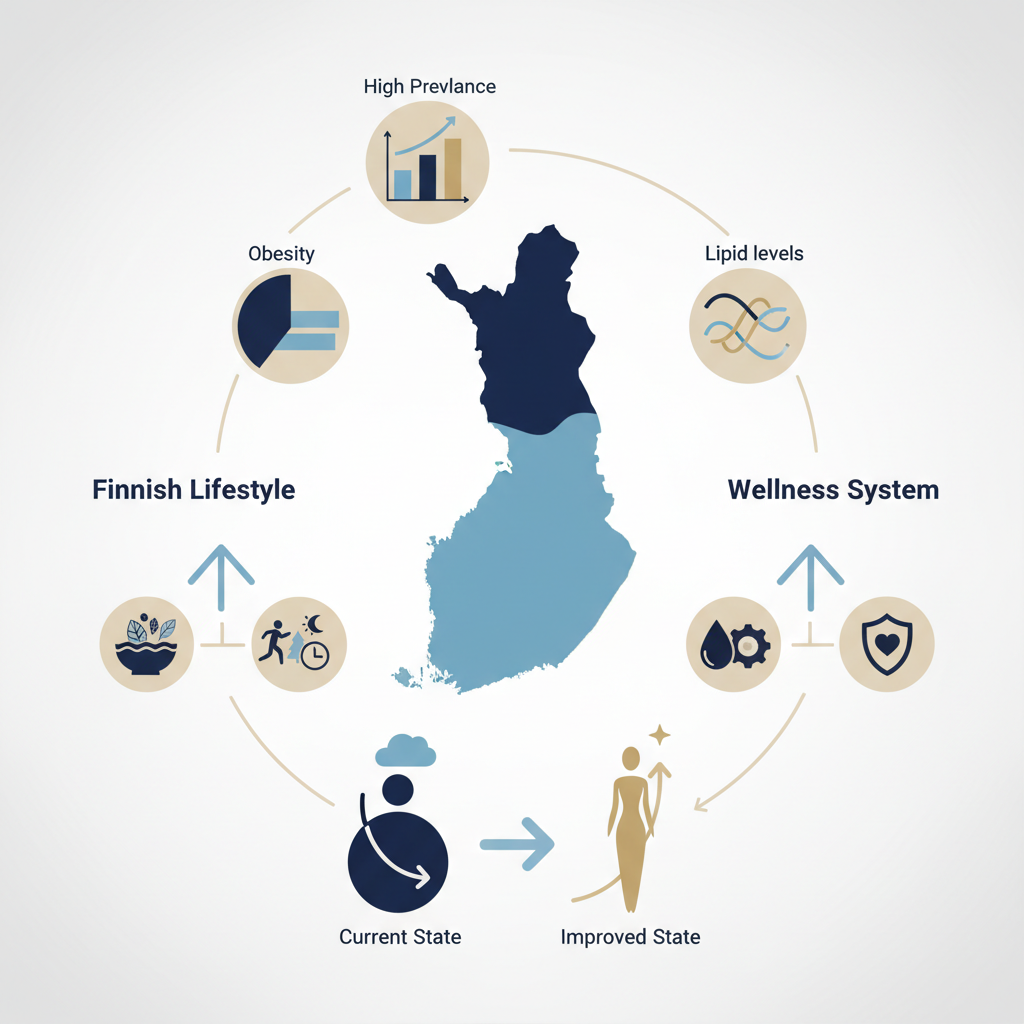
THL's FinHealth data show increasing metabolic risk across Finland (obesity, dyslipidemia, rising diabetes). Population-level prevention (DPS) and modern lifestyle tools — good nutrition (rye, berries, soluble fiber), movement, earlier eating windows, and targeted supplements like soluble fiber matrices and yerba mate extracts — may help people manage post‑meal glucose and metabolic wellness. For medical care use your local terveyskeskus; KELA covers many treatment pathways. ([terveytemme.fi](https://www.terveytemme.fi/finterveys/tulokset/index.html?utm_source=openai))
🇫🇮 Want to take action now? Try Feel Great → | Chat with a coach →
Metabolic Health in Finland — What the THL FinHealth Survey Shows
Introduction — a startling Finland figure
Finland’s national FinHealth/FinTerveys surveys (the main full examination was FinTerveys 2017 and subsequent population monitoring) reveal that metabolic risk factors — overweight and obesity, elevated fasting glucose, and dyslipidemia — remain common in the adult population. In some reporting, roughly 1 in 10 adults has diagnosed type 2 diabetes and measured population risk markers have increased over time. These trends matter because elevated fasting plasma glucose and high BMI are leading contributors to disease burden worldwide. ([terveytemme.fi](https://www.terveytemme.fi/finterveys/tulokset/index.html?utm_source=openai))
What THL FinHealth (FinTerveys) measured
FinTerveys (FinHealth) combines clinical examinations, blood tests and questionnaires from a representative sample of Finnish adults. Measured variables relevant to metabolic health include:
- Body Mass Index (BMI) and waist circumference. ([terveytemme.fi](https://www.terveytemme.fi/finterveys/tulokset/index.html?utm_source=openai))
- Fasting plasma glucose and HbA1c (diagnostic thresholds: fasting plasma glucose ≥7.0 mmol/L for diabetes). ([diabetes.fi](https://diabetes.fi/diabetestietoa/tyypin-2-diabetes/tietoa-tyypin-2-diabeteksesta/?utm_source=openai))
- Lipid panel (LDL, HDL, triglycerides) and blood pressure. ([terveytemme.fi](https://www.terveytemme.fi/finterveys/html/m_diab_hba1c_gluk.html?utm_source=openai))
- Medication use, healthcare visits and regional variation in chronic disease burden. ([pmc.ncbi.nlm.nih.gov](https://pmc.ncbi.nlm.nih.gov/articles/PMC9858397/?utm_source=openai))
Key FinHealth findings that affect metabolic health (summary)
Using the FinTerveys 2017 outputs and THL updates:
- High prevalence of overweight/obesity: many adult Finns are above healthy BMI ranges; obesity is increasing in population projections. ([yle.fi](https://yle.fi/a/3-10988443?utm_source=openai))
- Diagnosed diabetes is common — Diabetesliitto reports hundreds of thousands with type 2 diabetes (e.g., ~403,000 diagnosed T2D reported in 2024 figures). This reflects both increased detection and true rise in incidence. ([diabetes.fi](https://diabetes.fi/diabetestietoa/diabeteksen-eri-muodot/?utm_source=openai))
- Measured lipid problems (elevated LDL, triglycerides) and high blood pressure remain prevalent in subgroups; these cluster together as metabolic syndrome components. ([terveytemme.fi](https://www.terveytemme.fi/finterveys/html/m_diab_hba1c_gluk.html?utm_source=openai))
- Economic and healthcare impact: national registry and biobank analyses show that higher BMI and multiple metabolic comorbidities raise direct healthcare and medication costs in Finland. ([pmc.ncbi.nlm.nih.gov](https://pmc.ncbi.nlm.nih.gov/articles/PMC9858397/?utm_source=openai))
Why these numbers matter: Finland in the global metabolic picture
Global Burden of Disease analyses show that high fasting plasma glucose and high BMI are among the top metabolic drivers of illness worldwide. Finland’s trends mirror global concerns: rising obesity, more people with fasting glucose above normal, and persistent dyslipidemia. Addressing these at the primary care level (terveyskeskus) and via national prevention programs is cost‑effective and evidence‑based. ([pmc.ncbi.nlm.nih.gov](https://pmc.ncbi.nlm.nih.gov/articles/PMC11120204/?utm_source=openai))
Digging into numbers (typical clinical thresholds you’ll see in Finland)
- Normal fasting plasma glucose: <6.1 mmol/L (varies by guideline); diabetes diagnostic fasting plasma glucose: ≥7.0 mmol/L. HbA1c diagnostic thresholds and targets are used in practice. ([diabetes.fi](https://diabetes.fi/diabetestietoa/tyypin-2-diabetes/tietoa-tyypin-2-diabeteksesta/?utm_source=openai))
- LDL targets usually depend on cardiovascular risk; Finnish guidance references values in mmol/L (e.g., LDL <3.0 mmol/L for general populations and lower targets for high-risk groups). National care guidance and Sydänliitto materials provide local targets. ([kaypahoito.fi](https://www.kaypahoito.fi/hoi50025?utm_source=openai))
What the science says about lifestyle changes that matter in Finland
1) Fiber and whole grains — the Nordic advantage
Systematic reviews and meta-analyses of RCTs show that viscous soluble fibers (psyllium, glucomannan, beta‑glucan from oats) reduce fasting glucose and HbA1c and can blunt post‑meal glucose excursions. Oat beta‑glucan and intact oats reduce post‑prandial glucose area under the curve in controlled trials — relevant to Finnish diets that include oats and rye. ([pmc.ncbi.nlm.nih.gov](https://pmc.ncbi.nlm.nih.gov/articles/PMC10500602/?utm_source=openai))
2) Traditional Finnish foods: rye, berries, fish and vegetables
Rye bread (ruisleipä), wild berries (mustikka, puolukka) and oily fish are staples that support satiety, fiber intake and beneficial fatty acid profiles. THL and Finnish food research emphasise whole-grain intake (rye/oats) in national guidelines and cultural nutrition studies; rye contributes a large share of fibre in Finnish diets. ([demo.seco.tkk.fi](https://demo.seco.tkk.fi/tervesuomi/item/ktl%3A2705?utm_source=openai))
3) Meal timing, intermittent fasting and TRE
Recent systematic reviews and a BMJ Medicine network meta‑analysis show that time‑restricted eating (TRE), especially early windows (finishing dinner earlier), can improve weight and some metabolic markers (fasting insulin, sometimes fasting glucose), although benefits versus calorie restriction are modest and adherence is key. The 4-4-12 (Feel Great) style of structured daily windows fits into this evidence base as a practical TRE protocol that aligns with earlier-awake eating windows. ([bmjmedicine.bmj.com](https://bmjmedicine.bmj.com/content/5/1/e001071?utm_source=openai))
4) Plant polyphenols & yerba mate (Unimate)
Randomized trials of yerba mate extracts and controlled interventions show potential small benefits on cardiometabolic markers, mood and energy; chlorogenic acids are a major active class under study. Evidence is growing, and yerba mate is being evaluated for short‑term metabolic and cognitive effects in RCTs. These findings are consistent with the use of Unimate (yerba mate extract) as a non‑pharmaceutical lifestyle support. ([pmc.ncbi.nlm.nih.gov](https://pmc.ncbi.nlm.nih.gov/articles/PMC12319497/?utm_source=openai))
Finland-specific prevention success — the Diabetes Prevention Study (DPS)
The Finnish Diabetes Prevention Study (DPS) is a landmark randomized trial showing that structured lifestyle intervention (weight loss, reduced fat intake, increased fibre, and ≥150 minutes/week activity) reduced the progression from impaired glucose tolerance to type 2 diabetes by ~58% compared with control advice. DPS is a blueprint for prevention that Finnish primary care (terveyskeskus) and national programmes often reference. Long‑term follow-up confirmed sustained benefits. ([nejm.org](https://www.nejm.org/doi/abs/10.1056/NEJM200105033441801?promo=ONFLNS19&utm_source=openai))
How this translates to Finnish healthcare: practical pathways
- Screening & detection: If fasting glucose or HbA1c is above guideline thresholds, your terveyskeskus will guide testing and follow-up; many services are supported by KELA reimbursement. ([infofinland.fi](https://infofinland.fi/en/health/health-services-in-finland?utm_source=openai))
- Lifestyle referral: dietitians, diabetes nurses and local prevention groups offer DPS‑style programmes in many regions; THL resources and Diabetesliitto provide patient information. ([terveytemme.fi](https://www.terveytemme.fi/finterveys/tulokset/index.html?utm_source=openai))
- Medication and specialist care: if needed, primary care refers to specialist clinics; Finnish care pathways are described in national (Duodecim/Kaypahoito) guidelines. ([kaypahoito.fi](https://www.kaypahoito.fi/khp00066?utm_source=openai))
Practical, Finland-friendly steps to support metabolic health (evidence‑based)
Below are evidence‑aligned, culturally relevant actions that may help Finns improve metabolic markers:
- Increase viscous soluble fiber: aim to add oats, oats-porridge, legumes and fiber-rich rye products — meta-analyses show reductions in fasting glucose (mmol/L) and HbA1c with viscous fibers. ([pmc.ncbi.nlm.nih.gov](https://pmc.ncbi.nlm.nih.gov/articles/PMC10500602/?utm_source=openai))
- Prioritize wholegrain rye and intact oats over highly processed breads — these have lower postprandial insulin responses in many studies and are a deep part of Finnish food culture. ([jn.nutrition.org](https://jn.nutrition.org/article/S0022-3166%2822%2900044-X/fulltext?utm_source=openai))
- Eat earlier: consider an earlier eating window (finish meals earlier in the evening) consistent with TRE evidence; even small shifts often help fasting insulin and weight. ([bmjmedicine.bmj.com](https://bmjmedicine.bmj.com/content/5/1/e001071?utm_source=openai))
- Move more: 150 minutes/week moderate activity remains core prevention advice (DPS protocol included this). ([nejm.org](https://www.nejm.org/doi/abs/10.1056/NEJM200105033441801?promo=ONFLNS19&utm_source=openai))
- Use Finnish healthcare resources: contact your local terveyskeskus and ask about prevention programmes; check KELA entitlements for chronic disease care. ([infofinland.fi](https://infofinland.fi/en/health/health-services-in-finland?utm_source=openai))
How Feel Great Helps (practical connection)
Feel Great is a lifestyle support system built to complement—not replace—medical care. Elements that map to the scientific evidence described above include:
- Balance (soluble fiber matrix): a concentrated soluble fiber matrix is designed to slow carbohydrate absorption and moderate post‑meal glucose rises — this aligns with RCT meta‑evidence that viscous soluble fibers may lower fasting glucose and blunt postprandial peaks. Use language like "may help" — it is not a medication. ([pmc.ncbi.nlm.nih.gov](https://pmc.ncbi.nlm.nih.gov/articles/PMC10500602/?utm_source=openai))
- Unimate (yerba mate extract): standardized yerba mate extracts contain chlorogenic acids and polyphenols; randomized trials suggest short‑term metabolic and cognitive effects that may support energy and clarity. Use with attention to caffeine sensitivity and medications. ([pmc.ncbi.nlm.nih.gov](https://pmc.ncbi.nlm.nih.gov/articles/PMC12319497/?utm_source=openai))
- The 4-4-12 intermittent fasting protocol: a structured TRE-compatible schedule that helps align eating with circadian patterns — systematic reviews show early eating windows can be more favourable for insulin and weight outcomes. The 4-4-12 can be adapted to individual schedules under medical advice. ([bmjmedicine.bmj.com](https://bmjmedicine.bmj.com/content/5/1/e001071?utm_source=openai))
- Clinical evidence base: Feel Great materials reference >50 clinical studies in product documentation (PDR listing) to support ingredient-level research; these are supportive lifestyle tools rather than treatments. Always check with your terveyskeskus or diabetes care team before starting new supplements if you take medications.
People Also Ask
- What does THL FinHealth say about diabetes in Finland? — FinTerveys/FinHealth documents and THL summaries show rising metabolic risk and provide measured prevalence and risk-factor breakdowns for policymakers and clinicians. ([terveytemme.fi](https://www.terveytemme.fi/finterveys/tulokset/index.html?utm_source=openai))
- Can rye bread help blood sugar? — Whole‑grain rye contributes fibre and satiety; trials show mixed effects on glucose versus wheat but a consistent role in a high‑fibre Nordic diet. ([jn.nutrition.org](https://jn.nutrition.org/article/S0022-3166%2822%2900044-X/fulltext?utm_source=openai))
- What fasting glucose (mmol/L) is considered diabetes? — In Finland, fasting plasma glucose ≥7.0 mmol/L is diagnostic for diabetes; discuss HbA1c targets with your clinic. ([diabetes.fi](https://diabetes.fi/diabetestietoa/tyypin-2-diabetes/tietoa-tyypin-2-diabeteksesta/?utm_source=openai))
- Is the Finnish DPS relevant today? — Yes. DPS remains a gold‑standard RCT that demonstrates lifestyle prevention effectiveness and guides primary care programmes in Finland. ([nejm.org](https://www.nejm.org/doi/abs/10.1056/NEJM200105033441801?promo=ONFLNS19&utm_source=openai))
- How do I access prevention services? — Start at your local terveyskeskus; KELA supports many services and reimbursements for chronic disease care and medications. ([infofinland.fi](https://infofinland.fi/en/health/health-services-in-finland?utm_source=openai))
FAQ
1. How do I know if I have impaired glucose or insulin resistance?
Ask your terveyskeskus for fasting plasma glucose and HbA1c testing. Fasting glucose ≥7.0 mmol/L indicates diabetes; values in the high‑normal range or elevated HbA1c (5.7–6.4% depending on guideline) warrant prevention discussion. ([diabetes.fi](https://diabetes.fi/diabetestietoa/tyypin-2-diabetes/tietoa-tyypin-2-diabeteksesta/?utm_source=openai))
2. What post‑meal glucose rise is normal?
Typically a safe post‑meal rise is modest; clinical guidance often focuses on fasting glucose and HbA1c, but many clinicians expect post‑meal rises to remain within ~2–3 mmol/L above pre‑meal in people without diabetes. Diabetesliitto materials describe practical targets and self‑monitoring advice. ([diabetes.fi](https://diabetes.fi/diabetestietoa/tyypin-2-diabetes/verensokeriseuranta/?utm_source=openai))
3. Are supplements like soluble fiber or yerba mate safe with diabetes drugs?
Supplements can interact or affect glucose. Soluble fiber may blunt carbohydrate absorption and yerba mate contains caffeine — tell your diabetes nurse/doctor before starting supplements so medication doses can be reviewed. ([pmc.ncbi.nlm.nih.gov](https://pmc.ncbi.nlm.nih.gov/articles/PMC10500602/?utm_source=openai))
4. Does KELA pay for prevention programmes?
KELA supports many health services and reimbursements; availability depends on region and service. Contact KELA or your local hyvinvointialue/terveyskeskus for current entitlements. ([infofinland.fi](https://infofinland.fi/en/health/health-services-in-finland?utm_source=openai))

5. How quickly can lifestyle change improve mmol/L blood sugar numbers?
Short-term changes (weeks) can lower fasting glucose modestly and improve insulin; longer sustained changes (months) drive bigger HbA1c improvements. Viscous fibers and TRE show measurable changes in controlled trials over weeks to months. ([pmc.ncbi.nlm.nih.gov](https://pmc.ncbi.nlm.nih.gov/articles/PMC10500602/?utm_source=openai))
Comparison table — Evidence-based lifestyle elements
| Approach | Typical effect on glucose / weight | Evidence strength | Finland relevance |
|---|---|---|---|
| Viscous soluble fiber (psyllium, glucomannan, oat β‑glucan) | ↓ fasting glucose ~0.3–0.8 mmol/L (varies), ↓ HbA1c small | High (meta‑analyses of RCTs). ([pmc.ncbi.nlm.nih.gov](https://pmc.ncbi.nlm.nih.gov/articles/PMC10500602/?utm_source=openai)) | Fits rye/oat-based diets; accessible in Finnish groceries. |
| Whole‑grain rye & oats | ↓ postprandial glucose area under curve; improves satiety | Moderate (RCTs on whole grains / oats). ([jn.nutrition.org](https://jn.nutrition.org/article/S0022-3166%2822%2900044-X/fulltext?utm_source=openai)) | Core Nordic staple — culturally acceptable. |
| Time‑restricted eating (early TRE) | Modest weight loss; ↓ fasting insulin; variable glucose effects | Moderate (41 RCTs in network review). ([bmjmedicine.bmj.com](https://bmjmedicine.bmj.com/content/5/1/e001071?utm_source=openai)) | Works with Finnish daily rhythms if dinner is earlier. |
| Yerba mate (Unimate) | Small, short‑term effects on energy, mood; cardiometabolic signals under study | Low–moderate (RCTs, mechanistic studies). ([pmc.ncbi.nlm.nih.gov](https://pmc.ncbi.nlm.nih.gov/articles/PMC12319497/?utm_source=openai)) | Available as supplement; watch caffeine interactions. |
References & Scientific Sources
- THL — FinTerveys / FinHealth survey results and data tables. ([terveytemme.fi](https://www.terveytemme.fi/finterveys/tulokset/index.html?utm_source=openai))
- Diabetesliitto (Finnish Diabetes Association) — national diabetes statistics (including 2024 figures). ([diabetes.fi](https://diabetes.fi/diabetestietoa/diabeteksen-eri-muodot/?utm_source=openai))
- University of Helsinki — Clinical and Molecular Metabolism research & cost analyses using FinHealth data. ([pmc.ncbi.nlm.nih.gov](https://pmc.ncbi.nlm.nih.gov/articles/PMC9858397/?utm_source=openai))
- University of Eastern Finland — Institute of Public Health and Clinical Nutrition (nutrition interventions and metabolic research). ([uef.fi](https://www.uef.fi/en/unit/institute-of-public-health-and-clinical-nutrition/research-fields?utm_source=openai))
- Kaypahoito / Duodecim — Finnish clinical guidance on type 2 diabetes and dyslipidemia. ([kaypahoito.fi](https://www.kaypahoito.fi/khp00066?utm_source=openai))
- Global Burden of Disease Study / systematic analyses on metabolic risk (GBD 2021). ([pmc.ncbi.nlm.nih.gov](https://pmc.ncbi.nlm.nih.gov/articles/PMC11120204/?utm_source=openai))
- Viscous soluble fiber meta-analyses and RCT syntheses (2021–2023). ([pmc.ncbi.nlm.nih.gov](https://pmc.ncbi.nlm.nih.gov/articles/PMC10500602/?utm_source=openai))
- Oats and β‑glucan RCT meta‑analysis (2024–2026 updates). ([drc.bmj.com](https://drc.bmj.com/content/bmjdrc/10/5/e002784.full.pdf?utm_source=openai))
- Time‑restricted eating systematic review & network meta‑analysis (BMJ Medicine). ([bmjmedicine.bmj.com](https://bmjmedicine.bmj.com/content/5/1/e001071?utm_source=openai))
- Yerba mate randomized trials and human interventions (chlorogenic acids). ([pmc.ncbi.nlm.nih.gov](https://pmc.ncbi.nlm.nih.gov/articles/PMC12319497/?utm_source=openai))
- Finnish Diabetes Prevention Study (DPS) — NEJM landmark trial (2001) and follow‑up analyses. ([nejm.org](https://www.nejm.org/doi/abs/10.1056/NEJM200105033441801?promo=ONFLNS19&utm_source=openai))
Medical disclaimer
This article is for education and general information about metabolic health in Finland. It does not replace medical advice. If you have medical conditions (diabetes, cardiovascular disease, kidney disease, pregnancy), consult your treating physician, diabetes nurse or local terveyskeskus before changing diet, starting supplements, or beginning fasting/fasting protocols. KELA and local wellbeing services can guide access to programs and reimbursement.
Related ATHAR paths
🇫🇮 Ready to Start Your Health Transformation?
Join thousands across Finland who have improved their metabolic health with the Feel Great system. Backed by 50+ clinical studies and listed in the Physicians' Desk Reference (PDR).
✅ Free Delivery in Finland | 90-Day Money-Back Guarantee