Zurück nach der Pause: Visueller Leitfaden zum Aufbau gesunder Gewohnheiten, die zum echten Leben passen
Author: Feras Alayed
Published:
Updated:
Category: health
Reading Time: 8 minutes
Zurück nach der Pause: Ein visueller Leitfaden zum Aufbau gesunder Gewohnheiten, die zum echten Leben passen

Ein ruhiger, nachdenklicher Beginn: Bevor du eine große Entscheidung triffst, atme und gib dir Zeit. Viele Menschen beginnen, sich selbst Vorwürfe zu machen, nachdem sie von einer Gesundheitsroutine oder Gewohnheit abgekommen sind, und verwandeln Pausen in lange Schuldgefühle, die den Wunsch zu einem Neustart erdrücken. Sich von Schuld zu befreien ist keine Luxus‑Option; es ist ein praktischer Schritt, der den Geist für Neues vorbereitet. Stelle dir konstruktive Fragen statt Vorwürfe: Wie habe ich mich gefühlt, als ich aufgehört habe? Was hat sich in meinem Alltag verändert? Wo kann ich beginnen, ohne mir eine neue Last aufzulegen?
Das Ziel ist, die Frage „Warum habe ich aufgehört?“ in eine praktische Frage zu verwandeln: „Welcher kleine erste Schritt ist heute umsetzbar?“. Die Antwort braucht keine komplizierte Wissenschaft oder einen aufwändigen Plan, sondern eine einfache, demütige Entscheidung, die sich wiederholen lässt.
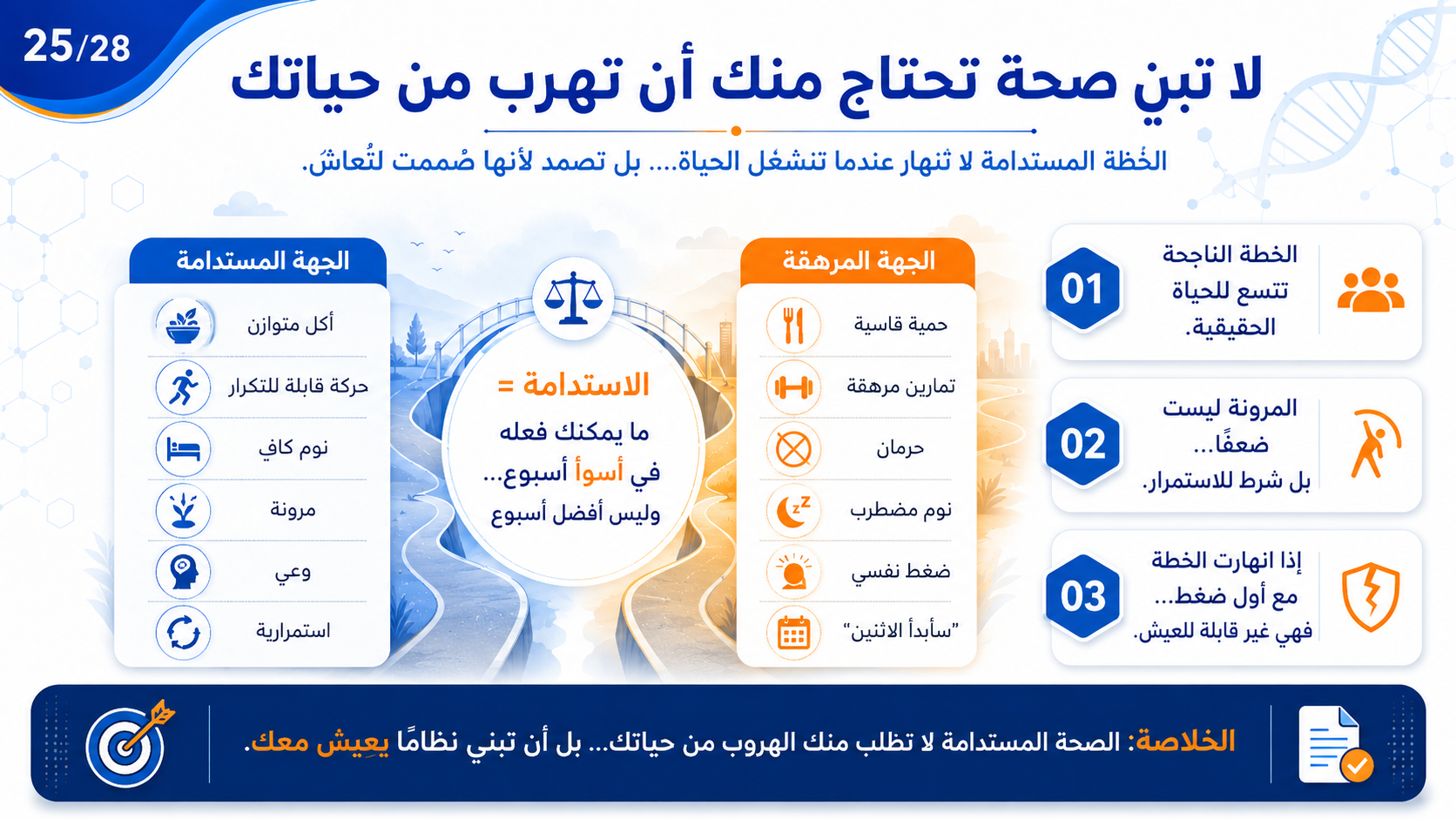
Ein Wiedereinstieg, der zu deinem Alltag passt: Realismus beachten
Der Alltag ist wechselhaft: Reisen, dringende Termine, Familienbesuche oder Wochen mit hoher Arbeitsbelastung. Daher beginnen praktische, lebensfähige Gewohnheiten nicht mit perfekten Plänen, sondern mit flexiblen Optionen. Betrachte „Anpassungsfähigkeit" als zentralen Wert: Welche Gewohnheit lässt sich anpassen, damit sie bestehen bleibt, wenn es hektisch wird? Welcher Teil deines Rituals geht nicht verloren, wenn sich Ort oder Zeit ändern?
Stelle dir ständig die Frage: Dient mir diese Gewohnheit in meinem Leben? Wenn die Antwort nein ist, braucht sie vielleicht eine Anpassung. Nachhaltige Gewohnheiten verlangen keine perfekten Umstände, sie dehnen sich aus, um unter Druck, auf Reisen und bei Veränderungen weiterzuarbeiten. Ein einfaches Beispiel: Statt ein langes tägliches Trainingsziel zu setzen, lege eine kurze, feste Dauer fest, die du auch auf Reisen oder abends nach der Arbeit durchführen kannst. So bleibt die Gewohnheit lebendig, auch wenn ihre Form sich ändert.
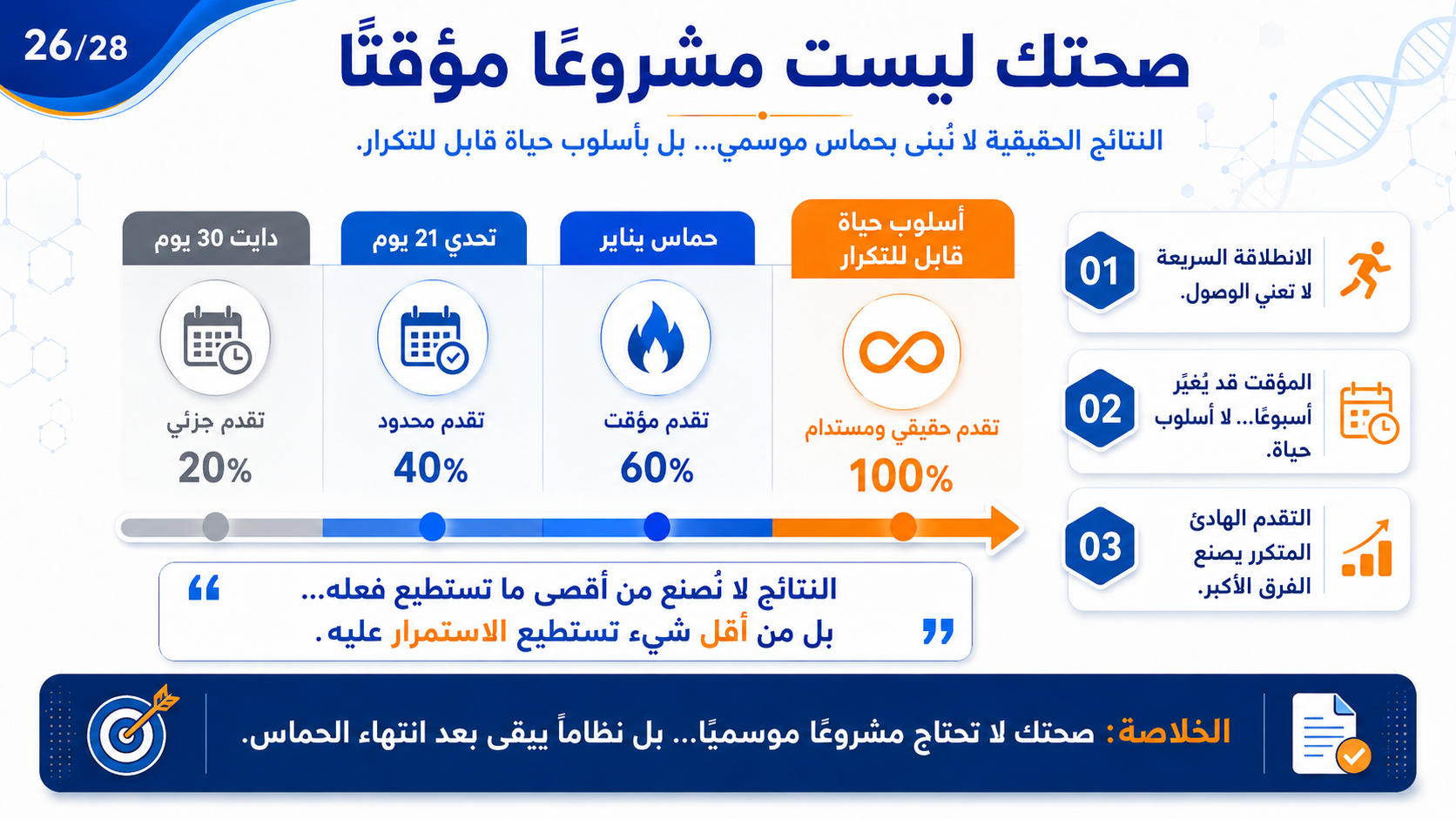
Der Unterschied zwischen kurzfristiger Motivation und einem System, das Platz für das Leben lässt
Kurzfristige Motivation ist stark und inspirierend, aber oft kurzlebig. Menschen starten mit großem Elan, planen einen strengen Rhythmus, doch dieser Elan bricht unter jedem realen Druck zusammen. Ein praktisches, andersartiges System berücksichtigt, dass die „Motivation" nicht immer gleich stark bleibt. Deshalb schafft es Raum für Flexibilität: alternative Anstrengungsstufen (Basisstufe, angemessene Stufe, intensive Stufe) und Austauschoptionen (kurzes statt langes Training, schnelle gesunde Mahlzeit statt zeitaufwändiger Zubereitung).
Ein System, das Spielraum bietet, erkennt an, dass das Leben lebendig und in Bewegung ist. Anstatt Beschränkungen zu setzen, die dich beim ersten Abweichen scheitern lassen, bietet es einen Rahmen, der dich schrittweise und ohne Schuldgefühle zurückführt und jede Versuchung als Lernchance statt als Anklage wertet.
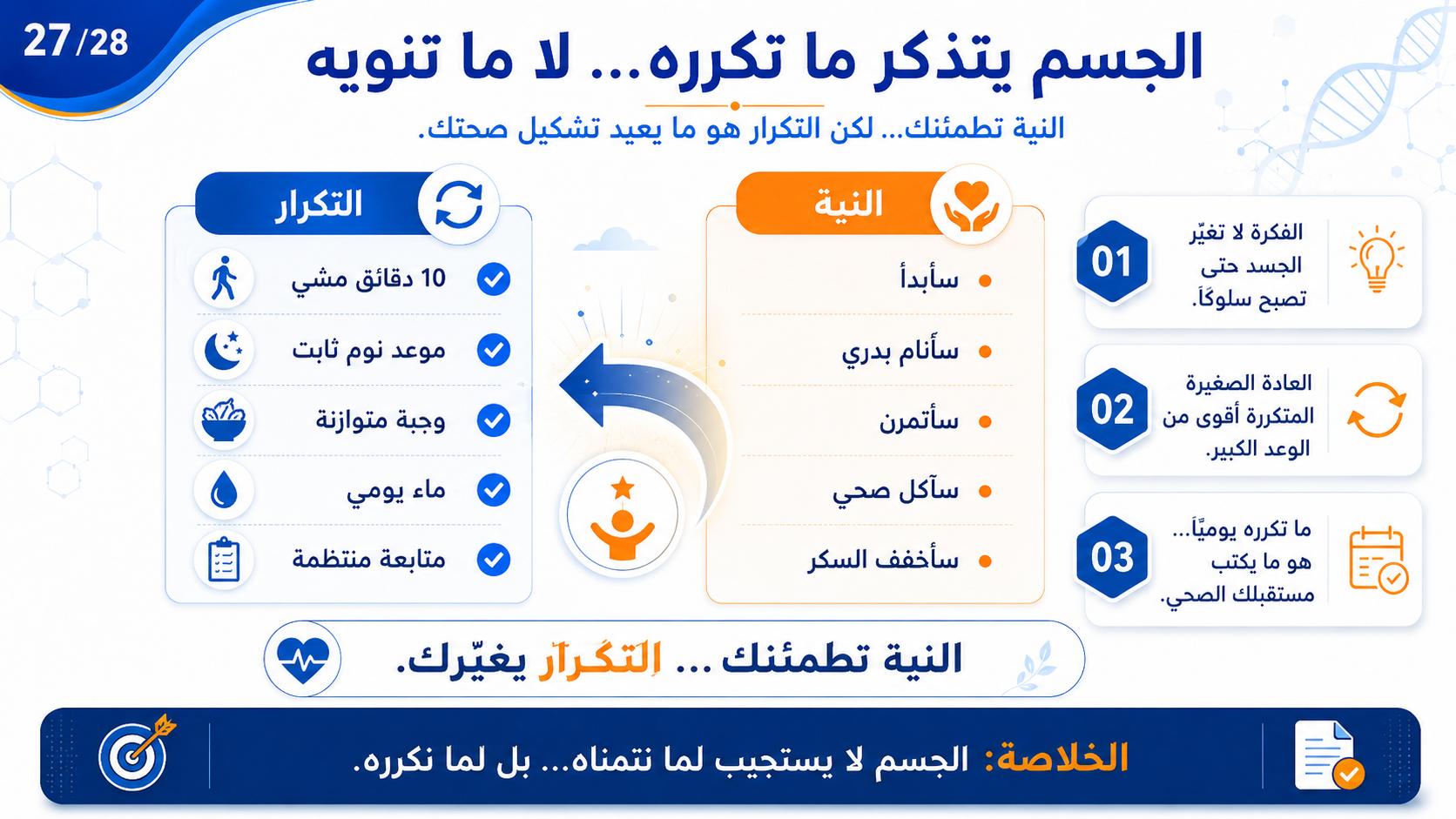
Wie schützen kleine Gewohnheiten dich in einer stressigen Woche?
Kleine Gewohnheiten sind deine Schutzschilde an stressigen Tagen. Unterschätze nicht die Kraft, wenige Minuten täglich zu wiederholen: fünf Minuten bewusstes Atmen, zehn Minuten Spaziergang, drei Schritte zur schnellen Zubereitung einer nahrhaften Mahlzeit. Diese Praktiken erscheinen an perfekten Tagen unbedeutend, aber in stressigen Wochen machen sie einen großen Unterschied. Der Fokus liegt nicht auf der Menge, sondern auf der Beständigkeit: etwas wiederholbar zu tun.
Wähle automatische und leicht umsetzbare Gewohnheiten: eine gut sichtbare Wasserflasche, eine vereinfachte Mahlzeitvorbereitung (z. B. Protein, schnell zuzubereitendes Gemüse, eine einfache Energiequelle), jeden Morgen kurz Bewegung — egal wie wenig. All diese Elemente erhalten dein Gefühl der Verbindung zu deiner Gesundheit, selbst an vollen Tagen.
Wichtig: Erlaube dir ausdrücklich, Erwartungen zu senken, wenn Ressourcen (Zeit oder Energie) schrumpfen. Diese Erlaubnis verwandelt die Beziehung zur Gewohnheit von Leistung in Kontinuität.

Was tun in einer Woche, in der die Routine zusammenbricht?
Wenn dich eine schwierige Woche trifft, geht es nicht darum, dich zu bestrafen oder alles Verlorene auf einmal wiederherzustellen, sondern darum, kleine Elemente zu bewahren, die dir später die Erholung ermöglichen. Erstelle eine kurze Liste von "Erhaltungs‑Erfolgen", die selbst an den härtesten Tagen machbar sind, z. B.:
- den Tag über ausreichend Wasser trinken.
- in mindestens einer Mahlzeit eine Proteinquelle zu sich nehmen.
- fünf Minuten Bewegung oder Atmen in der Tagesmitte.
- digitale Reize in der Stunde vor dem Schlafengehen reduzieren.
Nachhaltigkeit bedeutet, mehrere Kontaktpunkte mit deiner Gesundheitsintention im Tagesverlauf zu schaffen. Diese Punkte müssen nicht groß sein; wichtig ist, dass sie die Verbindung zu deinem Gesamtziel aufrechterhalten und kumulative Rückschritte verhindern.
Zwischen Hilflosigkeit und vorübergehender Pause unterscheiden
Eine vorübergehende Unterbrechung ist kein Versagen. Viele verwechseln das Gefühl von Hilflosigkeit mit einer Realität, die sich nicht anders handhaben lässt. Denk daran: Eine Pause kann ein Lehrzeichen sein — sie liefert Informationen über deine Energiegrenzen, über die Anforderungen deiner aktuellen Zeit und darüber, welche Anpassungen dein Rhythmus braucht, um zu halten. Mach die Pause nicht zum Sturzbrett deines Aufgebens, sondern zur Datenquelle für einen stärkeren Plan.
Wie baust du ein System, das mit Reisen, Arbeit und Druck umgehen kann?
- Entwirf Anwendungsstufen: eine Basisstufe, die du auch auf Reisen beibehältst; eine mittlere Stufe für die meisten Tage; und eine ambitionierte Stufe für ruhige Tage. Diese Stufen ermöglichen es dir, ohne Frustration weiterzumachen.
- Behalte tragbare Praktiken bei: Training ohne Geräte, schnell zubereitbare Mahlzeiten, Schlafhilfen wie Ohrstöpsel oder Schlafmaske für unterwegs.
- Setze auf Prinzipien statt auf Rezepte: Konzentriere dich auf Prinzipien (Protein, tägliche Bewegung, ausreichender Schlaf) statt auf feste Rezepte, die bei veränderten Umständen scheitern.
Gewohnheiten aufbauen: kurze Wiederholung, klare Absicht
Die Absicht hinter einer Gewohnheit verleiht ihr Bedeutung. Wenn dein Ziel klar und mitfühlend in Bezug auf deine Realität ist, wird Wiederholung eher zur einfachen Praxis als zur Pflicht. Beginne damit, für jede Gewohnheit eine kurze Absicht zu formulieren: Warum will ich mich heute bewegen? Warum wähle ich diese Mahlzeit? Warum reduziere ich Bildschirme vor dem Schlafen? Die Absicht schlägt die Brücke zwischen dem, was du möchtest, und dem, was du tust, und verwandelt die Praxis in bewusste Wiederholung statt in bloße Pflicht.
Drei‑Schritte‑Plan für den Wiedereinstieg (kompakt und praxisnah)
Mitgefühl wiederherstellen: Stoppe jetzt die Selbstvorwürfe und erlaube dir drei Tage der „Beobachtung“ ohne Druck. Notiere in diesen Tagen einfach deine Realität: Wann fühlst du Energie? Wann verfällst du in Überforderung? Was fällt dir leichter zu verändern?
Drei grundlegende, wiederholbare Gewohnheiten auswählen: Wähle nur drei kleine Praktiken und nicht mehr (z. B.: sichtbare Wasserflasche, 10 Minuten tägliche Bewegung, 15 Minuten zusätzliche Ruhezeit mit weniger Bildschirmzeit). Mach sie so, dass sie auf Reisen und bei der Arbeit möglich sind.
Schrittweise und Schutzmaßnahmen: Ordne die Gewohnheiten nach Stufen: „Basis — Angemessen — Entwickelt“. Halte dich in vollen Wochen an die Basisstufe und belohne dich mit kleinen Anerkennungen, wenn du zu höheren Stufen aufsteigst.
Dieser Plan will nicht alles auf einmal vereinen. Er lädt dich ein, Schritt für Schritt und konstruktiv zurückzukehren, mit klaren Regeln zum Schutz vor Rückfällen in stressigen Wochen.
Ermutigender Abschluss
Der Wiedereinstieg ist ein gütiger Prozess, keine Verhandlung. Formuliere deine Absichten, lächle über kleine Fortschritte und betrachte jede Wiederholung als Investition in deine Widerstandskraft. Gesundheit, die zum echten Leben passt, verträgt Lücken und begrüßt schwierige Tage, anstatt sie zu verurteilen.
Starte mit einem Wiedereinstieg, der zu deinem Alltag passt
Der Wiedereinstieg kann ruhig sein: Beginne beim metabolischen Gesundheitszentrum, und nutze die metabolische Gesundheitskompass, um deine Fragen zu sammeln und deine Gewohnheiten zu organisieren. Für praktische, einfache Schritte kannst du den Body‑Mass‑Index‑Rechner, den Kalorienrechner, den Wasserrechner und den Fastenrechner verwenden. Weiterführende Lektüre findest du in der Forschungsbibliothek und auf der Feel Great‑Seite.
Einstiegspfad mit Member
Wenn du den offiziellen Produktpfad einsehen möchtest, nutze den offiziellen Member‑Link. Nach Abschluss der Bestellung kannst du deine Bestätigung per WhatsApp senden um den nächsten passenden Schritt und die verfügbare Unterstützungsgruppe zu erfahren. Der Artikel ist lehrend und unterstützend in Bezug auf Gewohnheiten und stellt keine medizinische Diagnose oder ein Versprechen eines bestimmten Ergebnisses dar.
Starte mit einem Wiedereinstieg, der zu deinem Alltag passt
Der Wiedereinstieg kann ruhig sein: Beginne beim metabolischen Gesundheitszentrum, und nutze die metabolische Gesundheitskompass, um deine Fragen zu sammeln und deine Gewohnheiten zu organisieren. Für praktische, einfache Schritte kannst du den Body‑Mass‑Index‑Rechner, den Kalorienrechner, den Wasserrechner und den Fastenrechner verwenden. Weiterführende Lektüre findest du in der Forschungsbibliothek und auf der Feel Great‑Seite.
Einstiegspfad mit Member
Wenn du den offiziellen Produktpfad einsehen möchtest, nutze den offiziellen Member‑Link. Nach Abschluss der Bestellung kannst du deine Bestätigung per WhatsApp senden um den nächsten passenden Schritt und die verfügbare Unterstützungsgruppe zu erfahren. Der Artikel ist lehrend und unterstützend in Bezug auf Gewohnheiten und stellt keine medizinische Diagnose oder ein Versprechen eines bestimmten Ergebnisses dar.
Um die Idee in einen praktischen nächsten Schritt zu verwandeln, entdecke die kostenlosen Gesundheitsrechner und wähle das passende Werkzeug für deinen Alltag.