Understanding Dietary Fiber in Traditional Arab and Gulf Foods
Author: Feras Alayed
Published:
Updated:
Category: fiber-arab-foods
Reading Time: 9 minutes
Understanding Fiber in Arab Foods: A Comprehensive Guide to Dietary Awareness
1. Introduction to Fiber Terminology: Soluble vs. Insoluble Fiber
Dietary fiber is a fundamental component of plant-based foods that remains undigested by human enzymes in the small intestine. Unlike sugars and starches, fiber travels relatively intact to the large intestine, where it performs essential physiological functions. To build a solid foundation of nutritional literacy, it is crucial to distinguish between the two primary types of fiber: soluble and insoluble.
Soluble Fiber: This type of fiber dissolves in water to form a gel-like substance during digestion. It acts by slowing down the transit of food through the digestive tract, which contributes to a prolonged feeling of fullness (satiety). Chemically, soluble fibers include pectins, gums, and mucilages. They are naturally abundant in foods like oats, legumes, and the soft flesh of fruits. Understanding the role of soluble fiber helps individuals appreciate why certain foods have a thickening effect and how they contribute to dietary balance.
Insoluble Fiber: Often referred to as "roughage," insoluble fiber does not dissolve in water and maintains its structural integrity as it moves through the digestive system. Its primary role is to add bulk to the stool and support regular bowel movements by stimulating the intestinal lining. It is found predominantly in the outer skins of fruits, vegetables, and the bran layer of whole grains. A healthy dietary pattern involves a synergy between both types of fiber, ensuring the digestive system functions optimally.
Educational Note: Most whole plant foods contain a mixture of both soluble and insoluble fibers. Therefore, consuming a variety of plant sources is the best strategy for comprehensive intake.
2. Identifying Fiber Sources in Traditional Saudi and Gulf Ingredients
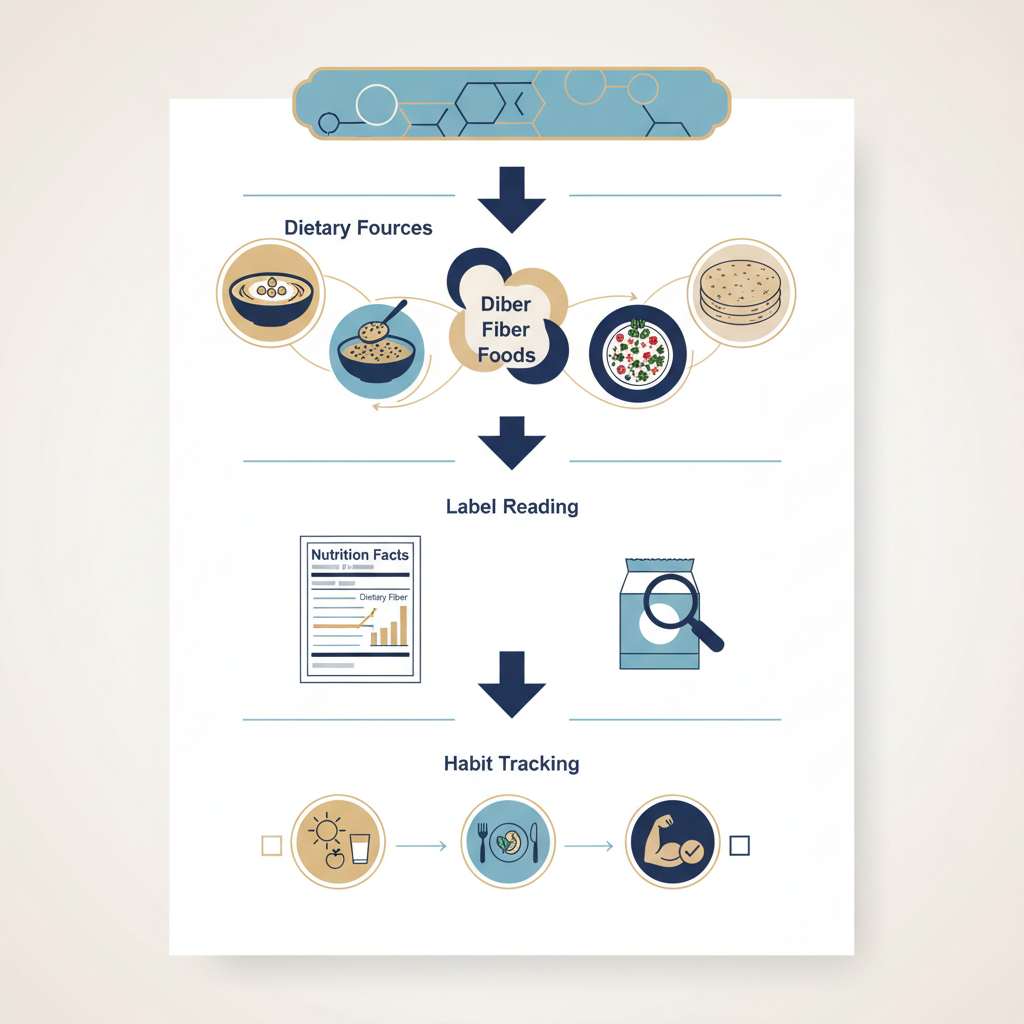
Traditional Khaleeji cuisine is inherently rich in fiber, rooted in ingredients that have sustained the region for centuries. However, modern processing often strips these foods of their natural benefits. Reconnecting with these staples is key to increasing fiber intake. Legumes are perhaps the most significant source; lentils (Adas), chickpeas (Hummus), and fava beans (Foul) are cornerstones of the regional diet. A simple bowl of lentil soup provides a dense concentration of both fiber types.
Whole Grains: Traditional dishes like "Jareesh" and "Harees" utilize whole or cracked wheat. When these grains are prepared in their traditional, minimally processed form, they retain the bran and germ, which are the primary sites of fiber content. Similarly, using whole wheat flour (Daqiq Burr) for homemade breads, "Marquq," and "Matazeez" significantly boosts the fiber profile compared to using refined white flour, which loses most of its nutritional value during milling.
Dates and Local Produce: Dates are a cultural symbol and a nutritional powerhouse. Eating dates with their skin provides essential cellulose fiber. Furthermore, regional vegetables like okra (Bamia), pumpkin (Qara), and leafy greens used in traditional stews (Edamat) contribute significantly to daily totals. Okra, in particular, contains a unique mucilaginous soluble fiber that gives stews their characteristic texture while providing specific digestive benefits. By prioritizing these traditional ingredients, individuals can maintain their cultural heritage while supporting their nutritional goals.
3. Label Reading Skills: Identifying Fiber in Local Market Products
In the modern Gulf marketplace, the ability to interpret "Nutrition Facts" labels is an empowering skill. When examining a label, the first step is to locate "Dietary Fiber," which is typically listed under "Total Carbohydrates." It is vital to check the "Serving Size" first, as the fiber amount listed applies only to that specific portion, not necessarily the entire package.
To evaluate a product's fiber content, use these educational benchmarks: A product providing 2.5 grams of fiber per serving is considered a "good source," while one providing 5 grams or more is considered "high in fiber." Beyond the numbers, look at the ingredients list. Ingredients are listed in descending order by weight. Look for terms like "whole grain wheat," "oats," "barley," or "bran" at the beginning of the list. These are indicators of a high-quality, fiber-rich product.
Be cautious of marketing claims such as "made with natural grains" or "multi-grain," which can be misleading. These terms do not guarantee a high fiber content unless verified by the nutrition table. Additionally, compare similar products—such as different brands of labneh with added seeds or different types of packaged bread—and choose the option with the highest fiber and lowest added sugars. This simple habit can lead to significant cumulative improvements in dietary quality.
4. Daily Habit Journaling: Tracking Fiber Intake and Observing Patterns
Journaling is a transformative tool for developing dietary mindfulness. The goal of a fiber journal is not rigid calorie counting, but rather observing the variety of plant foods consumed and how the body responds to them. Start by recording meals and snacks for a few days, paying close attention to the presence of whole grains, legumes, fruits, and vegetables. For instance, note if a "Kabsa" meal included a side salad or if the rice was substituted with a whole-grain alternative.
When journaling, focus on three pillars: Variety: Are you eating different colors and types of plants? Consistency: Is fiber intake spread throughout the day, or is it all consumed in one sitting? Spreading intake helps the digestive system adjust more comfortably. Well-being: Note your energy levels, how long you feel full after a meal, and general digestive comfort. These observations help identify which fiber-rich foods work best for your unique system.
Crucially, track your water intake alongside fiber. Fiber requires adequate hydration to move effectively through the system. If you increase fiber without increasing water, you may experience temporary discomfort. Reviewing your journal at the end of the week allows you to identify gaps—such as a lack of vegetables at lunch—and make small, manageable adjustments for the following week. This process turns abstract nutritional advice into personalized, actionable data.
5. Preparing Effective Questions for Your Nutritionist
Consulting a registered dietitian or nutritionist is an excellent way to personalize your fiber intake. To make the most of your appointment, come prepared with specific questions that move beyond generalities. Since fiber needs vary based on age, activity level, and health status, professional guidance is invaluable for creating a sustainable plan that fits the Khaleeji lifestyle.
Consider asking the following questions:
- Based on my current health profile, what is the specific daily gram target for fiber that I should aim for?
- How can I modify my favorite traditional recipes, like Jareesh, to maximize fiber without compromising the taste for my family?
- Are there specific types of fiber (soluble vs. insoluble) I should prioritize given my personal health goals?
- What is a safe and gradual schedule for increasing my fiber intake to minimize potential digestive adjustments?
- Does my current fiber intake interfere with any medications or supplements I am taking?
These questions shift the conversation from a passive receipt of a meal plan to an active educational exchange. A nutritionist can also help you navigate local food brands and suggest high-fiber alternatives available in regional supermarkets. This collaborative approach ensures that the dietary changes you make are scientifically sound and culturally relevant, leading to better long-term adherence.
6. Criteria for Evaluating Online Health Information Regarding Fiber
The internet and social media are flooded with health claims, making it difficult to distinguish between evidence-based advice and marketing myths. To evaluate online information about fiber, apply a critical lens. First, check the credentials of the source. Is the information provided by a government health authority, a university, or a certified health professional? Be wary of "influencers" who lack formal training but promote specific fiber supplements or restrictive diets.
Second, look for balance. Any source claiming that fiber is a "miracle cure" for complex diseases should be viewed with skepticism. Fiber is a vital part of a healthy diet, but it works in conjunction with other nutrients and lifestyle factors. Third, examine the evidence cited. If a claim is based on a single study with a very small group of people or only on animal research, it cannot be taken as a universal truth for humans. Reliable information usually reflects a consensus of multiple high-quality studies.
Fourth, distinguish between whole food sources and isolated supplements. While supplements have their place, many online platforms over-promote them as a total replacement for vegetables and grains. Science shows that whole foods offer a complex matrix of phytonutrients that supplements cannot replicate. Finally, always cross-reference information with trusted local sources like the Ministry of Health. Developing this digital literacy protects you from misinformation and helps you make choices based on facts rather than trends.
7. Conclusion: Building Sustainable Awareness in the Gulf Community
Building sustainable awareness about dietary fiber in the Gulf community involves a harmonious blend of honoring tradition and embracing modern nutritional science. Our regional cuisine already possesses the building blocks for a high-fiber diet; the challenge lies in making conscious choices to keep these elements on our tables in an era of convenience and processed foods. Awareness begins at the grocery store, continues in the kitchen, and is reflected in our daily energy and well-being.
Sustainability in nutrition is not about short-term fixes or extreme changes. It is about the small, consistent decisions—choosing whole wheat over white, adding a handful of pulses to a soup, or reaching for a piece of fruit instead of a processed snack. By educating ourselves and the next generation about the value of fiber, we preserve our health and our culinary heritage simultaneously. The ultimate goal is to make the fiber-rich choice the most natural and enjoyable part of our daily lives.
| Nutritional Term | Educational Description |
|---|---|
| Total Fiber | The sum of dietary fiber naturally in food and added functional fiber. |
| Whole Grain | Grains containing the entire grain kernel (bran, germ, and endosperm). |
| Prebiotics | Specialized plant fibers that act as food for good bacteria in the gut. |
| Bran | The hard outer layer of cereal grains, exceptionally high in fiber. |
| Satiety Index | A measure of how effective a food is at keeping you feeling full. |
In conclusion, the journey toward fiber awareness is an ongoing process of learning and refinement. By understanding the terminology, identifying traditional sources, mastering label reading, and seeking professional advice, every individual in the Gulf community can take confident steps toward a more vibrant and health-conscious lifestyle, rooted in the treasures of our authentic kitchen and the clarity of modern science.

Explore health education step by step
Use the educational guides and practical tools to choose your next learning step.