Finland diabetes prevention study DPS: How the Finnish DPS changed diabetes prevention
Author: Feras Alayed
Published:
Updated:
Category: finnish-health
Reading Time: 10 minutes
Key Takeaways
- The Finnish Diabetes Prevention Study (DPS) was one of the world’s earliest trials showing lifestyle change can lower type 2 diabetes risk in people with impaired glucose regulation.[1][2]
- In Finland today, public health systems (terveyskeskus, KELA) use screening and structured lifestyle counselling built on evidence including DPS and national FinHealth data (THL).[3][4]
- Practical Finnish strategies — more whole-grain rye, berries, regular sauna, outdoor activity — align with DPS-style lifestyle goals and national dietary guidance (Ruokavirasto).[5][6]
- Blood sugar targets for identifying risk use mmol/L (e.g., impaired fasting glucose and impaired glucose tolerance thresholds per Duodecim/THL guidance) — early action matters.[7]
- The Feel Great system (soluble fiber Balance, Unimate yerba mate, 4-4-12 intermittent fasting) may help as a non-pharmaceutical lifestyle support when used with healthcare guidance, not as a treatment.[8]
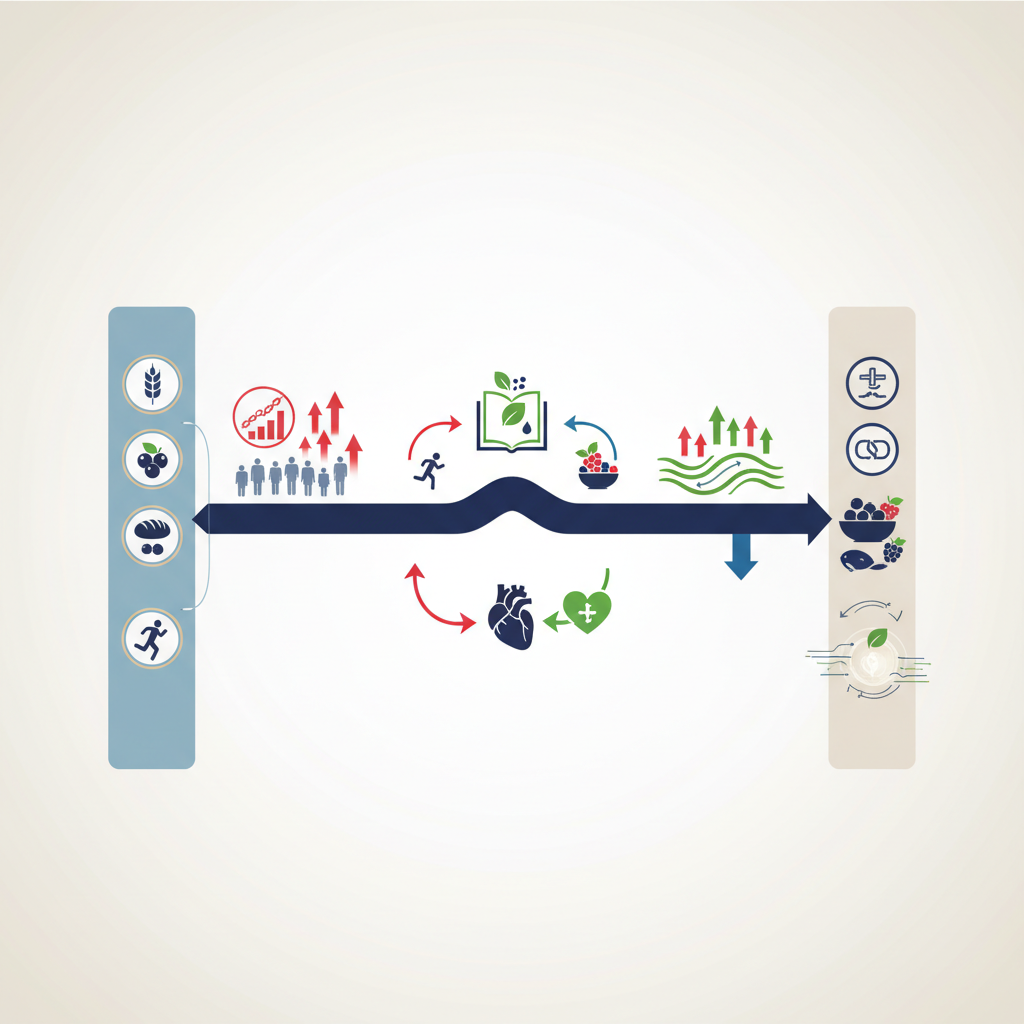
TL;DR
The Finnish Diabetes Prevention Study (DPS) demonstrated lifestyle modification can significantly reduce progression to type 2 diabetes in people with impaired glucose regulation. Finland’s public health approach (terveyskeskus, KELA) now builds on this evidence—combining diet, exercise and structured counselling. The Feel Great system may be a supportive lifestyle tool, used alongside local healthcare advice.
🇫🇮 Want to take action now? Try Feel Great → | Chat with a coach →
Introduction: A surprising Finland statistic
Finland led the way: the Finnish Diabetes Prevention Study (DPS) — begun in the 1990s — was among the first randomized trials to show that targeted lifestyle change reduces progression from impaired glucose regulation to type 2 diabetes [1][2]. Today, THL FinHealth data show that around 450,000 Finns live with diagnosed diabetes and many more have elevated glucose or prediabetes, making prevention central to national health goals [3].
What was the Finland Diabetes Prevention Study (DPS)?
The DPS was a randomized, controlled lifestyle intervention trial in Finland that recruited adults at high risk for type 2 diabetes (impaired glucose regulation) and tested an intensive lifestyle program versus usual care. The DPS focused on weight reduction, increased physical activity, healthier diet (less saturated fat, more fibre) and behavioural counselling. Results were published in peer-reviewed journals and helped shape later trials and national prevention programs [1][2].
Key DPS outcomes (simplified)
- Reduced incidence of type 2 diabetes in the intervention group compared with controls over the trial period [2].
- Demonstrated that achievable lifestyle changes — not medications — can produce meaningful risk reduction in high-risk adults.
- Influenced clinical practice and public health policy in Finland and internationally.
Why DPS mattered for Finland and the world
DPS arrived before large-scale national prevention programs were routine. Its real-world relevance for Finland — a country with strong primary care (terveyskeskus), municipal health services and centralised health data (THL, KELA) — helped translate research into practice. Finnish healthcare could implement screening in primary care, refer motivated patients to group-based lifestyle counselling, and use KELA reimbursement where relevant for structured programs [3][9].
How Finland’s public health system uses the DPS evidence today
Key public institutions reference DPS evidence when designing prevention pathways:
- THL (Finnish Institute for Health and Welfare) publishes FinHealth population data and guidance used to prioritise prevention and screening campaigns [3].
- Diabetesliitto (Finnish Diabetes Association) provides patient-oriented resources and lifestyle counselling recommendations consistent with DPS principles [4].
- Duodecim (Finnish Medical Society) sets clinical thresholds and local care pathways (e.g., when to test, how to interpret fasting glucose and OGTT in mmol/L) used by terveyskeskus clinicians [7].
Practical thresholds to know (mmol/L)
| Test | Normal | Prediabetes / impaired | Diabetes |
|---|---|---|---|
| Fasting plasma glucose (FPG) | <5.6 mmol/L | 5.6–6.9 mmol/L (ADA) / 6.1–6.9 mmol/L (WHO/older) | ≥7.0 mmol/L |
| 2-hour OGTT (75 g) | <7.8 mmol/L | 7.8–11.0 mmol/L | ≥11.1 mmol/L |
| HbA1c (IFCC) | <39 mmol/mol | 39–47 mmol/mol | ≥48 mmol/mol |
Note: Finland’s clinical guidelines (Duodecim/THL) use mmol/L and local thresholds; clinicians in terveyskeskus evaluate results in context and may repeat testing or order OGTTs [7].
What the evidence beyond DPS shows (international perspective)
DPS was followed by the US Diabetes Prevention Program (DPP) and many systematic reviews. Key international findings include:
- DPP (NEJM) showed lifestyle intervention reduced diabetes incidence by ~58% vs. placebo over ~3 years [10].
- Meta-analyses and Cochrane reviews conclude structured diet & activity programs reduce progression to type 2 diabetes across settings, though long-term adherence affects durability [11][12].
- Real-world translation studies show group-based counselling, digital programs and primary-care delivered interventions can reproduce some benefits when resources and follow-up are sustained [13][14].
Applying DPS lessons in Finland: practical, culturally relevant steps
Below are practical actions that reflect DPS-style goals and Finnish lifestyle strengths.
- Screen early at your terveyskeskus: If you have risk factors (overweight, family history, high blood pressure, age), book testing — fasting glucose, HbA1c or OGTT — and discuss results in mmol/L with your nurse or doctor. Many municipal services offer risk screening; KELA may reimburse structured programs in some cases [3][9].
- Focus on whole foods common in Finland: Increase whole-grain rye bread (ruisleipä), porridge made from oats/rye, and native berries (bilberries, cloudberries) for fibre and antioxidants; follow Ruokavirasto guidance on balanced meals [5].
- Move outdoors and use the sauna culture: Regular brisk walking, cross-country skiing, cycling and even consistent sauna routines tied to active recovery fit Finnish life and may support cardiometabolic health when combined with exercise [3][15].
- Use structured counselling and peer support: Find group programs through Diabetesliitto or municipal health services. DPS-style counselling emphasised small, sustainable changes rather than extreme diets [2][4].
- Sleep, stress and behaviour: Behavioral techniques used in DPS — goal-setting, self-monitoring and social support — are core to long-term success. Finland’s public health materials include behavioural tools to help maintain changes [2][3].
Comparison: DPS-style lifestyle program vs. common shortcuts
| Approach | DPS-style lifestyle program | Common shortcuts |
|---|---|---|
| Primary goal | Reduce progression to diabetes via diet, activity, weight loss and behaviour change | Crash diets, quick fixes, supplements alone |
| Evidence base | Randomized trials (DPS, DPP) and systematic reviews | Limited or no long-term RCT evidence |
| Typical sustainability | Higher when supported by counselling and community | Often short-term, high relapse risk |
How Feel Great helps (where it fits)
Feel Great is a lifestyle support system designed to be used alongside clinical care and public health guidance — not as medication. Key components and how they relate to DPS-style goals:
- Balance (soluble fiber matrix): Aims to blunt post-meal glucose response by adding soluble fiber to meals, consistent with DPS’s emphasis on high-fibre diets. Soluble fibre may help reduce glycaemic spikes and increase satiety when used with whole-food meals [8][11].
- Unimate (yerba mate extract): Contains chlorogenic acids and natural compounds for alertness and may help with energy management and adherence to activity plans; it is a non-pharmaceutical beverage support in line with behavioural strategies for sustaining lifestyle habits [8][16].
- 4-4-12 intermittent fasting protocol: The structured meal timing in 4-4-12 can be a behavioural tool to reduce late-night eating or create regular eating windows, which some individuals find helpful for weight and glucose control. Intermittent fasting approaches may help some people but should be discussed with a clinician, especially if on medications [8][17].
Important: Feel Great is a lifestyle support system with clinical references listed in the PDR (50+ clinical studies), and it should be used as part of a plan developed with your terveyskeskus or diabetes nurse — not as a replacement for medical advice, medication or structured treatment when needed.
People Also Ask
- What is the Finland diabetes prevention study DPS? A randomized lifestyle trial in Finland showing that targeted lifestyle change reduced progression to type 2 diabetes in high-risk adults [1][2].
- How does Finland screen for prediabetes? Through fasting glucose, HbA1c and OGTT testing in primary care; thresholds are interpreted in mmol/L and local guidance (Duodecim/THL) is followed [7].
- Are DPS results relevant today? Yes — DPS helped shape modern prevention programs; subsequent international trials and systematic reviews reaffirm the role of lifestyle intervention in risk reduction [10][11].
- Can Finnish foods help lower diabetes risk? Diets rich in whole-grain rye, oats, berries and fish align with national guidance and DPS principles and may help with weight and glucose control when part of overall healthy eating [5][6].
- Is Feel Great a treatment for diabetes? No — Feel Great is a lifestyle support system that may help some people manage their glucose responses and energy; discuss with your healthcare provider before use [8].
FAQ
- How much weight loss did DPS target? DPS encouraged modest weight loss (5–7% body weight) and increased physical activity — goals similar to later trials like the DPP [2][10].
- What role do Finnish public services play? Terveyskeskus provides screening and counselling. KELA may cover some services; Diabetesliitto and THL provide patient resources and national data to guide programs [3][4][9].
- Should I change medication if using lifestyle programs? Any medication changes must be done under medical supervision at your terveyskeskus—do not stop or adjust meds without consulting your clinician.
- Are digital programs effective? Some digital and group programs replicate elements of DPS and DPP; evidence shows variable effectiveness depending on intensity and follow-up [13][14].
- How soon do benefits appear? Many participants see improved fasting glucose and weight within months, but long-term maintenance is the challenge; regular follow-up with primary care helps sustain progress [2][10][11].
References & Scientific Sources
- Tuomilehto J, et al. Prevention of type 2 diabetes by changes in lifestyle among subjects with impaired glucose tolerance: the Finnish Diabetes Prevention Study (DPS). Diabetes Care. 2001. PubMed: https://pubmed.ncbi.nlm.nih.gov/11333990/
- Finnish Diabetes Prevention Study Group. Major DPS results and follow-ups — summaries available via University of Helsinki and DPS publications. University of Helsinki news & DPS archives: https://www.helsinki.fi/en
- THL (Finnish Institute for Health and Welfare). FinHealth Study & diabetes statistics and prevention material. https://thl.fi/en/web/thlfi-en/research-and-expertwork/population-studies/finhealth-study
- Diabetesliitto (Finnish Diabetes Association) — patient resources, screening and national support programs. https://www.diabetes.fi
- Ruokavirasto (Finnish Food Authority) — national dietary guidance and recommendations relevant to glucose regulation. https://www.ruokavirasto.fi
- Finnish Medical Society Duodecim — local clinical guidelines for diabetes screening and thresholds (mmol/L). https://www.duodecim.fi
- KELA & municipal healthcare (terveyskeskus) information on access to prevention programs and reimbursements. https://www.kela.fi
- Feel Great product information and PDR listing (clinical references overview). Manufacturer materials and PDR listing: (internal PDR/Feel Great resources) https://www.pdr.net and company materials (consult product PDR listing).
- Knowler WC, et al. Reduction in the incidence of type 2 diabetes with lifestyle intervention or metformin. Diabetes Prevention Program Research Group. NEJM. 2002. PubMed: https://pubmed.ncbi.nlm.nih.gov/11832527/
- Cochrane Database/Systematic reviews on lifestyle interventions for preventing type 2 diabetes (search results & reviews). https://www.cochrane.org
- Recent meta-analyses and systematic reviews (2021–2024) summarizing lifestyle intervention effectiveness — examples in Lancet Diabetes & Endocrinology, BMJ and JAMA Network Open (searchable PubMed records). Examples: recent systematic reviews on lifestyle programs and real-world effectiveness: https://pubmed.ncbi.nlm.nih.gov/ (search relevant reviews 2021-2024)
- Studies on yerba mate, chlorogenic acids and metabolic markers (examples): PubMed overview and meta-analyses on chlorogenic acid effects on glucose metabolism. https://pubmed.ncbi.nlm.nih.gov/ (search)
Note: For clarity and clinical decisions, consult your local terveyskeskus, diabetes nurse, or physician. The references above include key Finnish sources (THL, Diabetesliitto, Duodecim) and major international trials (DPS, DPP). Use primary sources and your healthcare providers to guide testing and treatment decisions.

Medical Disclaimer
This article is for educational purposes and does not replace professional medical advice. It does not provide medical diagnosis or treatment. Always consult your physician, diabetes nurse or terveysasema before starting new diets, supplements, or exercise programs. Feel Great is a lifestyle support system and not a medication. Do not stop or change prescribed treatments without medical supervision.
Related ATHAR paths
🇫🇮 Ready to Start Your Health Transformation?
Join thousands across Finland who have improved their metabolic health with the Feel Great system. Backed by 50+ clinical studies and listed in the Physicians' Desk Reference (PDR).
✅ Free Delivery in Finland | 90-Day Money-Back Guarantee