Health Literacy Guide: Understanding Fiber Terms in Arab and Gulf Foods
Author: Feras Alayed
Published:
Updated:
Category: fiber-arab-foods
Reading Time: 11 minutes
Nutritional Awareness Guide: Understanding Fiber Terminology in Arab and Gulf Foods
1. Introduction to Scientific Terms for Dietary Fiber in a Local Context
Dietary fiber is a cornerstone of a balanced diet, yet it is often surrounded by ambiguity in local nutritional culture. Scientifically, fiber is a type of complex carbohydrate found in plants that the human body cannot digest or absorb in the small intestine. Instead, these components pass through the digestive system to the colon. In our Arab context, we use the term "Fiber" (Al-Alyaf) to refer to a broad range of plant chemical compounds, primarily classified into two types: soluble and insoluble fiber.
Soluble fiber absorbs water to form a gel-like substance inside the gut. It is abundant in oats, legumes, and the flesh of fruits like apples and citrus. Insoluble fiber, on the other hand, does not dissolve in water and acts as a "bulking" agent that aids the movement of food through the digestive tract. It is found in the skins of whole grains, leafy vegetables, and nuts. It is crucial to understand that these fibers are not just "waste"; they are vital substrates for the fermentation process carried out by beneficial bacteria in the large intestine, medically known as prebiotics.
In Gulf societies, fiber was historically linked to simple traditional foods. However, with the shift toward processed foods, we have begun to lose the precise terminology to describe what we eat. Understanding the difference between "Bran," "Germ," and "Endosperm" in grains like wheat and barley is an essential first step. Fiber is primarily concentrated in the bran, the outer shell often removed during the refining process to produce the fine white flour seen in modern bakeries. Returning to these terms helps us evaluate the quality of our food beyond superficial marketing.
2. Decoding Food Labels: What Do Fiber Claims on Products Mean?
As you browse markets in the region, you will find many products with bright labels claiming health benefits related to fiber. To decode these labels, one must first look at the "Nutrition Facts" panel rather than the marketing slogans on the front. Specific terms are regulated by local and international standards. For instance, the phrase "Source of Fiber" usually means the product contains a certain amount of fiber per 100 grams, while "High Fiber" indicates nearly double that amount. These nuances are vital for the conscious consumer seeking to improve their diet quality.
Attention must also be paid to the ingredients list. If the first ingredient is "wheat flour" without the word "whole," it means the natural fiber has been partially or entirely removed. Look for terms like "Whole Grain," "Barley Bran," or "Whole Wheat Flour" (Daqiq Al-Bur). Sometimes, isolated fibers are added to processed products to boost their nutritional value, such as "Inulin" or "Root Fiber." These added fibers may not provide the same biological diversity as those found naturally in whole foods.
A key educational tip: Do not just read the word "fiber"; look at the added sugar content in the same product. Often, biscuits or breakfast cereals are marketed as high-fiber while containing high amounts of sugars that may offset the intended benefit. The goal of reading the label is to get a complete picture of nutritional balance, not just to focus on one element. Learn to compare two products in the same category and choose the one with a shorter, clearer ingredient list regarding plant fiber sources.
3. Identifying Fiber Components in Traditional Gulf Grains and Legumes
Traditional Gulf and Arab cuisine is rich in natural fiber sources that were the foundation of physical strength for previous generations. Whole grains like Jareesh and Harees are living examples of whole wheat that retains its bran and germ. Jareesh, which is cracked wheat, contains insoluble fiber that contributes to a long-lasting feeling of fullness, explaining its traditional use in meals preceding periods of fasting or hard labor. Barley, used in making "Talbina," is also one of the richest sources of a special type of fiber called beta-glucan, known for its unique physical properties in the digestive tract.
Legumes are the second pillar of the traditional food pyramid. Fava beans, lentils, chickpeas, and black-eyed peas are not just sources of plant protein; they are mines of soluble fiber. For example, the dish "Mujadara," which combines lentils with whole rice (or bulgur), represents a complete meal in terms of different fiber types. Dates, the national fruit of the Gulf, contain a complex mix of fiber and natural sugar; a single date provides a significant amount of fiber that slows the absorption of its sugars, making it an excellent educational example of how fiber works in nature.
It is also important to mention leafy and seasonal vegetables like watercress (Baqal), radish, and pumpkin. These foods provide structural fiber that helps clean the digestive system and provides a fertile environment for the gut microbiome. Reintegrating these components into our modern diet requires awareness of preparation methods; cooking legumes for long periods or soaking them helps make the fiber easier to digest and reduces the gas that may accompany a sudden increase in fiber intake. Awareness of the components of our traditional plate is the first step toward restoring lost nutritional balance.
4. The Importance of Food Journaling: How to Create a Daily Fiber Log
Journaling is a powerful educational tool that enables individuals to monitor their behavioral patterns and understand their body's needs more deeply. Creating a daily fiber log is not about counting calories; it aims to build awareness of the types and quantities we consume. Start by dedicating a notebook or a simple app to record everything you eat for a week. Do not just focus on main meals; record snacks and drinks as well. When reviewing this log, you will be able to notice gaps, such as days when your meals lack vegetables or days when you rely entirely on white bread.
When journaling, try to categorize the fiber you consumed. Was it from a natural source (vegetables, fruits, whole grains) or from fortified products? Also, record your physical feelings after meals; did you feel full long enough? Did you notice any changes in energy levels? This link between what we eat and how we feel is the core of self-health education. A daily log also helps you identify "blind spots" in your diet, such as an over-reliance on juices that lack fiber instead of whole fruit.
To make this process effective, use a simple checklist at the end of each day:
- Did I eat at least three servings of vegetables?
- Did I replace white bread with a whole-grain option?
- Did I add a type of legume to at least one meal?
- Did I drink enough water to help the fiber do its job?
5. Evaluating Health Information: Distinguishing Facts from Myths About Fiber Online
In the digital information age, the internet is filled with conflicting health claims about fiber. It is essential to develop critical thinking skills to distinguish scientific facts from marketing myths. One common myth is that "all fiber is equal," while the truth is that each type of fiber has a different biological function and impact on the body. Another myth claims that consuming massive amounts of fiber suddenly is the ultimate solution for digestion problems, while scientific truth confirms that the increase must be gradual with a simultaneous increase in water intake to avoid intestinal discomfort.
There are also trends promoting "detox diets" that rely on liquids lacking fiber to clean the body, which contradicts science; fiber is the body's natural cleanser because it helps eliminate waste regularly. When reading an article or watching a video, ask yourself: Is the source medical or commercial? Is there an exaggeration in the promises? Is fiber linked to a specific exclusive product? Reliable information is usually balanced, encourages a variety of food sources, and does not offer quick magic solutions.
Remember that fiber is not a medicine that treats diseases directly; it is a nutritional element that supports natural body functions. Avoid being swayed by complex scientific terms sometimes used to mislead consumers. Instead, rely on recommendations from official health authorities and recognized nutritional organizations. Health education means being the judge of what enters your body based on a solid understanding of nutritional principles, not based on the number of "likes" a social media post receives.
6. Preparing an Effective List of Questions for Discussing Fiber with a Dietitian
An educational visit to a dietitian is a golden opportunity to customize information to suit your individual needs. To make this session productive, you should come prepared with specific and clear questions. Instead of the general question "What should I eat?", try asking questions that reflect your nutritional awareness. For example: "Based on my current physical activity, what is the ideal ratio between soluble and insoluble fiber in my meals?" or "How can I modify traditional Gulf recipes to increase their fiber content without drastically changing the taste?"
It is also important to discuss potential interactions; ask: "Does the amount of fiber I eat affect the absorption of certain vitamins or minerals?" or "How can I manage increasing fiber intake if I have a sensitive digestive system?". If you use nutritional supplements or take certain medications, inquire about the optimal timing for fiber intake to ensure no interference occurs. A dietitian can also help you read the food labels of products you buy regularly from the local cooperative or supermarket.
Use this list as a reference for your next visit:
These questions transform you from a passive recipient of information into an active participant in managing your health, making the specialist's advice more accurate and useful for your daily life.
- What are the local alternatives to imported grains that provide the same amount of fiber?
- How can I distribute fiber servings throughout the day to avoid bloating?
- Are there specific types of fiber you recommend I focus on to improve my energy levels?
- How do I distinguish between natural fiber and synthetic fiber added to canned foods?
7. Practical Steps to Enhance Health Awareness While Shopping in Local Markets
Shopping consciously is the practical application of everything you have learned about fiber. When you enter the supermarket, always start with the fresh produce section. The general rule is that foods without labels (like vegetables and fruits) are often the richest in natural fiber. Choose dark-colored vegetables and fruits that are eaten with their skins. In the bakery section, skip the white bread and look for bread where wheat or barley grains are clearly visible. Do not be fooled by the brown color alone; some bakeries use caramel to color bread, so ensure the word "whole" is in the ingredients.
In the legumes section, it is preferable to buy dry beans rather than canned ones if time permits, as they give you full control over preparation and cooking. If you choose canned goods, rinse them thoroughly with water to reduce added sodium. When choosing snacks, replace fried chips with raw nuts or seeds (like pumpkin or sunflower seeds) that provide fiber and healthy fats. Also, learn to explore ancient grain sections like quinoa, freekeh, and millet, which are becoming widely available in our Gulf markets and are excellent alternatives to white rice.
Finally, make shopping an educational experience for your children or family members. Share with them how to choose ripe fruit and explain why we choose brown bread. Health awareness starts from the shopping cart, and every choice you make is a vote for your long-term health. Remember that the goal is not perfection, but gradual improvement in the quality of choices. By focusing on whole foods and reducing refined ones, you will find that increasing your fiber intake becomes an easy, automatic process and an integral part of your contemporary Gulf lifestyle.
| Arabic Term | English Term | Educational Description |
|---|---|---|
| ألياف قابلة للذوبان | Soluble Fiber | Turns into a gel in water and slows digestion. |
| ألياف غير قابلة للذوبان | Insoluble Fiber | Increases stool bulk and speeds up food passage. |
| حبوب كاملة | Whole Grains | Grains containing the bran, germ, and endosperm. |
| النخالة | Bran | The hard outer shell of the grain, rich in fiber. |
| البريبايوتكس | Prebiotics | Specialized fibers that feed beneficial gut bacteria. |
| كربوهيدرات معقدة | Complex Carbohydrates | Long chains of sugars that take longer to digest. |

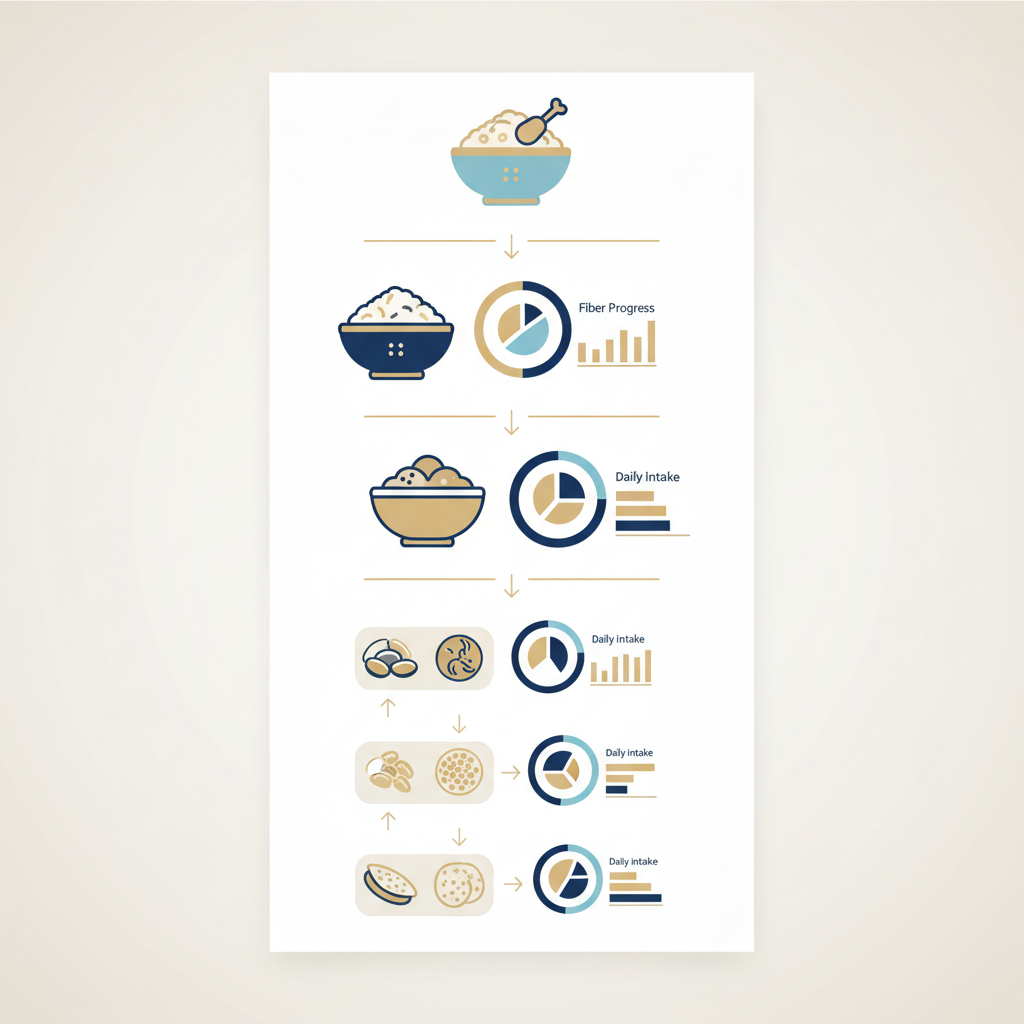
Explore health education step by step
Use the educational guides and practical tools to choose your next learning step.
Continue your next step with ATHAR
Explore the official Feel Great member path, or learn about the creator partnership route if you are interested in sharing wellness education with your audience.
Explore Feel Great · Explore the Creator Affiliate gateway · Ask a question on WhatsApp