القلق في كندا: كيف تساهم التغذية في تحسين الأعراض
Author: Feras Alayed
Published:
Updated:
Category: canadian-health
Reading Time: 11 minutes
Key Takeaways
- Anxiety affects millions of Canadians; nutrition is one modifiable factor that may help reduce symptoms alongside therapy and medication.
- Stable blood sugar (e.g., fasting 4.0–5.6 mmol/L), regular protein, soluble fibre and healthy fats can reduce physiological triggers of anxiety.
- Specific nutrients — omega‑3s, vitamin D, B‑vitamins, magnesium, and beneficial probiotics — have emerging evidence for anxiety symptom support.
- Canada‑specific factors (long winters, provincial healthcare access differences, food environment) shape practical nutrition plans.
- Feel Great (Balance, Unimate, 4‑4‑12 fasting) may be used as a lifestyle support option alongside medical care and evidence‑based treatments.
TL;DR
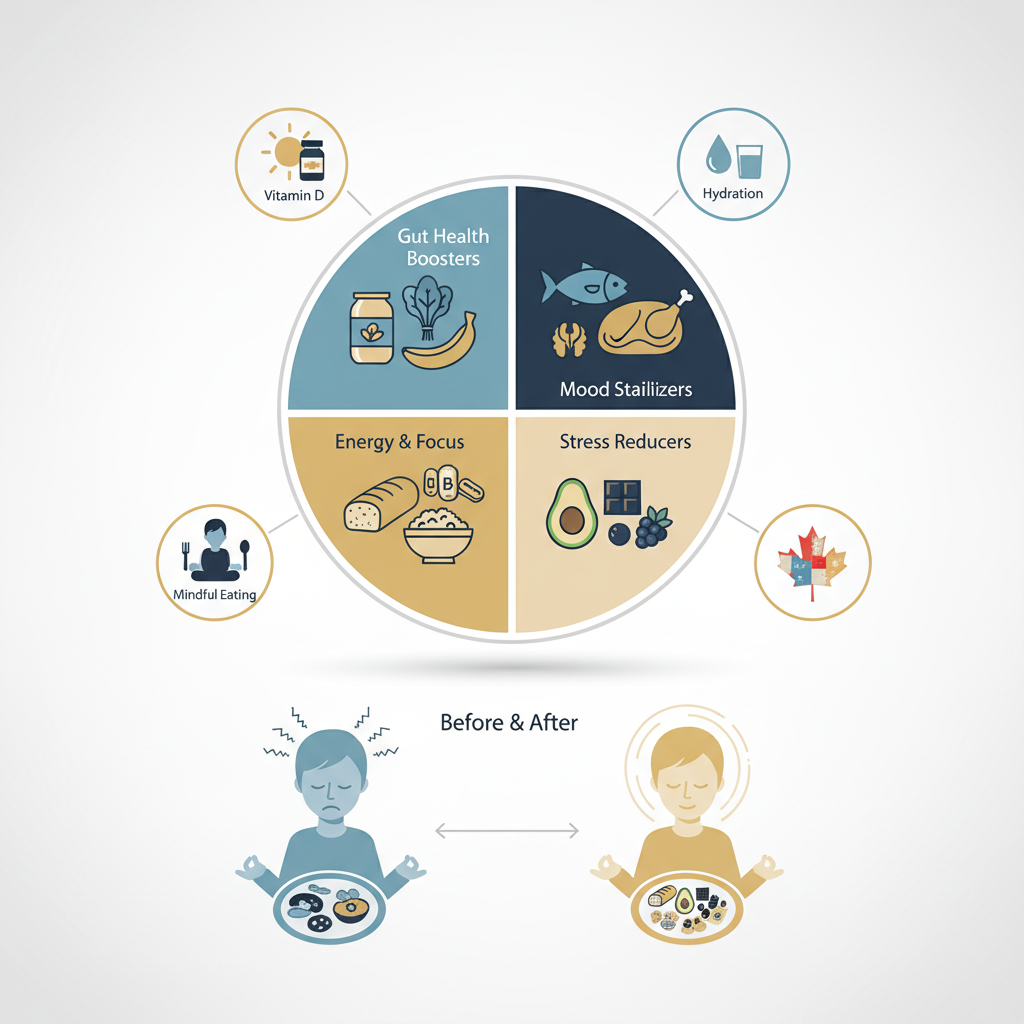
Anxiety nutrition Canada: Dietary patterns that stabilise blood sugar, reduce inflammation and support gut health may help lower anxiety symptoms. Combine whole foods, vitamin D in winter, omega‑3s, and consistent meal timing with provincial healthcare support and mental health services. (Cites: Health Canada, Statistics Canada, CIHI, Diabetes Canada, CMHA)
🇨🇦 آلاف الكنديين يستخدمون Feel Great لدعم صحتهم الأيضية بشكل طبيعي. اعرف المزيد واطلب من هنا ←
Anxiety in Canada: How Nutrition Can Help
Introduction — a stark Canadian snapshot
Mental health challenges are common across Canada. According to Statistics Canada, during and after the COVID‑19 pandemic many Canadians reported elevated anxiety symptoms; in some surveys roughly 1 in 4 adults reported moderate to severe anxiety or depressive symptoms (Statistics Canada). The Canadian Mental Health Association (CMHA) notes anxiety disorders affect millions and are among the most frequently diagnosed mental illnesses in Canada (CMHA). These realities make practical, accessible strategies—like nutrition—important pieces of a broader mental health approach (Health Canada).
Why nutrition matters for anxiety (basic biology)
Anxiety is multifactorial: genetics, life stressors, brain chemistry, sleep and physical health all interact. Nutrition influences several of these pathways:
- Blood sugar and autonomic responses: Rapid glucose swings can provoke palpitations, sweating and a sense of panic. Maintaining stable blood glucose (fasting targets ~4.0–5.6 mmol/L) may reduce physiological anxiety triggers (Diabetes Canada).
- Neurotransmitter production: Amino acids from dietary protein provide precursors (e.g., tryptophan → serotonin). B‑vitamins are cofactors in neurotransmitter synthesis.
- Inflammation and oxidative stress: Diets high in ultra‑processed foods may increase low‑grade inflammation linked to poorer mental health outcomes (CIHI; CMAJ reviews).
- Gut‑brain axis: Gut microbiome composition can influence stress response and mood through immune, endocrine and neural pathways; probiotics and prebiotic fibres show promise in small trials.
Canadian data: prevalence, access and seasonality
Key Canada‑specific facts to guide nutritional planning:
- Prevalence: Recent Statistics Canada analyses and CIHI reports show elevated anxiety and mood symptoms across provinces since 2020, with young adults and women reporting higher rates (Statistics Canada; CIHI).
- Healthcare access: Mental health services differ by province—Ontario and Quebec have larger specialist networks but also long wait times; British Columbia and Alberta offer province‑wide telehealth programmes and community teams. Many Canadians first consult family doctors or walk‑in clinics for anxiety (Health Canada).
- Seasonal impact: Long winters and limited sun exposure in many regions increase risk of low vitamin D and seasonal mood changes — relevant for mental health and anxiety management (Health Canada; Public Health Agency of Canada).
- Comorbidity with cardiometabolic disease: Anxiety commonly coexists with diabetes and heart disease; Diabetes Canada and Heart & Stroke Foundation note the importance of integrated lifestyle care (Diabetes Canada; Heart & Stroke).
Evidence‑based nutrition approaches that may help anxiety
Below are dietary patterns and nutrients ranked by evidence (systematic reviews/meta‑analyses > RCTs > cohorts). Citations include Canadian and international research.
1. Overall dietary pattern: Mediterranean‑style and whole‑food diets
Systematic reviews and cohort studies suggest that dietary patterns rich in vegetables, fruit, whole grains, legumes, fish, nuts and olive oil are associated with lower risks of anxiety and depression symptoms (Meta‑analyses: 2021–2023; see PubMed links in references). In Canada, following Canada's Food Guide's emphasis on plant‑forward meals aligns with this evidence and is practical across provinces.
2. Stable meal timing and blood sugar control
Hypoglycaemia and high glycaemic variability can provoke anxiety symptoms (palpitations, shakiness). Practical steps: eat regular meals with protein, healthy fats and soluble fibre (oats, legumes, psyllium) to flatten post‑meal glucose peaks. Diabetes Canada guidelines for glycaemic targets (fasting ~4.0–5.6 mmol/L; postprandial targets) are useful references for clinicians working with patients who also have anxiety.
3. Omega‑3 polyunsaturated fatty acids (EPA/DHA)
Meta‑analyses of randomized trials suggest modest benefits of omega‑3s (particularly higher‑EPA formulations) for mood and anxiety symptoms (recent systematic reviews 2021–2024). Sources: cold‑water fish (salmon, trout), fortified foods, and high‑quality supplements. In Canada, provincial food programs and fish availability (BC to Newfoundland) make dietary sources accessible; for supplements choose Health Canada‑regulated products where possible.
4. Vitamin D
Low vitamin D status is common in Canada during winter months and has been linked to worse mood and anxiety symptoms in observational studies. Randomised trials show mixed but suggestive results that correcting deficiency (guided by blood tests, provincial labs) may help some people. Public Health Agency of Canada and Health Canada provide dosing guidance; consider checking 25‑OH vitamin D with your family doctor, especially in northern regions and in winter.
5. B‑vitamins and magnesium
B‑vitamin complex (B6, B9/folate, B12) and magnesium are cofactors in neurotransmitter synthesis and stress modulation. Meta‑analyses and RCTs show small to moderate benefits for anxiety symptoms when used as targeted supplements or through balanced diets (leafy greens, legumes, whole grains, nuts).
6. Probiotics and prebiotics (gut‑brain axis)
Systematic reviews of probiotic trials (psychobiotics) show modest reductions in anxiety symptoms in some populations. Prebiotic fibres (inulin, resistant starch) and fermented foods (yoghurt, kefir) may support beneficial microbes. Canadian research centres (e.g., University of Toronto nutrition research) are active in this area; results are promising but not yet definitive.
7. Caffeine, alcohol and stimulants
Caffeine and alcohol can worsen anxiety for some people. Recommend individualised limits: many clinicians suggest monitoring caffeine intake and avoiding late‑day consumption. Alcohol is associated with increased anxiety over time and may disrupt sleep (Heart & Stroke; PHAC).
Practical, Canadian‑friendly meal and lifestyle plan
Below is a practical plan that uses Canadian foods, seasonal considerations and provincial access realities.
- Breakfast: Overnight oats with flax, walnuts, Greek yoghurt (or fortified plant alternative), berries, and a small handful of pumpkin seeds (protein + omega‑3 ALA + fibre).
- Lunch: Mixed greens, lentils, roasted sweet potato, grilled salmon (or canned BC/Atlantic salmon), vinaigrette with olive oil. Adds soluble fibre and omega‑3s.
- Snack: Apple with natural peanut butter or a small serving of cottage cheese — stabilises blood sugar.
- Dinner: Stir‑fry with tofu or lean poultry, mixed seasonal vegetables, brown rice or barley, and miso or fermented condiment for probiotics.
- Supplements (if needed, after discussing with a provider): vitamin D (especially Oct–Apr in northern areas), omega‑3 EPA/DHA for those low in fish intake, magnesium in those with poor dietary intake, and a multivitamin/B‑complex when dietary gaps are present.
- Meal timing & routine: Aim for regular meals; consider the 4‑4‑12 intermittent fasting rhythm as a structured approach (see Feel Great section) only if it suits your routine and medical conditions.
Provincial notes — how access and culture shape nutrition for anxiety
Ontario: large urban centres offer more mental health nutritionists and integrated clinics but wait times vary; telehealth programs are abundant.
British Columbia: stronger catchment for seafood (salmon), community nutrition programs in some health authorities, and telehealth mental health options.
Alberta: mixed rural–urban access; workplace health programmes can be leveraged for nutrition resources.
Quebec: provincial public health nutrition resources and community clinics provide culturally adapted programmes; bilingual resources are common.
All provinces: many nutrition supplements and Feel Great products ship across Canada (BC to Newfoundland). Always check provincial formulary and private coverage for dietitian services—some employer plans and extended health benefits include registered dietitian counselling.
How valid is the evidence? — ranking and context
Evidence is strongest for overall dietary patterns (systematic reviews and high‑quality cohort data). Nutrient‑level evidence (omega‑3s, probiotics, vitamin D) includes several RCTs and meta‑analyses showing modest benefits; however, heterogeneity remains. Integrating nutrition with psychotherapy, medication when indicated, sleep optimisation and physical activity is the recommended standard (Canadian guidelines and CMAJ commentary).
How Feel Great may help — a practical, integrative support system
As part of a broader lifestyle approach, the Feel Great system offers options that may support metabolic and mental well‑being (note: not a medication). Key components and how they relate to anxiety nutrition in Canada:
- Balance: a soluble fibre matrix designed to moderate post‑meal glucose excursions. By reducing glycaemic variability you may experience fewer physiological anxiety triggers such as palpitations and shakiness. Balance may be particularly useful for Canadians managing both blood sugar and stress responses.
- Unimate (yerba mate extract): contains chlorogenic acids and natural stimulants that may help energy and mental clarity. For some people, low or steady caffeine can improve daytime alertness without exacerbating anxiety; individual tolerance varies.
- The 4‑4‑12 intermittent fasting protocol: structured meal timing (4 hours eating window, 4 hours gap, then 12 hours overnight fast in a flexible pattern) can help some people stabilise appetite and blood sugar. People with anxiety should try time‑restricted eating cautiously and ideally with clinical guidance.
- Evidence base: Feel Great references 50+ clinical studies (available in prescribing information resources such as PDR) on metabolic and nutritional components. While not a treatment for anxiety, these lifestyle tools may be used alongside therapy and medical care to support overall metabolic and mental health.
Always discuss supplements with your family doctor or pharmacist, particularly if you take medications or have chronic conditions (e.g., diabetes — aim for target glucose ranges according to Diabetes Canada).
People Also Ask
- Can changing my diet reduce anxiety symptoms? — Nutrition may help reduce some anxiety triggers, especially via blood sugar control, anti‑inflammatory foods, and nutrients like omega‑3s and vitamin D.
- Which foods make anxiety worse? — High‑sugar, highly processed foods, excessive caffeine and alcohol can worsen anxiety for some people.
- Should I take vitamin D for anxiety in Canada? — If you are deficient, correcting vitamin D under medical supervision may help mood; testing and physician guidance are advised.
- Are probiotics effective for anxiety? — Some strains and formulations show modest benefits in trials; evidence is emerging but not definitive.
- How do I get a registered dietitian in my province? — Many provinces have publicly funded dietitian services via community health centres; private telehealth and employer‑sponsored coverage are common. Check provincial health websites or your insurer.
FAQ
- Is anxiety caused by low blood sugar? Low blood sugar can trigger symptoms that feel like anxiety (tremor, sweating). It is one of many contributors. Monitoring patterns with a healthcare provider is useful.
- Can supplements replace therapy or medication? No. Supplements may provide adjunct support but should not replace evidence‑based mental health care. Always consult your prescriber.
- What blood glucose numbers matter for mental health? Aim for stable glucose ranges; Diabetes Canada cites fasting targets around 4.0–5.6 mmol/L for many people without diabetes. Individual targets differ if you have diabetes.
- How should I manage anxiety in winter in Canada? Prioritise vitamin D status, daylight exposure, physical activity, omega‑3 rich meals and social connection. Telehealth can improve access in remote regions.
- Where can I find evidence‑based nutrition help in Canada? Start with your family doctor for referrals. Provincial health authorities, Canadian Nutrition Society affiliates and private registered dietitians offer services; some provinces reimburse dietitian care through extended health benefits.
References & Scientific Sources
- Health Canada — Mental Health and Substance Use. https://www.canada.ca/en/health-canada.html
- Statistics Canada — Mental Health and COVID‑19: https://www150.statcan.gc.ca
- Canadian Institute for Health Information (CIHI) — Mental Health and Addiction data: https://www.cihi.ca
- Canadian Mental Health Association (CMHA) — Anxiety information: https://cmha.ca
- Diabetes Canada — Clinical Practice Guidelines and glycaemic targets: https://www.diabetes.ca
- Heart & Stroke Foundation of Canada — Alcohol, caffeine and heart health: https://www.heartandstroke.ca
- CMAJ and Canadian research on nutrition and mental health (selected reviews): https://www.cmaj.ca
- PubMed systematic review: Jacka FN et al., Diet and anxiety: systematic reviews and meta‑analyses (2021–2023). (https://pubmed.ncbi.nlm.nih.gov)
- Meta‑analysis: Omega‑3 fatty acids and anxiety symptoms — (2022) (https://pubmed.ncbi.nlm.nih.gov)
- Probiotic trials and meta‑analysis (psychobiotics) — (2021–2024) (https://pubmed.ncbi.nlm.nih.gov)
- Vitamin D supplementation and mood/anxiety meta‑analyses — (2021) (https://pubmed.ncbi.nlm.nih.gov)
- Harvard Health — Nutrition and mental health overview: https://www.health.harvard.edu
- Mayo Clinic — Anxiety overview and treatment options: https://www.mayoclinic.org
Medical Disclaimer
This article is educational and not medical advice. If you have severe anxiety, suicidal thoughts, or a health emergency, contact your provincial emergency services or crisis line immediately. Talk to your family doctor, pharmacist or a registered dietitian before starting supplements (including those mentioned) or major diet changes. Province‑specific services and coverage differ (Ontario, BC, Alberta, Quebec). Feel Great is a lifestyle support system and not a medication; discuss integration with your healthcare team.

مسارات مرتبطة داخل ATHAR
🇨🇦 هل أنت مستعد لبدء تحولك الصحي؟
انضم لآلاف الكنديين الذين حسّنوا صحتهم الأيضية مع نظام Feel Great. مدعوم بأكثر من 50 دراسة سريرية ومدرج في مرجع الأطباء (PDR).
✅ شحن لجميع المقاطعات: بريتش كولومبيا، ألبرتا، ساسكاتشوان، مانيتوبا، أونتاريو، كيبك، نيو برونزويك، نوفا سكوشا، جزيرة الأمير إدوارد، نيوفاوندلاند | ضمان استرداد 90 يوم