Manage insulin resistance naturally Canada: A practical Canadian guide
Author: Feras Alayed
Published:
Updated:
Category: canadian-health
Reading Time: 10 minutes
Key Takeaways
- More than 1 in 10 Canadians live with diabetes or prediabetes—early, natural steps for insulin resistance are important for long-term heart and metabolic health (Diabetes Canada; CIHI).
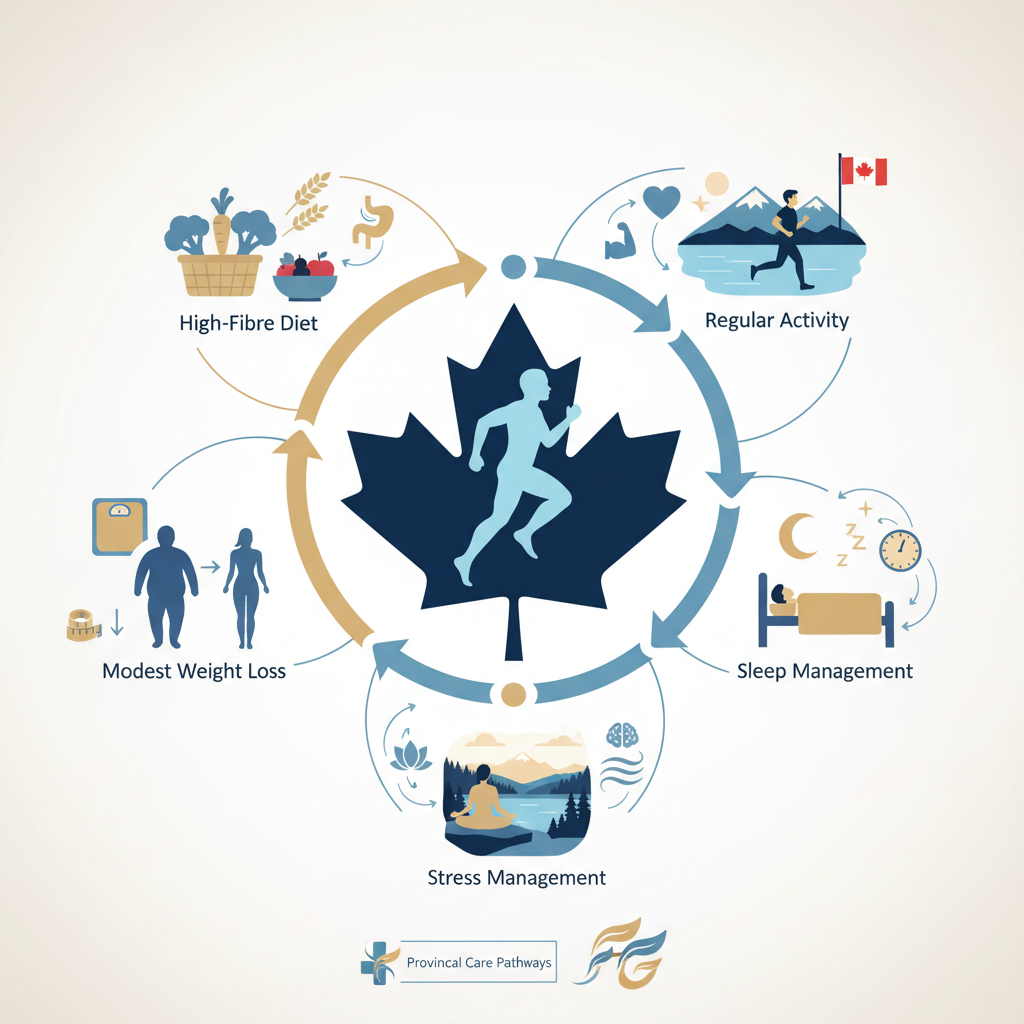
- Dietary changes (high soluble fibre, lower refined carbs), regular movement, modest weight loss (5–10%), better sleep and stress reduction are evidence-based ways to manage insulin resistance.
- Province-specific services vary—use Diabetes Canada provincial resources and local diabetes education centres (Ontario, BC, Alberta, Quebec differences).
- Products and supplements (e.g., balanced soluble fibre matrix, polyphenol extracts like Unimate yerba mate) may help as adjuncts; check Health Canada labelling and NPNs and consult your healthcare team.
- Monitor fasting glucose in mmol/L (normal ~4.0–5.5 mmol/L; diabetes ≥7.0 mmol/L) and HbA1c; work with a clinician to personalise care.
TL;DR
To manage insulin resistance naturally in Canada: prioritise a high-fibre, whole-food diet, regular aerobic and resistance activity, modest weight loss, sleep and stress management, and consider evidence-based supplements and structured timing such as the 4-4-12 protocol. Use provincial health resources (Diabetes Canada, Health Canada, CIHI) and treat tools like the Feel Great system as lifestyle supports—not medicines.
🇨🇦 Thousands of Canadians are using Feel Great to support their metabolic health naturally. Learn more & order here →
Managing Insulin Resistance Naturally: A Canadian Approach
Shocking Canadian statistic: More than one in ten Canadians live with diabetes or prediabetes, with prevalence rising across many age groups and regions (Diabetes Canada; CIHI; Statistics Canada). Given Canada’s diverse population and regional differences—long winters, rural-urban divides, and varying provincial coverage—tailoring natural strategies to the Canadian context matters.
What is insulin resistance and why it matters
Insulin resistance occurs when cells respond less effectively to insulin, causing the pancreas to produce more insulin to keep blood sugar steady. Over time, this compensatory phase can fail, increasing the risk of type 2 diabetes and cardiovascular disease. Managing insulin resistance early can reduce progression risk and improve quality of life.
Important clinical numbers (use mmol/L)
- Fasting plasma glucose: normal roughly 4.0–5.5 mmol/L; fasting ≥7.0 mmol/L is a diagnostic threshold for diabetes (Diabetes Canada).
- 2-hour OGTT: diabetes is ≥11.1 mmol/L.
- HbA1c: diabetes generally defined as ≥6.5%.
Evidence-based natural strategies (ranked by evidence)
1. Dietary quality: priority for soluble fibre and low-refined carbohydrate choices
Systematic reviews and RCTs show that dietary improvements focusing on fibre and whole foods have significant benefits for insulin sensitivity. Practical steps:
- Increase soluble fibre (oats, legumes, psyllium): helps blunt post-meal glucose and improves satiety.
- Choose whole grains and pulses over refined grains and sugary drinks—follow Canada’s Food Guide for balanced meals.
- Include healthy fats (olive oil, fatty fish, nuts) and lean proteins to moderate glycaemic response.
- Use portion control and mindful eating to reduce excess calorie intake.
Evidence ranking: Systematic reviews > meta-analyses > RCTs. Canadian tip: use locally available pulses (lentils, chickpeas) and cold-weather produce or frozen vegetables to keep costs and seasonality manageable.
2. Physical activity: aerobic + resistance training
Robust evidence shows exercise increases insulin sensitivity in skeletal muscle. Aim for:
- 150 minutes per week of moderate-intensity aerobic activity (e.g., brisk walking) plus 2 resistance sessions weekly (Heart & Stroke Foundation; Diabetes Canada).
- Frequent light activity breaks (stand, walk) to reduce sedentary time—especially important during long Canadian winters.
3. Weight management: modest loss yields big benefits
Losing 5–10% of body weight is associated with clinically meaningful improvements in insulin sensitivity and cardiometabolic risk. Use multidisciplinary approaches—diet, exercise, behavioural support, and provincial services where available.
4. Meal timing and intermittent fasting (4-4-12)
Emerging RCTs suggest intermittent fasting can improve insulin sensitivity and metabolic flexibility for some people. The 4-4-12 protocol (a Feel Great option) structures eating windows while emphasising nutrient-dense food. This may be helpful if medically appropriate and supervised by a clinician—especially for people without advanced diabetes or on glucose-lowering medications.
5. Sleep and stress management
Poor sleep and chronic stress are linked to worse insulin action. Aim for 7–9 hours nightly, maintain sleep regularity, and use stress-reduction tools (mindfulness, breathing, counselling). Consider seasonal effects—northern latitudes experience variable daylight that can affect circadian rhythm.
6. Supplements and nutraceuticals (cautious use)
Some supplements show promise in trials but have variable evidence and interactions:
- Soluble fibres (psyllium, beta-glucan) — moderate evidence to reduce post-prandial glucose.
- Polyphenol-rich extracts (chlorogenic acids, berberine-like compounds) — trials show improvements in insulin sensitivity; results vary and quality control matters.
- Magnesium — may be beneficial in people with low status.
Canadian regulatory note: Choose supplements available with Health Canada oversight; check each product label for a Natural Product Number (NPN) and third-party certificates. Always discuss with your prescriber before combining with medicines.
Practical Canadian implementation: where and how to get help
- Start at your family doctor or nurse practitioner: request fasting glucose (mmol/L) and HbA1c tests and discuss cardiovascular risk and lifestyle referrals (Diabetes Canada pathways).
- Use provincially available diabetes education centres and registered dietitians—coverage varies by province: Ontario, BC, Alberta and Quebec have different programmes and referral processes; check local health authority pages.
- Consider telehealth or community health centres for remote areas; Indigenous health services can offer tailored care.
- Look for reputable resources: Diabetes Canada, Health Canada, Heart & Stroke Foundation and local public health units.
Sample 7-day Canadian-friendly plan (food & movement)
Built around Canada’s Food Guide, seasonal produce and practical activities:
- Breakfasts: steel-cut oats + berries + ground flax + Balance soluble fibre mixed into plain yogurt.
- Lunches: mixed garden salad + canned Pacific salmon + quinoa + legumes.
- Dinners: lentil chili in winter, grilled trout & roasted root veg in summer.
- Snacks: apple + nut butter; raw vegetables + hummus.
- Activity: brisk walk before work, 20–30 minute resistance band session twice weekly, short walks after meals to reduce post-prandial spikes.
How Feel Great fits into a Canadian strategy
Feel Great is positioned as a lifestyle support package rather than a medical treatment. Components that may help people managing insulin resistance include:
- Balance (soluble fibre matrix): used with meals to reduce rapid glucose rises and increase fullness. Fibre interventions are supported by systematic reviews for metabolic benefit.
- Unimate (yerba mate extract): provides chlorogenic acids and natural stimulants that may help energy and focus during behaviour change—some polyphenol trials indicate modest metabolic benefits.
- 4-4-12 intermittent fasting protocol: structured eating window aimed at metabolic flexibility; may be appropriate when incorporated safely under clinical guidance.
- Shipping and access: Feel Great products ship across Canada (BC to Newfoundland). Verify product labelling for Health Canada approvals and check provincial rules for supplement coverage.
Use Feel Great alongside evidence-based lifestyle changes and with oversight from your healthcare team. It may help adherence, energy and post-meal control for some people, but it is not a substitute for medical care.
People Also Ask
- How do I know if I have insulin resistance? — Talk to your primary care provider about fasting glucose and HbA1c testing; they may order an OGTT if needed.
- Can insulin resistance be reversed with natural measures? — Many people experience improvements with diet, exercise and modest weight loss; some may still need medication.
- Are fibre supplements effective? — Soluble fibre supplements can reduce post-meal glucose in controlled trials; choose Health Canada-regulated products and consult your clinician.
- How often should I test blood sugar? — Follow your clinician’s advice; intervals often range from 3–6 months for people with prediabetes, depending on risk and interventions.
- Is intermittent fasting safe for everyone? — Not for pregnant women, people with type 1 diabetes, or those on certain medications; always get medical clearance.
FAQ
- What fasting glucose level indicates insulin resistance? — There isn’t a single fasting glucose number that defines insulin resistance; clinicians use fasting glucose, HbA1c and sometimes OGTT to assess risk. Fasting glucose ≥7.0 mmol/L generally indicates diabetes.
- Which Canadian services offer help? — Diabetes education centres, provincial chronic disease programmes, registered dietitians and primary care providers offer region-specific help; check Diabetes Canada provincial pages and local health authorities.
- Should I take berberine or similar supplements? — Some trials show benefit, but quality and interactions vary. Use Health Canada-regulated products and discuss with your prescriber.
- How much weight do I need to lose to see improvement? — Typically 5–10% body weight loss is associated with meaningful metabolic improvements.
- Where can I find trusted Canadian information? — Diabetes Canada, Health Canada, CIHI, Heart & Stroke Foundation, and provincial health websites are reliable starting points.
References & Scientific Sources
- Diabetes Canada – Clinical practice guidelines and patient resources. https://www.diabetes.ca
- Health Canada – Healthy eating and supplement regulation. https://www.canada.ca/en/health-canada.html
- Canadian Institute for Health Information (CIHI) – diabetes and chronic disease data. https://www.cihi.ca
- Statistics Canada – prevalence and health statistics. https://www.statcan.gc.ca
- Heart & Stroke Foundation of Canada – physical activity and cardiovascular guidance. https://www.heartandstroke.ca
- Public Health Agency of Canada – chronic disease prevention. https://www.canada.ca/en/public-health.html
- Reynolds A., et al. Dietary fibre and metabolic health. Cochrane Database (2022). PubMed: https://pubmed.ncbi.nlm.nih.gov
- Recent meta-analysis on exercise and insulin sensitivity. JAMA Network (2021). https://jamanetwork.com
- NEJM / Lancet reviews on intermittent fasting and metabolic outcomes (2021–2024). https://www.nejm.org; https://www.thelancet.com
- Polyphenols, chlorogenic acid and glucose metabolism trials (2021–2024). PubMed: https://pubmed.ncbi.nlm.nih.gov
- Harvard T.H. Chan School of Public Health – carbohydrate quality. https://www.hsph.harvard.edu
- Mayo Clinic – lifestyle, sleep and metabolic health. https://www.mayoclinic.org
Medical disclaimer: This article is for informational purposes only and is not medical advice. Consult your family physician, nurse practitioner or a provincially affiliated diabetes education service before starting or changing any treatment, supplements, or fasting protocols. In Canada, laboratory targets and care pathways vary by province—use local healthcare resources (Ontario, Quebec, BC, Alberta) and Diabetes Canada guidance for region-specific decisions.

Related ATHAR paths
🇨🇦 Ready to Start Your Health Transformation?
Join thousands of Canadians who have improved their metabolic health with the Feel Great system. Backed by 50+ clinical studies and listed in the Physicians' Desk Reference (PDR).
✅ Ships to all provinces: BC, Alberta, Saskatchewan, Manitoba, Ontario, Quebec, New Brunswick, Nova Scotia, PEI, Newfoundland & Labrador | 90-Day Money-Back Guarantee