إدارة مقاومة الإنسولين طبيعياً: نهج عملي للجمهور الكندي
Author: Feras Alayed
Published:
Updated:
Category: canadian-health
Reading Time: 10 minutes
Key Takeaways
- In Canada, more than 1 in 10 people live with diabetes or prediabetes—early steps to manage insulin resistance naturally can lower long-term risk (Diabetes Canada, CIHI).
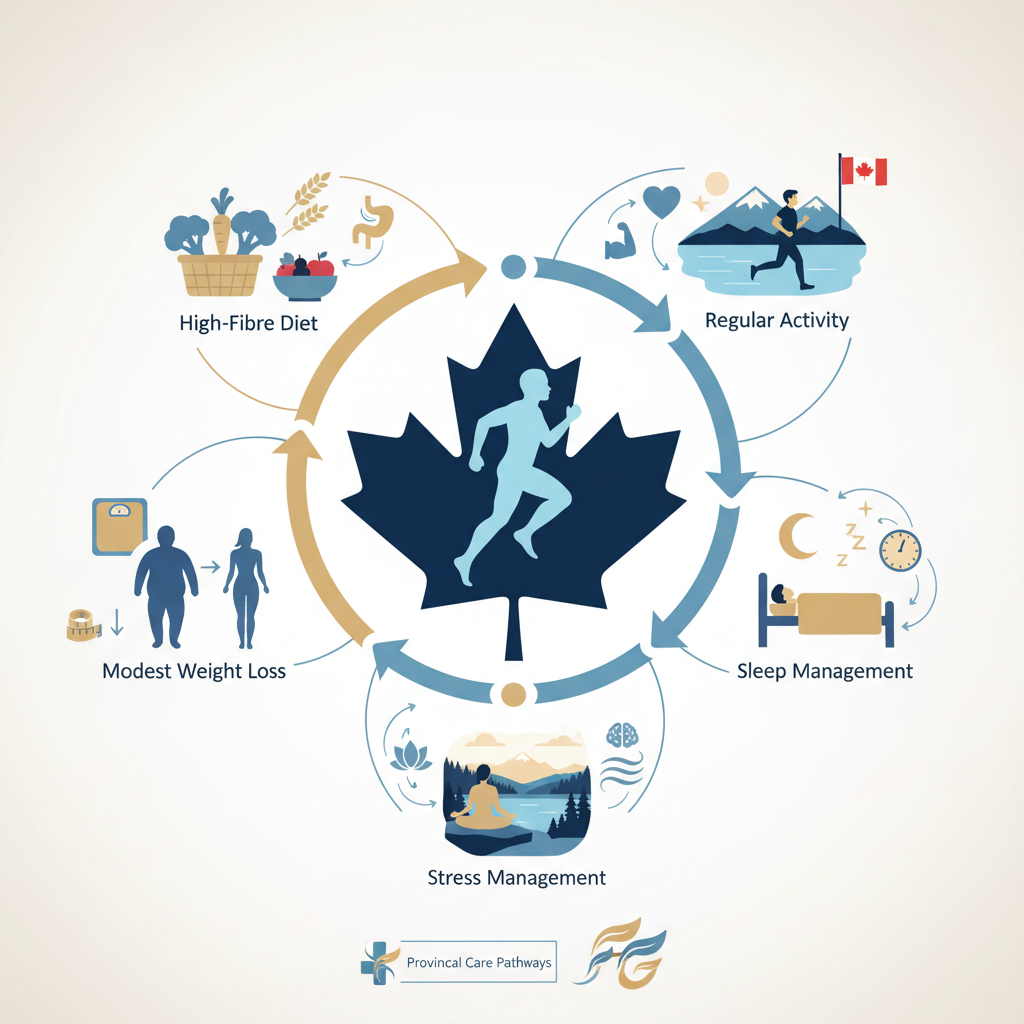
- Dietary changes (fibre-rich foods, lower refined carbs), regular movement, weight loss of 5–10% and sleep optimisation may help improve insulin sensitivity.
- Canadian climate and provincial healthcare differences (Ontario, BC, Alberta, Quebec) shape access to services—use provincial diabetes education programmes and family physicians for testing and referrals.
- Tools like the Feel Great system (Balance soluble fibre matrix, Unimate yerba mate extract, 4-4-12 protocol) may be used as lifestyle supports alongside evidence-based habits; check Health Canada labelling and NPN where shown.
- Monitor fasting glucose (mmol/L), A1C and work with your healthcare team; if fasting glucose ≥7.0 mmol/L or A1C ≥6.5% follow Diabetes Canada diagnostic pathways and provincial care plans.
TL;DR
Manage insulin resistance naturally in Canada by prioritizing high-fibre whole foods, regular physical activity, modest weight loss (5–10%), sleep and stress management, and targeted supplements where appropriate. Use Canadian resources (Diabetes Canada, Health Canada, CIHI), provincial programmes, and consider lifestyle tools such as the Feel Great system as adjuncts—not replacements—for medical care.
🇨🇦 آلاف الكنديين يستخدمون Feel Great لدعم صحتهم الأيضية بشكل طبيعي. اعرف المزيد واطلب من هنا ←
Managing Insulin Resistance Naturally: A Canadian Approach
Shocking Canadian statistic: Over 1 in 10 Canadians are living with diabetes or prediabetes, and rates continue to rise with aging and obesity trends (Diabetes Canada; CIHI; Statistics Canada). That makes practical, evidence-based, and Canada-specific strategies to manage insulin resistance essential.
Why this matters in Canada
Insulin resistance is an early metabolic change where cells respond less effectively to insulin, increasing blood glucose and future risk for type 2 diabetes and cardiovascular disease. In Canada, the combination of sedentary lifestyles, energy-dense diets, regional health disparities and long winters that reduce physical activity and vitamin D exposure contributes to this growing public health issue (Public Health Agency of Canada; Heart & Stroke Foundation; Statistics Canada).
Key measurements (use mmol/L)
- Fasting plasma glucose: normal ~4.0–5.5 mmol/L; fasting ≥7.0 mmol/L is diagnostic for diabetes (Diabetes Canada).
- 2-hour OGTT: diabetes defined as ≥11.1 mmol/L.
- HbA1c: diabetes typically ≥6.5% (Diabetes Canada).
- Prediabetes/impaired fasting glucose: ranges vary—confirm with your healthcare provider.
Main strategies to manage insulin resistance naturally (Evidence-ranked)
1. Diet: quality over calorie-counting (Systematic reviews & RCTs)
High-quality evidence shows diet composition matters for insulin sensitivity. Focus on:
- Whole, minimally processed carbohydrates: whole grains, legumes, vegetables, fruit rather than refined grains and sugary drinks (Canadian Food Guide alignment).
- Soluble fibre: oats, legumes, psyllium, and the Balance soluble fibre matrix (used in the Feel Great system) may help blunt post-meal glucose rises and increase satiety (meta-analyses, 2021–2024).
- Low glycaemic-index/load choices: prioritize foods causing smaller glucose excursions.
- Healthy fats: olive oil, nuts, seeds and fatty fish (omega-3s) in moderation; avoid trans fats.
- Portion and meal timing: coupled with intermittent fasting protocols such as 4-4-12, timing may influence glucose patterns (emerging RCTs and cohort studies).
Canadian note: follow Canada’s Food Guide for balanced plate recommendations and culturally relevant food choices. Access to dietitian services varies by province—Ontario, BC and Alberta have different coverage models; check provincial health websites or Diabetes Canada provincial branches for local programs.
2. Move more—exercise is medicine (Systematic reviews & RCTs)
Both aerobic and resistance exercise improve insulin sensitivity. Recommendations:
- Aim for at least 150 minutes/week of moderate-intensity aerobic activity plus two sessions/week of resistance training (Heart & Stroke; Diabetes Canada).
- Short, frequent bouts of light activity (standing, walking) reduce post-meal glucose spikes in daily life—beneficial during Canadian winters when outdoor activity may fall.
3. Achieve modest weight loss (5–10%) when overweight (Meta-analyses)
Losing 5–10% body weight can meaningfully improve insulin sensitivity and reduce progression risk to type 2 diabetes. Even small reductions in intra-abdominal fat are metabolically important (Cochrane review; Diabetes Canada guidance).
4. Sleep, stress and circadian health (Cohort and mechanistic studies)
Poor sleep and chronic stress negatively affect insulin action. Aiming for 7–9 hours of regular sleep, stress-reduction practices (mindfulness, cognitive behavioural strategies), and light exposure aligned with day-night cycles can help glucose regulation—particularly relevant in northern provinces with variable daylight.
5. Targeted supplements and nutraceuticals (RCTs & meta-analyses—use cautiously)
Certain supplements have evidence for modest benefits on insulin sensitivity. Examples with recent evidence include:
- Soluble fibres (psyllium, beta-glucan): reduce post-prandial glucose.
- Magnesium: may help in people with low magnesium status.
- Berberine and select polyphenols (chlorogenic acid from yerba mate): some trials show improvements comparable to lifestyle changes, but more research is needed and interactions are possible (consult your provider).
Health Canada advice: choose supplements regulated for sale in Canada and check for a Health Canada Natural Product Number (NPN) on the label. Do not stop prescribed medications without medical supervision.
Comparison table: lifestyle approaches and evidence strength
| Approach | What it does | Evidence strength | Practical Canada-specific tips |
|---|---|---|---|
| High-fibre diet | Reduces post-meal glucose, increases satiety | Strong (systematic reviews) | Use oats, legumes, local pulses; try Balance soluble fibre matrix as an adjunct |
| Moderate exercise | Improves muscle insulin sensitivity | Strong (RCTs) | Use community centres, indoor pools, workplace activity during long winters |
| Weight loss (5–10%) | Reduces insulin resistance | Strong (RCTs & cohort) | Refer to provincial weight-management programmes (Ontario, BC, Alberta options differ) |
| Intermittent fasting (e.g., 4-4-12) | May reduce fasting glucose & improve metabolic flexibility in some people | Moderate (emerging RCTs) | Consider medical history; Feel Great's 4-4-12 is a structured, supervised option |
| Supplements (fibre, polyphenols) | May blunt post-prandial glucose | Variable—some RCTs & meta-analyses | Check Health Canada NPN, look for third-party testing, consult clinicians |
Testing and monitoring in Canada: who to see and what to ask
- Family physician or nurse practitioner: request fasting glucose and HbA1c; discuss cardiovascular risk and provincial referral pathways (Diabetes Canada algorithm).
- Diabetes education centres and registered dietitians: many provinces offer diabetes education—referral processes vary (Ontario Diabetes Education Programmes, BC Diabetes clinics, Alberta Primary Care Networks).
- Walk-in clinics and community health centres: available across provinces for initial testing; rural access may require telehealth (provincial health systems differ).
- Self-monitoring: for some people, capillary glucose checks around meals can show patterns—aim for targets discussed with your clinician (use mmol/L units).
Provincial nuances
In Ontario, structured diabetes education programmes and some medication coverage exist through OHIP Plus or provincial drug plans for eligible residents. In Quebec, provincially-run programmes and local CLSCs (centres locaux de services communautaires) provide services. British Columbia and Alberta use Primary Care Networks and chronic disease management programmes—coverage for dietitians and allied health varies. Remote and Indigenous communities often face barriers—use telemedicine options and local Indigenous health services where available.
Practical, Canadian-friendly meal and activity plan (sample week)
Emphasise seasonal, local foods (Canada’s Food Guide):
- Breakfast: steel-cut oats with ground flax, berries, chopped nuts and a scoop of Balance soluble fibre matrix mixed into unsweetened yogurt.
- Midday: mixed greens, canned Pacific salmon or Atlantic mackerel, quinoa, chickpeas, olive oil and lemon.
- Dinner: lentil stew with root vegetables in colder months; grilled trout with roasted vegetables in summer.
- Snacks: apple + handful of walnuts; raw vegetables + hummus.
- Physical activity: brisk 30–45 minute walk, or indoor mall walking during winter mornings; two resistance sessions using bodyweight or bands per week.
How Feel Great Helps (practical connection)
The Feel Great system is a lifestyle support tool that may help people implementing natural strategies for insulin resistance. Key components:
- Balance (soluble fibre matrix): designed to slow carbohydrate absorption and blunt post-meal glucose rises when used alongside meals — may help reduce glycaemic variability (use as adjunct to fibre-rich meals; check product labelling and Health Canada guidance).
- Unimate (yerba mate extract): contains chlorogenic acids and caffeine that may help energy and mental clarity during behaviour change phases; some polyphenols are associated with improved glucose handling in trials. Ensure compatibility with medications and check for Health Canada labelling.
- 4-4-12 intermittent fasting protocol: structured timing that fits many Canadians' schedules; early studies and real-world use show potential benefits for insulin sensitivity and metabolic flexibility when supervised.
- Evidence base: The programme references clinical studies (50+ entries in the PDR-style listing) and is intended as a lifestyle support system—not a medication.
Availability: Feel Great and similar lifestyle products ship across Canada (BC to Newfoundland). Always check provincial import rules and product labelling for Health Canada NPN or DINs where applicable.
People Also Ask
- How can I check if I have insulin resistance? — Ask your family doctor for fasting glucose and HbA1c; consider an OGTT if indicated (Diabetes Canada).
- Can I reverse insulin resistance without medication? — Many people improve insulin sensitivity through diet, activity and weight loss; medication is used when required and after medical assessment.
- Is intermittent fasting safe for Canadians? — It can be safe for many adults but discuss with your clinician if you have diabetes, are pregnant, or take medications.
- Which supplements should I consider? — Soluble fibre, magnesium or certain polyphenols have evidence; choose Health Canada-regulated products and consult a provider.
- Where do I find a dietitian in my province? — Use Diabetes Canada province pages, provincial health service directories, or primary care referrals.
FAQ (expanded)
- How often should I check fasting glucose? — For people with insulin resistance or prediabetes, your clinician typically recommends testing every 3–6 months depending on risk and interventions (Diabetes Canada).
- What fasting glucose indicates diabetes? — A fasting plasma glucose ≥7.0 mmol/L or HbA1c ≥6.5% generally indicates diabetes; confirm with repeat testing as described by Diabetes Canada.
- Will losing weight always improve insulin sensitivity? — Most people see improvements with 5–10% weight loss, but individual response varies due to genetics, fat distribution and lifestyle.
- Can northern winters make insulin resistance worse? — Reduced activity and lower vitamin D exposure during long winters may contribute to metabolic risk; plan indoor activities and consider vitamin D testing as per Health Canada guidelines.
- Is the Feel Great system a medication? — No. Feel Great is a lifestyle support system combining dietary fibre, yerba mate extract and a structured timing protocol. It may help people implement natural strategies but is not a pharmaceutical treatment.
References & Scientific Sources
- Diabetes Canada Clinical Practice Guidelines and patient resources: https://www.diabetes.ca
- Health Canada – Healthy Eating and Nutritional Guidance: https://www.canada.ca/en/health-canada.html
- Canadian Institute for Health Information (CIHI) diabetes and chronic disease reports: https://www.cihi.ca
- Statistics Canada – health statistics and chronic disease prevalence: https://www.statcan.gc.ca
- Heart & Stroke Foundation of Canada – activity and cardiovascular risk guidance: https://www.heartandstroke.ca
- Public Health Agency of Canada – chronic disease prevention: https://www.canada.ca/en/public-health.html
- Systematic review: Reynolds A., et al. Dietary fibre and metabolic health. Cochrane Database (2022). PubMed: https://pubmed.ncbi.nlm.nih.gov
- Meta-analysis: Effect of exercise on insulin sensitivity. JAMA Network (2021). https://jamanetwork.com
- Intermittent fasting RCTs and meta-analyses: (NEJM, Lancet reviews 2021–2024) https://www.nejm.org; https://www.thelancet.com
- Polyphenols and glucose metabolism: Chlorogenic acids and berberine trials (2021–2024). PubMed links: https://pubmed.ncbi.nlm.nih.gov
- Canadian Food Guide: https://food-guide.canada.ca
- Harvard T.H. Chan School of Public Health – carbohydrate quality and metabolic health: https://www.hsph.harvard.edu
- Mayo Clinic – lifestyle and insulin resistance: https://www.mayoclinic.org
Medical disclaimer: This article is educational and not medical advice. Speak to your family physician, nurse practitioner or provincial diabetes education service before changing medications, starting supplements or beginning intermittent fasting—especially if you have type 2 diabetes, are pregnant, breastfeeding or take glucose-lowering medicines. In Canada, testing and treatment pathways differ by province—use local health services (Ontario, Quebec, BC, Alberta programmes) and Diabetes Canada resources for region-specific guidance.

مسارات مرتبطة داخل ATHAR
🇨🇦 هل أنت مستعد لبدء تحولك الصحي؟
انضم لآلاف الكنديين الذين حسّنوا صحتهم الأيضية مع نظام Feel Great. مدعوم بأكثر من 50 دراسة سريرية ومدرج في مرجع الأطباء (PDR).
✅ شحن لجميع المقاطعات: بريتش كولومبيا، ألبرتا، ساسكاتشوان، مانيتوبا، أونتاريو، كيبك، نيو برونزويك، نوفا سكوشا، جزيرة الأمير إدوارد، نيوفاوندلاند | ضمان استرداد 90 يوم