Meal Timing Journaling Basics: A FAQ on Tracking Your Fasting Consistency
Author: Feras Alayed
Published:
Updated:
Category: intermittent-fasting
Reading Time: 5 minutes
- Journaling builds awareness of dietary patterns rather than just recording numbers.
- Consistency means sticking to the plan most of the time, not absolute perfection.
- Tracking helps identify triggers that lead to breaking a fast early.
Why is Meal Timing Journaling a Fundamental Pillar?
Meal timing journaling is not just a statistical process; it is an educational tool aimed at increasing self-awareness. When you start recording the moment you begin your fast and the moment you have your first meal, you build a bridge of understanding between your mind and your body's true needs. This journaling helps you discover patterns you might not notice in the hustle of daily life. For example, you might find that you tend to break your fast early when under significant work stress, or that your consistency is best during the weekend. Before embarking on this journey, it is helpful to review the essential questions considering fasting to ensure you are setting realistic goals that fit your lifestyle. Journaling makes the decision clearer and encourages consistent follow-up, turning fasting from a mere daily task into an integrated lifestyle.
Tracking Basics: How to Start Your Educational Journey?
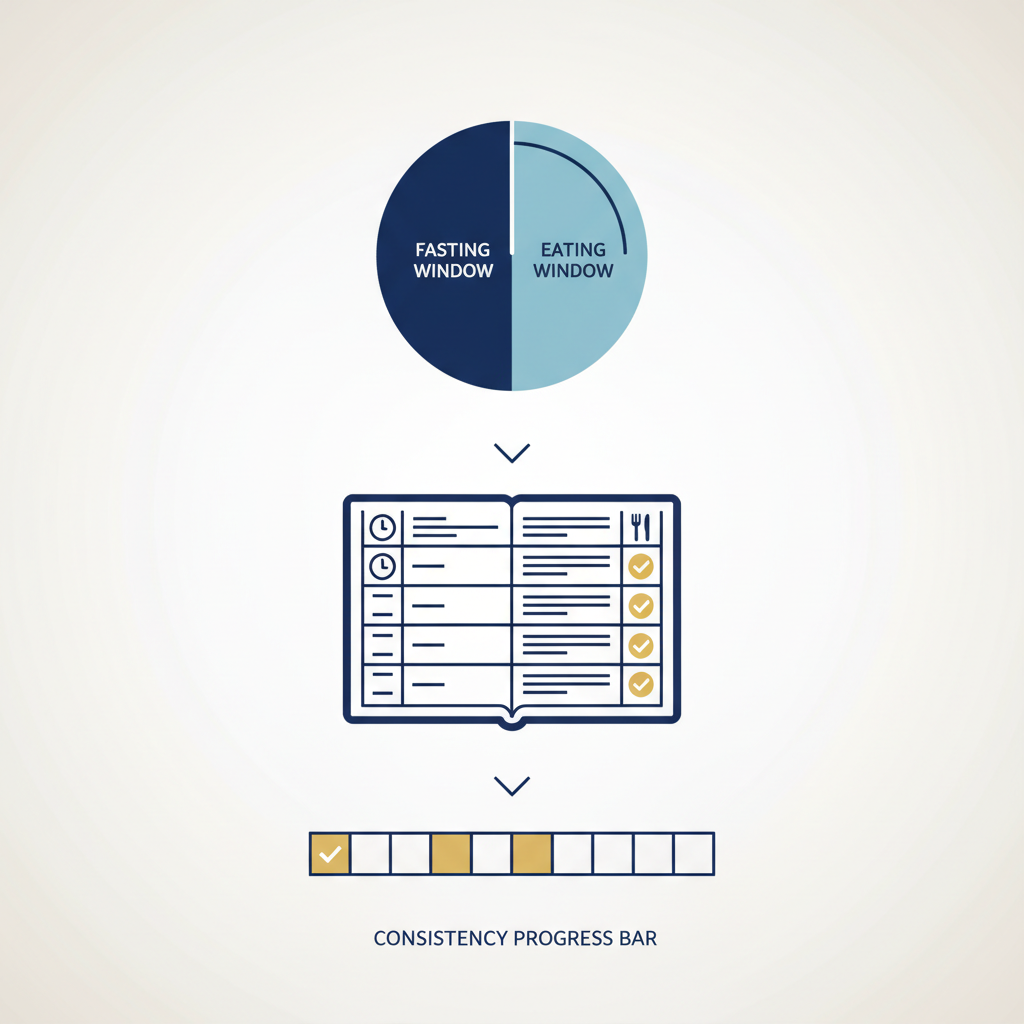
To start meal timing journaling effectively, you don't need complex tools. You can begin with a simple paper notebook or an app on your phone. The goal is to record three basic elements: the time of your last meal (start of fast), the time of your first meal (break-fast), and your general feeling during this period. This tracking helps you understand how the schedule affects your energy levels. Additionally, noting sleep quality or physical activity can give you a broader picture. Understanding intermittent fasting and blood sugar control through personal observation can be highly educational, as you notice how meal timings affect your feelings of stability or sudden hunger. Remember, the goal of journaling is to learn and improve, not to self-blame when deviating from the set schedule.
Building Consistency: Turning Data into Habits
Consistency is the golden key in any lifestyle change. Meal timing journaling helps you see the progress you make over time, which boosts your motivation. When you look at your records and find that you have stuck to your schedule for five consecutive days, it gives you a sense of accomplishment that encourages you to keep going. Consistency doesn't mean being 100% perfect; it means getting back on track quickly after any interruption. You can use a "Short Challenge" technique, such as committing to journaling for just 7 consecutive days to evaluate how easily this action integrates into your day. This approach makes the process less overwhelming and supports long-term consistency.
Navigating Social Challenges in Our Community
In our culture, social meals play a major role in connecting with family and friends. You may sometimes feel that your fasting schedule conflicts with a family invitation or an evening gathering. This is where journaling comes in as a flexible tool. Instead of feeling like a failure, you can note these occasions and adjust your fasting window the next day. Journaling helps you plan ahead; if you know you have a late dinner, you can delay the start of your eating window. This type of data-backed flexibility makes intermittent fasting a natural part of your life rather than a constraint that prevents you from enjoying social moments.
Frequently Asked Questions About Tracking Fasting Consistency
Should I record every bite I eat?
No, the focus in meal timing journaling is on "timing" rather than necessarily "content" at first. The goal is to stabilize the fasting and eating windows. Once consistency in timing becomes a habit, you can start noticing types of foods and their impact on your satiety.
What do I do if I forget to journal for a whole day?
No need to worry. Simply start again the next day. Journaling is a tool to help you, not an additional burden. You can estimate the timings you adhered to the previous day and record them based on your memory to ensure there are no large gaps in your records.
Does journaling help in understanding fasting terminology?
Yes, through journaling, you will become accustomed to using terms like "eating window" and "active fasting hours." This enhances your knowledge of intermittent fasting education and makes you more confident when discussing your experience or reading new educational articles.
How do I evaluate claims about fasting through my record?
When you read a specific claim about fasting, you can refer back to your personal record to see how well it aligns with your experience. This helps you critically evaluate claims based on your own data rather than just what is said in general.
Related Articles
- Essential Questions Before Considering Fasting: A Comprehensive Guide for Beginners
- Intermittent Fasting and Blood Sugar Control: How Fasting Affects Glucose Regulation

Explore health education
Review the educational guides and practical tools related to this topic.
Explore the education hub