Practical Team Development Indicators: A Guide for Leaders
Author: Feras Alayed
Published:
Updated:
Category: business-opportunity
Reading Time: 7 minutes
- Focus on skill acquisition and role clarity rather than just output volume.
- Balance quantitative metrics with qualitative feedback loops.
- Avoid exaggerating progress to maintain ethical transparency and team trust.
- Implement a structured 30/60/90-day learning framework for new partners.
- Prioritize service quality and customer care as primary indicators of long-term success.
Introduction: The Reality of Team Progress
When leading a group or exploring a new partnership, a critical question arises: How do you measure progress without falling into the trap of exaggeration? In many professional environments, there is a temptation to inflate results or focus solely on short-term wins. However, sustainable growth relies on team development indicators that reflect actual skill acquisition, service quality, and ethical alignment. Leadership is not about presenting a perfect image; it is about the honest evaluation of where a team stands and where it needs to go. This requires a shift from 'managing numbers' to 'mentoring people.' Before diving into metrics, one must ask: Is the team becoming more self-sufficient, or are they simply following instructions? Understanding this distinction is the first step toward realistic leadership.
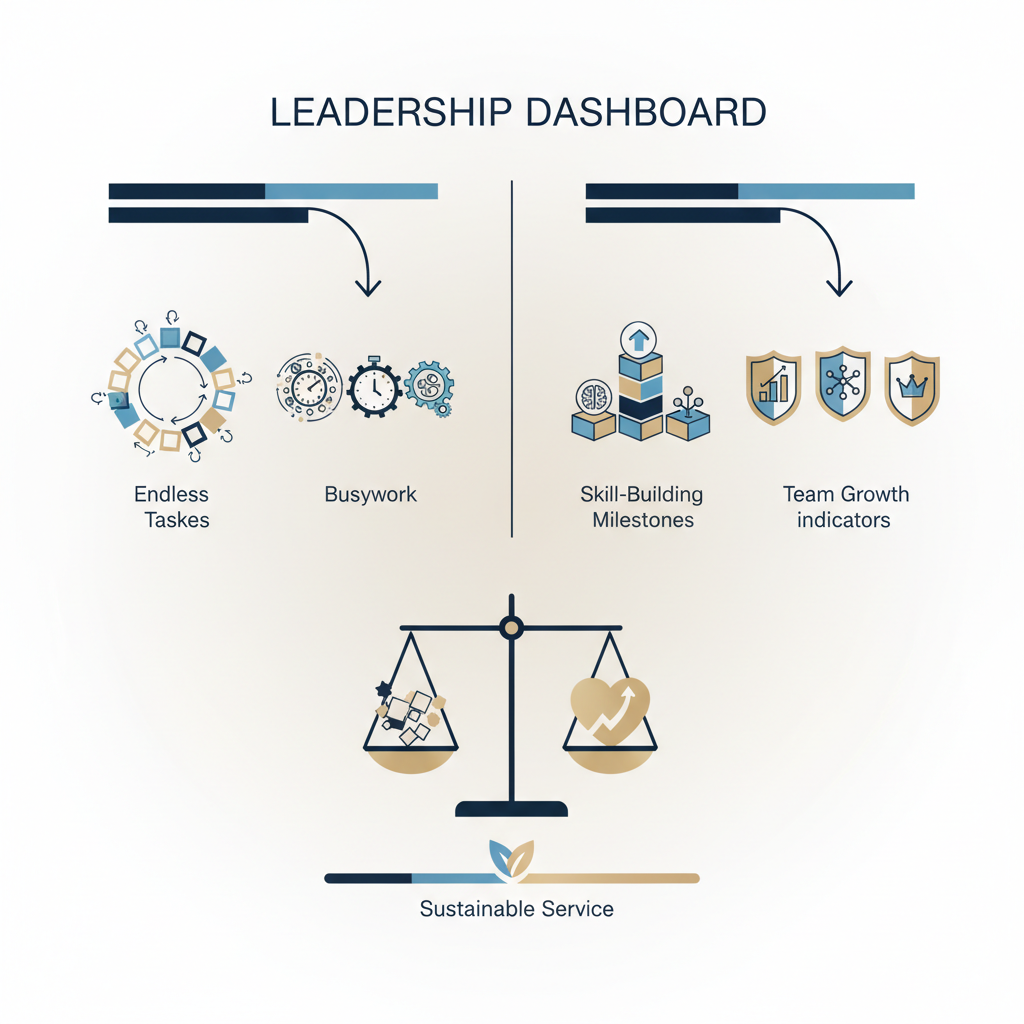
Defining Team Development Indicators
Team development indicators are measurable and observable markers that show how a team is evolving in its capabilities and culture. Unlike simple sales targets, these indicators look at the 'how' behind the 'what.' They include communication efficiency, problem-solving autonomy, and the ability to provide high-quality service consistently. For those evaluating wellness partnership opportunities, due diligence is essential to ensure these indicators are grounded in reality rather than marketing hype. You can learn more about this in our guide on evaluating wellness partnership opportunities.
1. Role Clarity and Responsibility
A primary indicator of a developing team is how well each member understands their specific role. In the early stages of a partnership, ambiguity is common. As a team matures, members should be able to articulate their responsibilities without constant supervision. This clarity reduces friction and improves the overall service experience for customers. It is important to distinguish between flexible work and a lack of structure; true flexibility requires high responsibility. For a deeper look at this, see flexible work responsibilities and realistic questions.
2. Skill Acquisition and Application
Progress is often best measured by the new skills a team member has mastered. Are they better at navigating complex customer inquiries? Have they improved their understanding of ethical marketing? In the context of health-related services, this includes developing 'health literacy'—the ability to help others understand and act on health information accurately. Our guide on evaluating health information in Saudi Arabia provides a framework for this type of skill development.
Quantitative vs. Qualitative Indicators
A balanced review process uses both hard data and soft observations. Relying too much on one can lead to a skewed perception of progress.
| Indicator Type | Focus Area | Example Metric | Why It Matters |
|---|---|---|---|
| Quantitative | Output & Efficiency | Response time to inquiries | Measures operational speed and reliability. |
| Qualitative | Behavior & Culture | Quality of peer feedback | Reflects team cohesion and ethical alignment. |
| Service-Based | Customer Experience | Accuracy of information provided | Ensures long-term trust and compliance. |
| Growth-Based | Learning | Completion of training modules | Tracks the commitment to professional development. |
The Importance of Ethical Communication
Exaggeration in leadership often stems from a fear of failure or a desire to attract new partners quickly. However, ethical leadership demands transparency. When reviewing team development indicators, it is vital to acknowledge gaps as much as successes. This honesty builds a culture of trust. For instance, when discussing health goals with clients, partners must avoid making disease claims or promising specific health results. Instead, they should focus on verifiable information. This principle is explored further in our article on realistic health goals and verifiable information. By maintaining high ethical standards, leaders ensure that their team's progress is built on a solid foundation rather than temporary trends.
How This Connects to the Partnership Path
The ATHAR partnership path is designed as a journey of qualification and skill discovery. It is not a shortcut to success, but a structured environment for those who value service and professional growth. We use team development indicators to help potential partners assess their own suitability for the role.
The 30/60/90-Day Learning Expectation
New partners are not expected to be experts on day one. Instead, the focus is on a structured learning curve:
- First 30 Days: Focus on orientation, understanding ethical guidelines, and learning the core service values. This is the phase of 'habit awareness,' similar to how one might identify external cues in other areas of life.
- 60 Days: Beginning to apply skills in real-world scenarios under mentorship. The indicator here is the ability to handle basic service tasks independently.
- 90 Days: Demonstrating consistent service quality and beginning to contribute to the team's collective knowledge.
This path suits individuals who are committed to long-term development and ethical service. It may not suit those looking for immediate financial returns without the willingness to learn and serve. Financial outcomes in this path are never guaranteed; they depend entirely on individual effort, skill mastery, consistency, and market conditions. For creators interested in this ethical approach, our wellness affiliate guide for creators offers valuable insights into eligibility and ethics.
People Also Ask
- What are the most important team development indicators? The most critical indicators include role clarity, skill acquisition, communication quality, and the ability to provide accurate, ethical service to customers.
- How can I avoid exaggerating my team's progress? Focus on verifiable data and qualitative feedback. Acknowledge challenges openly and set realistic expectations based on the team's current skill level rather than idealized outcomes.
- Why is health literacy important for leadership in this field? Leaders must ensure their teams provide accurate information. Understanding how to evaluate reports, as discussed in the Al-Ahsa health literacy guide, is a key leadership skill.
- How do I know if the partnership path is right for me? The path is suitable for those who prioritize learning, ethical service, and long-term professional growth. It requires a commitment to a 30/60/90-day learning framework.
- What is the role of marketing literacy in team development? Marketing literacy helps teams distinguish between hype and reality, ensuring they represent services ethically. See realistic health goals and marketing literacy for more.
FAQ
How often should I review team development indicators?
Regular reviews, such as monthly or quarterly, are recommended to track progress and adjust support strategies. However, informal feedback should be continuous.

Does the partnership guarantee a certain income?
No. Financial outcomes are not guaranteed and depend on various factors including individual effort, skills, and market conditions. The focus is on service and skill discovery.
What happens if a team member isn't meeting the indicators?
The focus should shift to mentorship and identifying barriers to learning. The goal is to support the individual in reaching the necessary level of skill and role clarity.
Are these indicators applicable to remote teams?
Yes, they are especially important for remote or flexible work environments where role clarity and proactive communication are essential for success.
How can I start exploring the partnership path?
The primary next step is to visit our internal partnership-exploration page to assess your suitability and learn more about the expectations and training provided.
Disclaimer: The information provided in this article is for educational and leadership development purposes only. It does not constitute financial, legal, or health advice. Official programme policies and eligibility requirements must be independently verified with authorized representatives before publication or commitment. Financial outcomes in any partnership depend on individual effort and market factors; success is not guaranteed. This content does not make disease claims or promise specific health results.
Interested in a path focused on skill discovery and ethical service? Explore whether the partnership path suits you.
Further Education
- Explore the metabolic health education hub
- Learn how to read research summaries
- Use the educational health assessment
Evaluate the path with clarity
Use the decision guide to review eligibility, responsibilities, policies, and questions that require confirmation from official programme sources. No financial outcome is promised.