How to Prepare for a Metabolic Health Appointment Canada: A Comprehensive Guide
Author: Feras Alayed
Published:
Updated:
Category: metabolic-health
Reading Time: 6 minutes
TL;DR
Preparing for a metabolic health appointment in Canada involves more than just showing up. It requires gathering your health history, tracking lifestyle habits (fibre intake, sleep, and activity), and understanding Canadian clinical markers like blood glucose in mmol/L. By arriving prepared, you can maximize your time with healthcare professionals and better advocate for your long-term wellness goals.
Key Takeaways
- Understand your metabolic markers in Canadian units (mmol/L).
- Keep a detailed journal of food, mood, and sleep for at least two weeks prior.
- Prepare a list of specific questions regarding lifestyle interventions.
- Recognize that structured programmes like the structured reflection approach are supports, not cures.
- Verify all health information against official Canadian health guidelines.
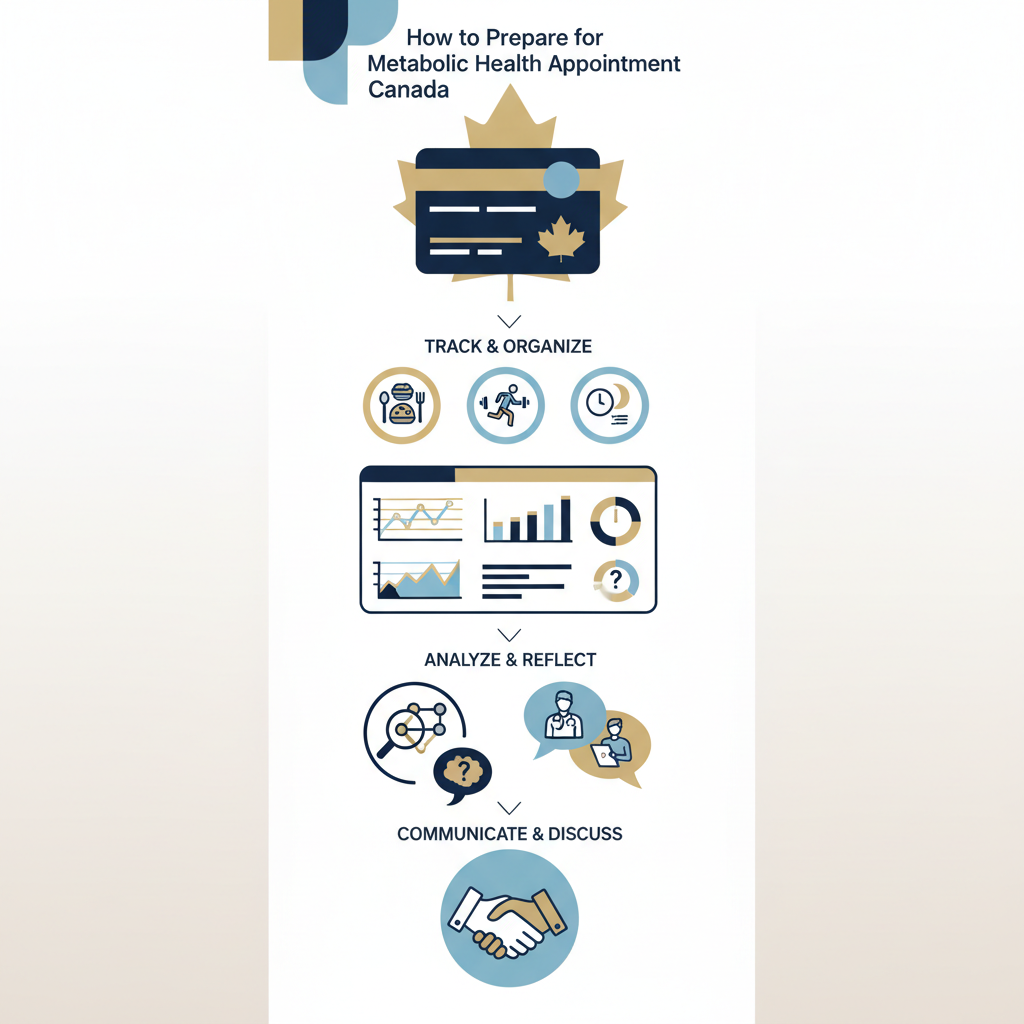
Introduction: The Metabolic Health Journey
Many Canadians find themselves feeling persistently fatigued, struggling with weight management despite their best efforts, or noticing changes in their energy levels that don't seem to align with their age. You might have tried various diets or exercise programmes, only to find them difficult to sustain in the face of a busy Canadian lifestyle and changing seasons. This sense of frustration often leads to the realization that a deeper look at metabolic health is necessary.
Metabolic health is not just about a single number on a scale; it is a complex interplay of how your body processes energy, manages blood sugar, and responds to stress and sleep. When you book a metabolic health appointment in Canada, you are taking a proactive step toward understanding these internal processes. However, the Canadian healthcare system is often under pressure, and appointments can feel brief. To ensure you get the most out of your visit, thorough preparation is essential.
Why Preparation Matters in the Canadian System
In Canada, primary care providers and specialists often manage large patient panels. This means your time with a practitioner is valuable and limited. Arriving without organized information can lead to missed opportunities for deeper investigation. By preparing, you shift from being a passive recipient of care to an active participant in your health journey.
Effective preparation involves building family health literacy, which allows you to discuss your family history and personal symptoms with clarity. It also helps you navigate the specific terminology used in Canadian clinics, ensuring that you and your provider are speaking the same language regarding your metabolic goals.
Gathering Your Metabolic Data
Before your appointment, you should compile a comprehensive health folder. This folder serves as a reference point for both you and your practitioner. In Canada, metabolic health is often assessed through several key markers. It is important to note these in the correct units.
1. Blood Glucose and HbA1c
Canadian laboratories measure blood glucose in millimoles per litre (mmol/L). If you have previous lab results, organize them chronologically. Look for trends rather than isolated numbers. Understanding these values is a core part of health literacy skills, enabling you to ask informed questions about your metabolic flexibility.
2. Blood Pressure and Heart Rate
If you have a home monitor, take readings at different times of the day for a week leading up to your appointment. Note any factors that might influence these readings, such as caffeine intake or stress levels.
3. Physical Measurements
While weight is a common metric, waist circumference is often a more significant indicator of metabolic health in a clinical context. Measure your waist at the narrowest point or at the level of the navel, using centimetres (cm) as per Canadian clinical standards.
The Role of Lifestyle Tracking
Your daily habits provide the context for your clinical markers. A doctor sees a snapshot; your journals provide the full movie. Using tools like a food and mood journal can reveal patterns between what you eat and how you feel, which is invaluable for a metabolic assessment.
Meal Timing and Composition
Canadian winters often lead to changes in eating patterns. Tracking your meal timing can help identify if late-night eating or frequent snacking is impacting your metabolic markers. Be honest about your fibre intake, as many Canadians fall short of the recommended daily amounts. If you have traveled or enjoy diverse cuisines, you might even consider how different food environments, such as those discussed in an ultimate meal comparison, affect your satiety and energy.
Sleep and Rest
Metabolism and sleep are deeply linked. A comprehensive sleep journal can help you document sleep duration, quality, and disturbances. In Canada, the lack of sunlight in winter can disrupt circadian rhythms, which in turn affects metabolic hormones. Sharing this data with your provider allows for a more nuanced discussion about your health.
The structured reflection approach: A Structured Support Framework
The structured reflection approach emphasizes consistency in fibre intake and meal timing to help manage glucose response. For a Canadian reader, this might mean using specific tools to ensure adequate fibre during months when fresh produce is less accessible. When discussing these methods with your healthcare provider, present them as part of your lifestyle strategy. A practitioner can help you integrate these tools safely into your overall health plan, ensuring that any follow-up and service excellence you receive from health coaches aligns with your clinical needs.

Always remember that while these programmes can provide a helpful structure, they do not replace professional medical advice, diagnosis, or treatment. Their role is to provide a framework for the daily habits that support the goals you and your doctor establish.
Questions for Your Healthcare Provider
To make the most of your metabolic health appointment in Canada, prepare a list of questions. This ensures you don't forget important points during the conversation. Consider asking:
- Based on my current lab results (in mmol/L), where do I stand on the spectrum of metabolic health?
- How do my lifestyle journals (sleep, food, mood) correlate with my clinical findings?
- Are there specific Canadian clinical guidelines for my age and activity level that I should be aware of?
- What are the most impactful lifestyle changes I can make given the Canadian climate and my current routine?
- How often should we monitor these markers to see the impact of lifestyle adjustments?
By asking these questions, you demonstrate a commitment to your health and encourage a collaborative relationship with your provider. This transparency is also a hallmark of ethical professional frameworks in health communication.
Source-Verification Checklist
When researching metabolic health in Canada, it is vital to use reliable sources. Use this checklist to evaluate the information you find:
- Is the information provided by a Canadian government body (e.g., Health Canada, PHAC)?
- Does the source use Canadian units of measurement (mmol/L, kg, cm)?
- Are the recommendations aligned with the Canada Food Guide or Canadian clinical practice guidelines?
- Does the content avoid making
Further Education
- Explore the metabolic health education hub
- Learn how to read research summaries
- Use the educational health assessment
Explore the topic with reliable health education
Use ATHAR’s educational guides and practical tools to consider your next learning step.