Navigating Your Health: Essential Women Health Appointment Questions Canada
Author: Feras Alayed
Published:
Category: womens-health
Reading Time: 7 minutes
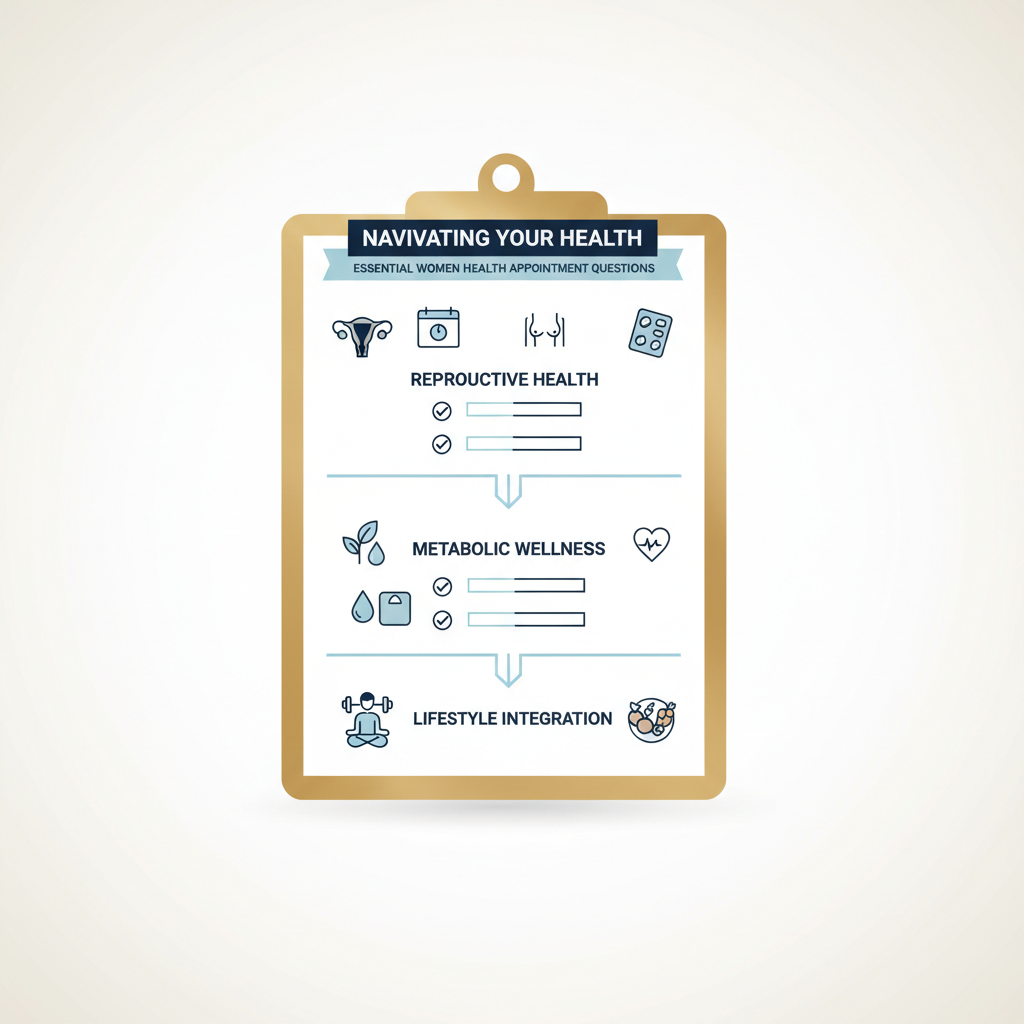
Key Takeaways
- Preparation is essential to maximize the limited time in Canadian primary care settings.
- Metabolic health, including blood glucose and fibre intake, is a foundational pillar of women's wellness.
- Asking specific, evidence-based questions helps move from reactive to proactive care.
- Structured lifestyle programmes like the structured reflection approach are tools for support, not medical cures.
- Always verify health information through official Canadian channels like Health Canada.
Introduction: The Challenge of the 15-Minute Appointment
Many women in Canada share a common experience: waiting weeks or months for an appointment, only to feel that the actual consultation is a whirlwind of rushed questions and brief answers. You might enter the clinic with a list of concerns about your energy levels, menstrual cycle, or long-term wellness, only to leave feeling like you barely scratched the surface. This gap between the care you desire and the reality of a busy healthcare system can lead to frustration and a sense that your health is being managed reactively rather than proactively.
The desired outcome for most is a partnership with a healthcare provider where you feel heard, understood, and empowered. However, sustaining this proactive approach is difficult when the system is designed for acute issues rather than holistic wellness. To bridge this gap, health literacy is your most powerful tool. Whether you are reviewing a health literacy guide for Al-Ahsa or navigating the specific nuances of the Canadian system, the ability to ask the right questions is universal.
Understanding the Canadian Healthcare Context
In Canada, women's health is primarily managed through family physicians and nurse practitioners. Accessing specialists, such as gynaecologists or endocrinologists, typically requires a referral from your primary care provider. This makes your initial appointment the 'gatekeeper' to further specialized care. Furthermore, the Canadian climate—with its long winters and varying sunlight—plays a significant role in factors like Vitamin D levels and seasonal mood changes, which should be part of your health dialogue.
When evaluating health information in Canada, it is crucial to look for guidance that aligns with national standards. Much like the health literacy guide for Eastern Province readers, Canadian patients must learn to discern quality information from anecdotal claims. This includes understanding that while provincial health plans cover many essential services, proactive lifestyle management often falls to the individual.
Preparation: The Foundation of a Good Visit
Before stepping into the clinic, preparation is mandatory. A well-prepared patient is more likely to receive a comprehensive assessment. Start by tracking your symptoms for at least one full menstrual cycle. Note changes in energy, mood, sleep quality, and digestion. In Canada, where we use metric units, keep track of your weight in kilograms and be aware of your height in centimetres, as these are standard for calculating Body Mass Index (BMI) and other health markers.
It is also helpful to distinguish between foundational wellness habits vs biohacking. While the latest trends might seem appealing, your doctor will be most interested in your foundational habits: sleep, movement, and nutrition. If you are researching new health strategies, consider using a longevity research comparison guide to ensure the information you bring to your doctor is grounded in credible science.
Core Questions for Your Appointment
To make the most of your women health appointment questions Canada, categorize your concerns. Here are essential questions to consider:
1. Preventative Screening and Reproductive Health
- "Based on my age and family history, what is the recommended schedule for my next Pap test and mammogram according to Canadian guidelines?"
- "How do my current hormonal symptoms (e.g., irregular periods, heavy bleeding) align with typical expectations for my life stage?"
- "Are there specific screenings for bone density (DEXA scans) that I should be considering as I age?"
2. Metabolic and Cardiovascular Health
Metabolic health is often overlooked until markers like blood glucose or cholesterol reach a critical level. Proactive questions include:
- "What was my last fasting blood glucose reading in mmol/L, and where does that sit within the healthy range?"
- "Can we discuss my HbA1c levels to understand my average blood sugar over the last three months?"
- "How does my blood pressure compare to the targets set by Hypertension Canada?"
3. Mental Health and Lifestyle
- "Given the Canadian climate, should we test my Vitamin D levels, and what is the appropriate supplementation range for me?"
- "I have noticed changes in my mood and sleep; could these be linked to hormonal fluctuations or other underlying factors?"
Metabolic Health and Lifestyle Integration
A significant portion of women's health revolves around metabolic flexibility—the body's ability to switch between burning carbohydrates and fats for fuel. When this system is taxed, women may experience fatigue, brain fog, and difficulty managing weight. This is where understanding the role of nutrition becomes vital.
One area of growing interest is the role of soluble viscous fibre. Fibre is not just for digestion; it plays a critical role in slowing the absorption of glucose, which helps maintain steadier energy levels throughout the day. In Canada, many diets are lower in fibre than the recommended 25-38 grams per day. Discussing your fibre intake and its impact on your satiety and glucose levels is a valid part of a health consultation.
Communication Strategies for Patients
In a system-based environment, building a relationship based on listening and suitability is just as important in healthcare as it is in business. You are the expert on your body, and the doctor is the expert on medical science. To ensure a productive dialogue:
- Be Specific: Instead of saying "I'm tired," say "I experience a significant energy crash at 2:00 PM every day, even after a balanced lunch."
- Prioritize: Mention your most important concern in the first two minutes of the appointment.
- Ask for Clarification: If a doctor uses a term you don't understand, ask them to explain it in plain language.
- Summarize: Before leaving, say, "Just to confirm, our plan is X, and I will follow up in Y weeks."
Source-Verification Checklist
When researching women's health in Canada, use this checklist to ensure the information is reliable:

- [ ] Is the information provided by a government agency (e.g., Health Canada, Public Health Agency of Canada)?
- [ ] Does the website end in .gc.ca or .org (from a recognized national health society)?
- [ ] Are the units of measurement consistent with Canadian standards (metric)?
- [ ] Does the source cite peer-reviewed Canadian clinical guidelines (e.g., SOGC - Society of Obstetricians and Gynaecologists of Canada)?
- [ ] Is the content free from 'miracle cure' claims or guaranteed outcomes?
TL;DR Summary
Medical Disclaimer
Frequently Asked Questions
What is the scope of this guide?
This guide is educational and helps readers organize questions and observations for further learning.
How should I use the information?
Use it to review terminology, note personal questions, and identify sources that require verification.
When should I seek professional guidance?
Discuss personal symptoms, medicines, diagnoses, or treatment decisions with a licensed professional.
Further Education
- Explore the metabolic health education hub
- Learn how to read research summaries
- Use the educational health assessment
Explore the topic with reliable health education
Use ATHAR’s educational guides and practical tools to consider your next learning step.