Understanding Cholesterol Test Terms: Your Comprehensive Guide to Decoding Heart Health Metrics
Author: Feras Alayed
Published:
Updated:
Category: heart-health
Reading Time: 6 minutes
Key Takeaways
- Understanding the difference between LDL (bad) and HDL (good) is the first step in health literacy.
- Triglycerides reflect how your body manages excess energy from food.
- Linking lab results to shopping habits enhances the effectiveness of your dietary decisions.
- Preparing questions in advance makes doctor visits significantly more productive.
TL;DR Summary
This article decodes essential cholesterol test terms and provides practical tools to link these numbers to your daily lifestyle, helping you build a heart-healthy routine with clarity and confidence.Decoding the Lipoprotein Profile: What Those Acronyms Really Mean
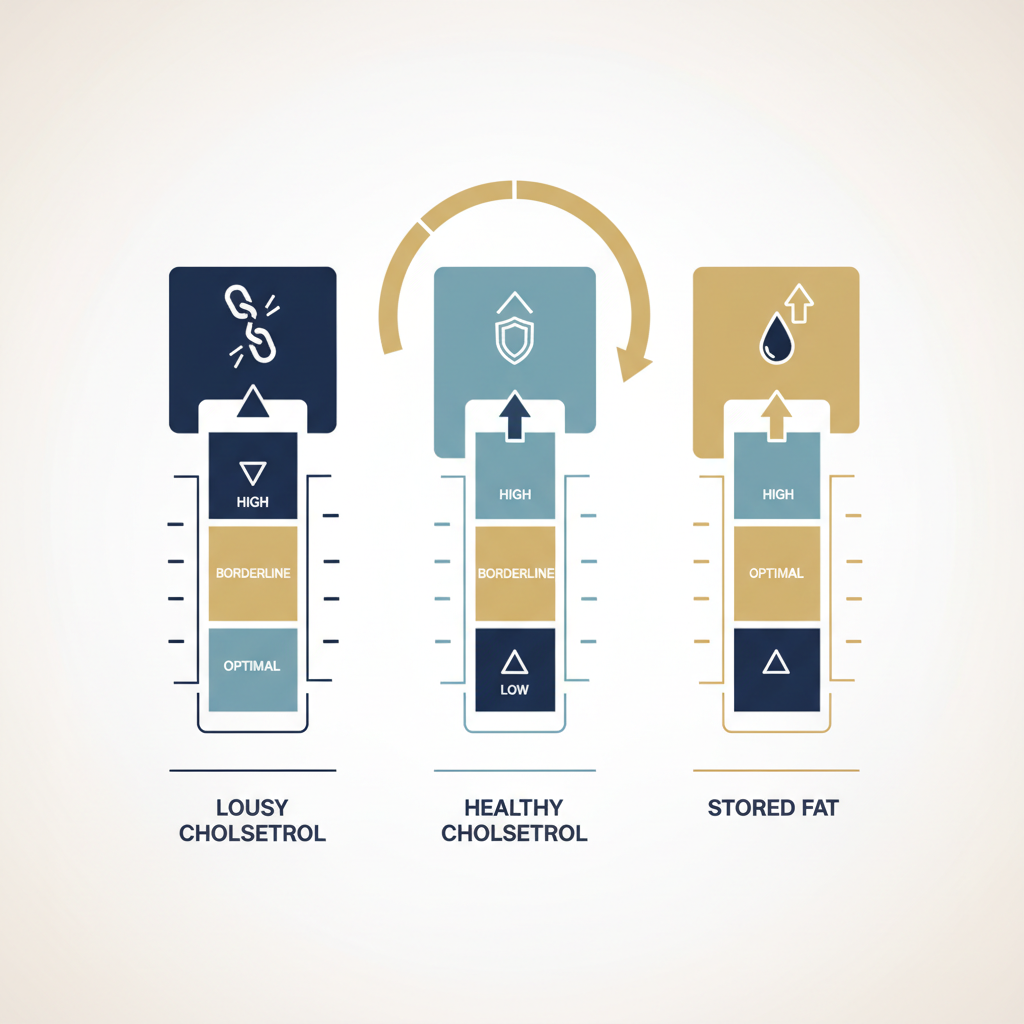
When you hold your lab result sheet, the terms can look like a secret code. Cholesterol is a waxy, fat-like substance your body needs to build cells, but balance is key. LDL (Low-Density Lipoprotein) is often called "bad" cholesterol. Think of it as trucks carrying fat to your artery walls; if there are too many trucks, it can lead to plaque buildup. In contrast, HDL (High-Density Lipoprotein) is the "good" cholesterol, acting like a vacuum cleaner that picks up excess cholesterol and takes it back to the liver to be flushed out.
Understanding these terms helps you see the big picture of your health. It’s not just about one number, but how they interact. When you realize that high HDL supports artery cleaning, you might feel more motivated to maintain physical activity that encourages this type of cholesterol. Mastering understanding cholesterol test terms empowers you to be an active participant in your health journey rather than a passive recipient of information.
The Role of Triglycerides and Non-HDL Cholesterol
In addition to LDL and HDL, you will find Triglycerides. These are the most common type of fat in the body, storing excess energy from your diet. When you consume more calories than you burn, your body converts them into triglycerides. If you are looking for ways to improve these levels, you can explore Triglycerides Lowering Natural Strategies: A Practical, Evidence‑Based Guide (Heart Health) for deeper insights into how daily habits impact these figures.
There is also the term Non-HDL Cholesterol, which is simply your total cholesterol minus your HDL. This number gives a comprehensive view of all the "bad" types of cholesterol in your blood. Monitoring this number helps provide a more accurate view of potential risks, making your lifestyle decisions more targeted and clear.
Short Reflection Challenge: Connecting Your Daily Choices to Your Lab Report
5-Minute Challenge: Reflect on Your Numbers
Take a minute to think about your last cholesterol test, then answer these questions honestly:
- Which number in the report sparked the most curiosity or concern for you?
- Looking at your past week, can you identify one habit (dietary or physical) that might relate to this number?
- What is one small change you can start today to support improving this number in your next check-up?
The goal of this challenge isn't self-blame, but building a bridge of awareness between what happens inside your body and your daily choices in the kitchen or at work.
Navigating Your Next Consultation: Bridging the Gap Between Data and Action
Knowledge is half the battle; the other half is effective communication with your healthcare provider. Don’t just settle for hearing that your "results are fine." Ask for details. Ask how your current results compare to previous ones and what specific goals you should aim for based on your personal profile. To facilitate this process, we have prepared Your Comprehensive Heart Health Appointment Question List and Result Guide, which will help you organize your thoughts and ensure no important questions are missed during the visit.
Remember that your doctor is your partner. When you show interest in understanding cholesterol test terms, you send a message that you are seriously committed to your heart health. This interaction builds mutual trust and makes the care plan more relevant to your daily reality.
From Lab Results to Grocery Aisles: A Practical Integration
Once you leave the clinic, the real tests begin in the supermarket aisles. This is where science meets application. If your goal is to manage LDL levels, reading nutrition labels becomes a vital skill. You should look for saturated and trans fats and understand how soluble fiber can support your goals. You can enhance this skill by reading Reading Nutrition Labels for Heart Health: A Comprehensive Guide to Smart Food Choices, where you will learn to distinguish between marketing claims and actual nutritional facts.
In our daily lives, where flavorful and rich dishes are common, heart health awareness doesn't mean deprivation; it means smart choices. Replacing some saturated fats with more balanced options, like olive oil or raw nuts, can have a long-term positive impact on your lipid profile without losing the joy of eating.
Sustaining Heart Health Through Consistent Monitoring
Heart health is not a destination; it’s a continuous journey. Understanding test terms once isn't enough; it should be part of an annual or semi-annual routine. Consistency in monitoring allows you to spot trends before they become major issues. If you see that HDL levels are starting to drop, it might be a signal to reintegrate brisk walking into your daily schedule. If you notice a rise in triglycerides, it might be time to reduce added sugars in your daily coffee or sweets.
Awareness of understanding cholesterol test terms makes it easier to stay motivated. When you see a slight improvement in your numbers as a result of your efforts, it reinforces positive behaviors and makes sticking to a healthy lifestyle feel rewarding and tangible.
Frequently Asked Questions About Cholesterol Terms
A: Traditionally, a 9-12 hour fast is required for the most accurate triglyceride measurement, but some modern guidelines allow for non-fasting tests in certain cases. Always consult your doctor.
Q: What is the difference between total cholesterol and LDL?
A: Total cholesterol is the sum of HDL, LDL, and other lipid components, while LDL is the specific part most associated with increased health risks when elevated.
Q: Can HDL be too high?
A: Generally, higher HDL is considered good, but in very rare cases, extremely high levels might not function effectively. Balance is always best.
Q: How often should I get my cholesterol checked?
A: It depends on your age, family history, and other risk factors. Usually, it's recommended every 4-6 years for healthy adults, and more frequently if specific factors warrant it.
Q: Does stress affect cholesterol results?
A: Some studies suggest that chronic stress may indirectly affect lipid levels by influencing dietary habits and hormones, making stress management a part of heart health.
Medical Disclaimer: The information in this article is for educational purposes only and is not a substitute for professional medical advice. Always consult your physician or a qualified healthcare provider before making any changes to your diet, lifestyle, or starting any treatment.
Related Articles
- Reading Nutrition Labels for Heart Health: A Comprehensive Guide
- Heart Health Appointment Question List & Results
- Natural Strategies for Lowering Triglycerides

Explore health education
Review the educational guides and practical tools related to this topic.
Explore the education hubContinue your next step with ATHAR
Explore the official Feel Great member path, or learn about the creator partnership route if you are interested in sharing wellness education with your audience.
Explore Feel Great · Explore the Creator Affiliate gateway · Ask a question on WhatsApp