Spain Wellness Trends: A Myth-versus-Fact Guide for Modern Living
Author: Feras Alayed
Published:
Updated:
Category: health-literacy
Reading Time: 7 minutes
Living in Spain offers a unique backdrop for health. Between the sun-drenched terraces and the abundance of fresh produce, the 'Mediterranean lifestyle' is often touted as the gold standard for longevity. However, for many residents—both locals and expats—maintaining that ideal is harder than it looks. You might find yourself caught between the late-night social culture and the desire to feel energized, or perhaps you have tried various wellness trends only to find them unsustainable against the backdrop of Spanish daily life. The frustration of not seeing results despite 'living in Spain' is a common hurdle.
The challenge often lies in the gap between popular wellness myths and the practical reality of metabolic health. When we look at wellness trends in Spain, it is essential to distinguish between what is culturally traditional and what is scientifically supported for modern needs. By understanding these nuances, you can move away from fleeting trends and toward a structured approach that supports your individual goals without sacrificing the joy of Spanish living.
The Mediterranean Diet: Myth vs. Reality
One of the most pervasive wellness trends in Spain is the idea that simply living here ensures a healthy diet. While the traditional Mediterranean pattern is evidence-based, the modern reality is often different.
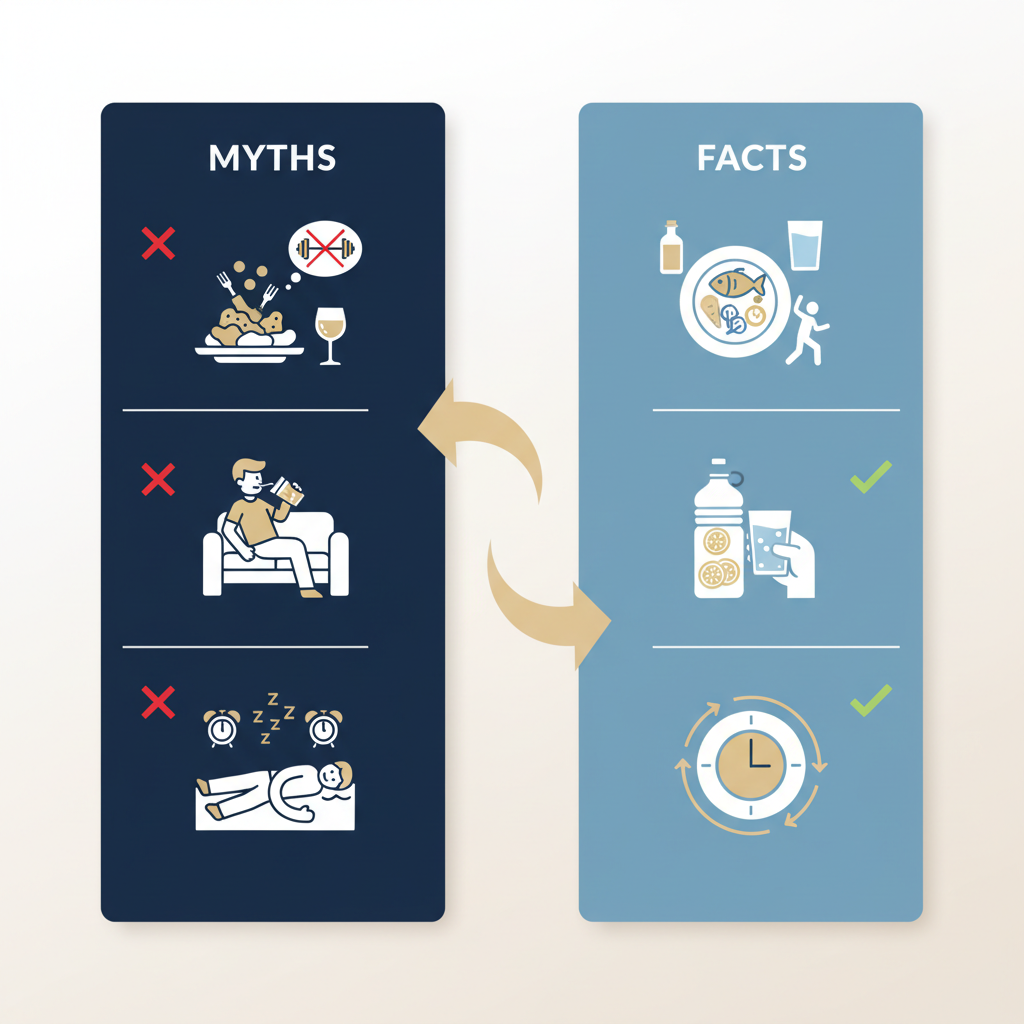
Myth: Every meal in Spain follows the Mediterranean ideal.
Fact: While the ingredients are available, the 'Westernization' of diets has affected Spain significantly. The Agencia Española de Seguridad Alimentaria y Nutrición (AESAN) frequently highlights the importance of returning to whole foods. A true Mediterranean pattern involves high intake of legumes, vegetables, and healthy fats, but modern convenience often leads to increased consumption of ultra-processed snacks and refined carbohydrates. Simply living in proximity to olive oil does not equate to a balanced metabolic profile.
Myth: You need expensive superfoods to be healthy in Spain.
Fact: Some of the most potent health-supporting foods are staples in Spanish markets. Legumes like garbanzos (chickpeas) and lentejas (lentils) are exceptional sources of dietary fiber. Understanding dietary fiber in the context of traditional foods—whether in the Gulf or the Mediterranean—shows that local, humble ingredients often outperform trendy, imported 'superfoods.'
Metabolic Health and Blood Sugar in the Spanish Context
As wellness trends in Spain shift toward metabolic awareness, many are beginning to look at how their bodies process energy. This is particularly relevant given the Spanish habit of eating late in the evening.
Myth: Blood sugar levels only matter if you have a diagnosed condition.
Fact: Monitoring how your body responds to different foods is a proactive tool for everyone. In Spain, blood sugar is measured in mg/dL. A typical fasting blood sugar level is generally considered to be below 100 mg/dL, though you should always consult a healthcare professional to interpret your specific results. Understanding these patterns can help you identify why you might feel a 'slump' after a heavy lunch or why your sleep feels disrupted after a late dinner. You can learn more about this in our visual checklist for tracking blood sugar patterns.
Myth: Late-night dining is inherently 'bad' for your metabolism.
Comparison: Traditional Habits vs. Modern Wellness Trends
To better understand how to navigate your health journey in Spain, consider this comparison of common beliefs versus evidence-based practices.
| Topic | Common Wellness Myth | Evidence-Based Fact |
|---|---|---|
| The Siesta | Everyone in Spain naps, which solves sleep deprivation. | Modern work schedules make siestas rare; quality nighttime sleep remains the priority for health. |
| Olive Oil | You can consume unlimited olive oil because it is 'healthy.' | While beneficial, it is calorie-dense. Balance and quality (Extra Virgin) are key. |
| Fruit Juices | Freshly squeezed 'zumo de naranja' is the best way to start the day. | Whole fruit is superior due to fiber content, which helps manage the glucose response (mg/dL). |
| Intermittent Fasting | Fasting is impossible with the Spanish social schedule. | Fasting can be adapted to any schedule; it is about the window of time, not the specific hours. |
Navigating the Spanish Healthcare Landscape
When evaluating wellness trends in Spain, it is vital to rely on credible sources. The Ministerio de Sanidad (Ministry of Health) and regional health services (like SAS in Andalusia or CatSalut in Catalonia) provide guidelines that are tailored to the local population. If you are an expat, navigating these systems can be daunting, but they are the primary source for clinical advice.
For those looking at metabolic markers, understanding your lab results is the first step. If you have recently received blood work, you might find our guide on understanding cholesterol test terms helpful for decoding the terminology used by Spanish laboratories.
The Role of Structured Support: The structured reflection approach
Many people find that even with the best intentions, consistency is the missing ingredient. This is where structured lifestyle supports, such as the structured reflection approach, come into play. It is important to view these not as 'magic pills' or cures, but as tools for organization. In a country where social life revolves around food, having a set routine—such as a specific fiber supplement before meals or a consistent fasting window—can make the 'healthier choice' the 'easier choice.'
This approach is similar to how residents in other regions manage their health. For instance, looking at wellness trends in France shows a similar struggle between traditional culinary pride and modern metabolic needs. By using a structured system, you create a buffer that allows you to enjoy a paella with friends while supporting your body's natural processes.
Practical Steps for Residents in Spain
- Prioritize Fiber: Start your meals with a salad or a serving of legumes. This simple sequence can help moderate the glucose response of the carbohydrates that follow.
- Walk the 'Paseo': Embrace the Spanish tradition of the evening walk. Physical activity after a meal is one of the most effective ways to help your muscles utilize circulating glucose (measured in mg/dL).
- Check Your Sources: Before following a new trend, check if it is recognized by AESAN or the World Health Organization (WHO). Avoid 'miracle' claims that promise rapid weight loss or disease reversal.
- Seek Professional Guidance: If you are concerned about insulin resistance or metabolic health, consult a doctor. You can also read about navigating metabolic health to understand the types of questions you might want to ask your healthcare provider.
Conclusion
Remember, health is a journey of small, consistent choices rather than drastic, short-term changes. Focus on what you can control, use evidence-based tools to support your routine, and always keep your healthcare provider in the loop.

Frequently Asked Questions
What is the scope of this guide?
This guide is educational and helps readers organize questions and observations for further learning.
How should I use the information?
Use it to review terminology, note personal questions, and identify sources that require verification.
When should I seek professional guidance?
Discuss personal symptoms, medicines, diagnoses, or treatment decisions with a licensed professional.
Further Education
- Explore the metabolic health education hub
- Learn how to read research summaries
- Use the educational health assessment
Explore health education with care
Use ATHAR’s educational guides and practical tools to choose your next learning step.
Continue your next step with ATHAR
Explore the official Feel Great member path, or learn about the creator partnership route if you are interested in sharing wellness education with your audience.
Explore Feel Great · Explore the Creator Affiliate gateway · Ask a question on WhatsApp