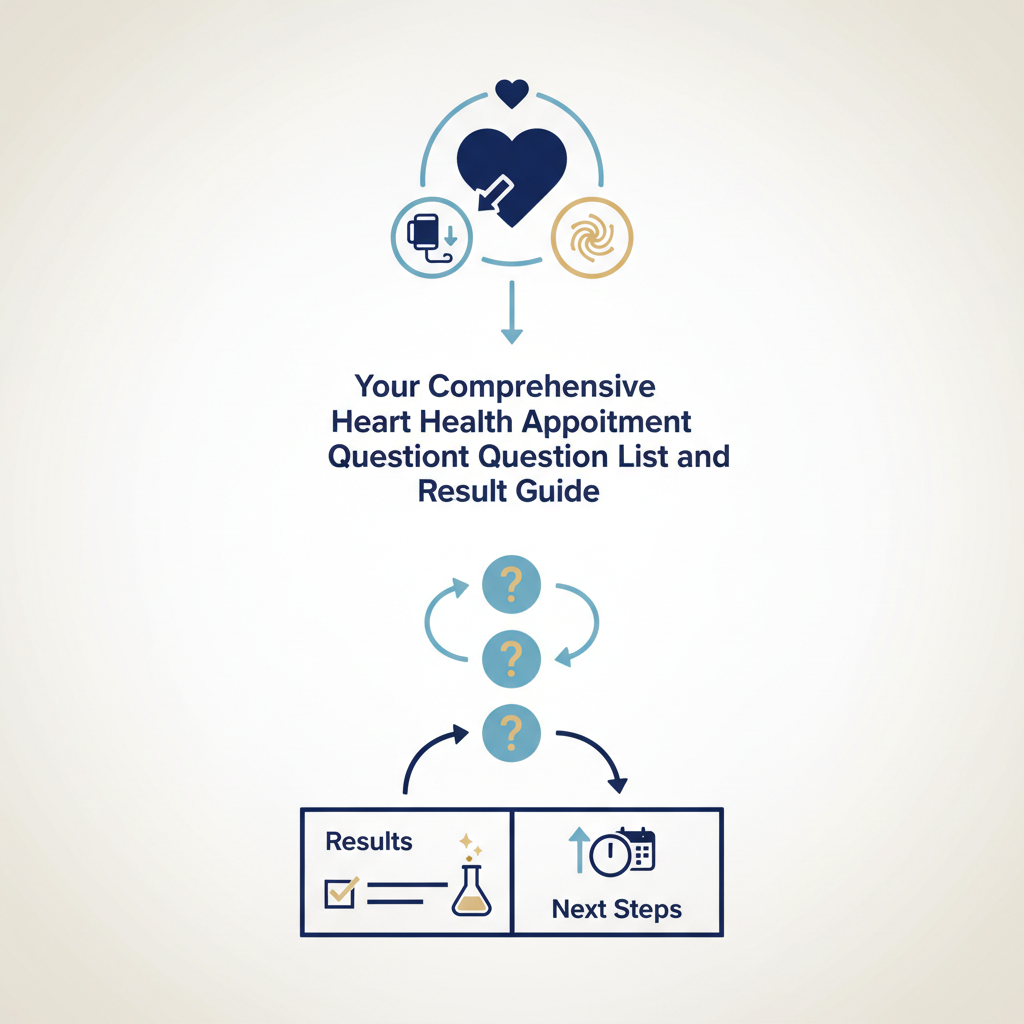
Your Comprehensive Heart Health Appointment Question List and Result Guide
Author: Feras Alayed
Published:
Updated:
Category: heart-health
Reading Time: 7 minutes
- Preparation with a specific question list reduces anxiety and ensures thorough care.
- Understanding the nuances of LDL, HDL, and triglycerides is vital for risk assessment.
- Effective label reading focuses on serving sizes, sodium, and hidden fats.
- Always verify "natural" heart claims with a professional before implementation.
Importance of Preparing for a Heart Health Visit
When it comes to cardiovascular wellness, being an active participant in your care is paramount. Many patients feel overwhelmed during medical appointments due to time constraints or complex terminology. This is where having a structured heart health appointment question list becomes invaluable. Preparation involves more than just listing questions; it requires understanding your family history, documenting symptoms precisely, and monitoring your blood pressure at home before the visit. In many cultures, where dietary habits and genetics play a significant role, it is essential to ask how these factors specifically impact your personal risk. Ask your doctor: "What is my 10-year cardiovascular risk score, and what specific steps can we take to improve it?" Remember, your physician is your partner, and the clearer your communication, the more effectively they can tailor a plan for you.
Decoding Cholesterol Test Terms and Lipid Profiles
Laboratory results can often look like a foreign language. When reviewing your report, you will encounter cholesterol test terms such as Total Cholesterol, LDL (the "bad"), HDL (the "good"), and Triglycerides. It is crucial to ask your doctor what these numbers mean for you individually, rather than just comparing them to general ranges. For example, an LDL level might be considered "normal" by lab standards but could be too high for someone with diabetes or existing heart disease. If you notice your triglycerides are elevated, you might want to explore Triglycerides Lowering Natural Strategies: A Practical, Evidence‑Based Guide (Heart Health) to discuss these options with your provider. Also, ask about your Non-HDL cholesterol or the ratio of total cholesterol to HDL, as these often provide a more comprehensive picture of arterial health. Don't hesitate to request a simplified explanation of how lifestyle changes affect each specific lipid component.
Heart Health Label Reading in Daily Life
Mastering heart health label reading is a critical skill in an era of processed foods. When shopping, pay close attention to sodium content, as high intake is directly linked to hypertension. Ask your doctor or a registered dietitian: "What is my daily sodium limit, and how can I identify hidden trans fats listed as 'partially hydrogenated oils'?" Focus on dietary fiber as well; foods high in soluble fiber can actively help lower LDL cholesterol. Learn to interpret serving sizes correctly; often, a single package contains multiple servings, meaning you could be consuming double or triple the calories and fats without realizing it. Understanding these labels empowers you to make heart-healthy choices every time you visit the grocery store.
Evaluating Heart Health Claims and Supplements
In the digital age, we are bombarded with claims about supplements or herbs that supposedly "clear arteries" or "melt heart fat." The process of evaluating heart claims requires a skeptical and scientific approach. Always ask your doctor before starting any supplement: "Are there robust clinical trials supporting this product? Does it interact with my current medications?" Remember that the label "natural" does not automatically mean "safe." Some herbal products can raise blood pressure or interfere with blood thinners like aspirin or warfarin. Discuss any information you’ve found online or heard from peers with your doctor, and ask them to point you toward reliable, evidence-based medical sources. The goal is to protect your heart from unverified trends that could lead to adverse effects.
Essential Questions Regarding Cardiac Medications
If your doctor prescribes medication for blood pressure or cholesterol, there are specific questions you must ask. Start with: "What is the primary goal of this medication? When should I expect to see results? What are the common side effects I should monitor?" It is also vital to know what to do if you miss a dose. In daily life, we often take over-the-counter meds for colds or pain; ask about potential drug-drug interactions. If you are concerned about long-term dependency, discuss the possibility of reducing dosages in the future if your biomarkers improve through lifestyle changes. However, never discontinue a medication without professional guidance. A deep understanding of your treatment plan increases adherence and significantly improves long-term heart health outcomes.
Lifestyle and Physical Activity: Questions to Discuss
Physical activity is a cornerstone of heart health, but starting a routine requires medical clearance, especially if you have pre-existing conditions. Ask your doctor: "What types of exercise are safest for my current heart function? What is my target heart rate zone? How should I respond to any shortness of breath or chest discomfort during exertion?" Beyond exercise, discuss stress management and sleep quality. Ask about the physiological impact of chronic stress on your heart and strategies to mitigate it. In social settings, maintaining a strict diet can be challenging; ask for practical tips on navigating communal meals and celebrations without compromising your progress. Small, consistent lifestyle adjustments often yield the most significant long-term benefits.
Common Communication Mistakes in Heart Care
Many patients inadvertently hinder their care through common mistakes. First, failing to bring a complete list of current medications (including vitamins and minerals). Second, downplaying "minor" symptoms like unusual fatigue or lightheadedness, assuming they are just signs of aging. Third, not being fully transparent about dietary habits or smoking; your doctor needs the truth to help you, not to judge you. Fourth, assuming that the absence of pain means the heart is perfectly healthy; many cardiovascular issues are "silent." Fifth, not taking notes during the appointment, which leads to forgetting critical recommendations. Avoiding these pitfalls ensures you maximize the value of every minute spent with your specialist.
Developing a Long-Term Follow-Up Plan
Heart health is not a one-time event; it is a continuous journey. At the end of your appointment, ensure you have a clear roadmap for the future. Ask: "When should my next follow-up be? What routine screenings do I need in the interim? How can I contact the office if new symptoms arise?" Request that your doctor set specific, measurable goals (such as reaching a certain weight or blood pressure reading) by the next visit. Having quantifiable targets provides motivation and a sense of direction. Remember, consistently updating your heart health appointment question list based on your progress is the key to maintaining a strong, resilient heart for years to come.
Common Myths That Need Scrutiny
- Myth: If my total cholesterol is normal, my heart is fine. Fact: You must look at the breakdown (LDL, HDL) and other risk factors like inflammation and blood pressure.
- Myth: Natural supplements are always safer than heart medications. Fact: Prescribed meds are rigorously tested; supplements may lack evidence and can cause dangerous interactions.
- Myth: Chest pain is the only sign of a heart attack. Fact: Symptoms can include jaw pain, nausea, or extreme fatigue, particularly in women.
Questions to Discuss with a Licensed Professional
- What are my specific target numbers for blood pressure and cholesterol?
- Do I need a stress test or advanced cardiac imaging?
- How do my other medications affect my cardiovascular health?
- What warning signs should prompt an immediate trip to the emergency room?
- Are there specific dietary changes you recommend based on my latest lab results?

Explore health education
Review the educational guides and practical tools related to this topic.
Explore the education hub