A Canadian Guide to Keeping a Sleep Journal: Strategies for Better Rest
دليل كندي لتدوين مذكرات النوم: استراتيجيات لراحة أفضل
Author: Feras Alayed - Therapeutic & Behavioral Nutrition Specialist
Published:
Updated:
Category: sleep
Reading Time: 7 minutes
Key Takeaways
- A sleep journal helps identify patterns that digital trackers might miss.
- Canadian environmental factors, like seasonal light changes, significantly impact sleep quality.
- Consistency in nutrition and daily routines is a pillar of sleep hygiene.
- Sleep journals are tools for observation, not for self-diagnosis.
- Always consult a Canadian healthcare professional for persistent sleep issues.
Introduction: The Canadian Sleep Challenge
For many Canadians, the quest for a good night’s rest feels like an uphill battle. Whether it is the long, dark mornings of a Prairie winter, the humid summer nights in Southern Ontario, or the high-stress demands of a career in Vancouver’s tech sector, sleep often takes a backseat. You might find yourself waking up feeling unrefreshed, despite spending eight hours in bed, or perhaps you struggle to fall asleep as your mind races through tomorrow’s to-do list. Previous attempts to 'fix' sleep often fail because they focus on quick fixes rather than understanding the underlying patterns. This is where a sleep journal guide Canada residents can use becomes invaluable. By documenting your habits, you move from guesswork to evidence-based lifestyle adjustments. The goal is not just to sleep longer, but to understand the factors that influence your unique rest cycle.
What is a Sleep Journal?
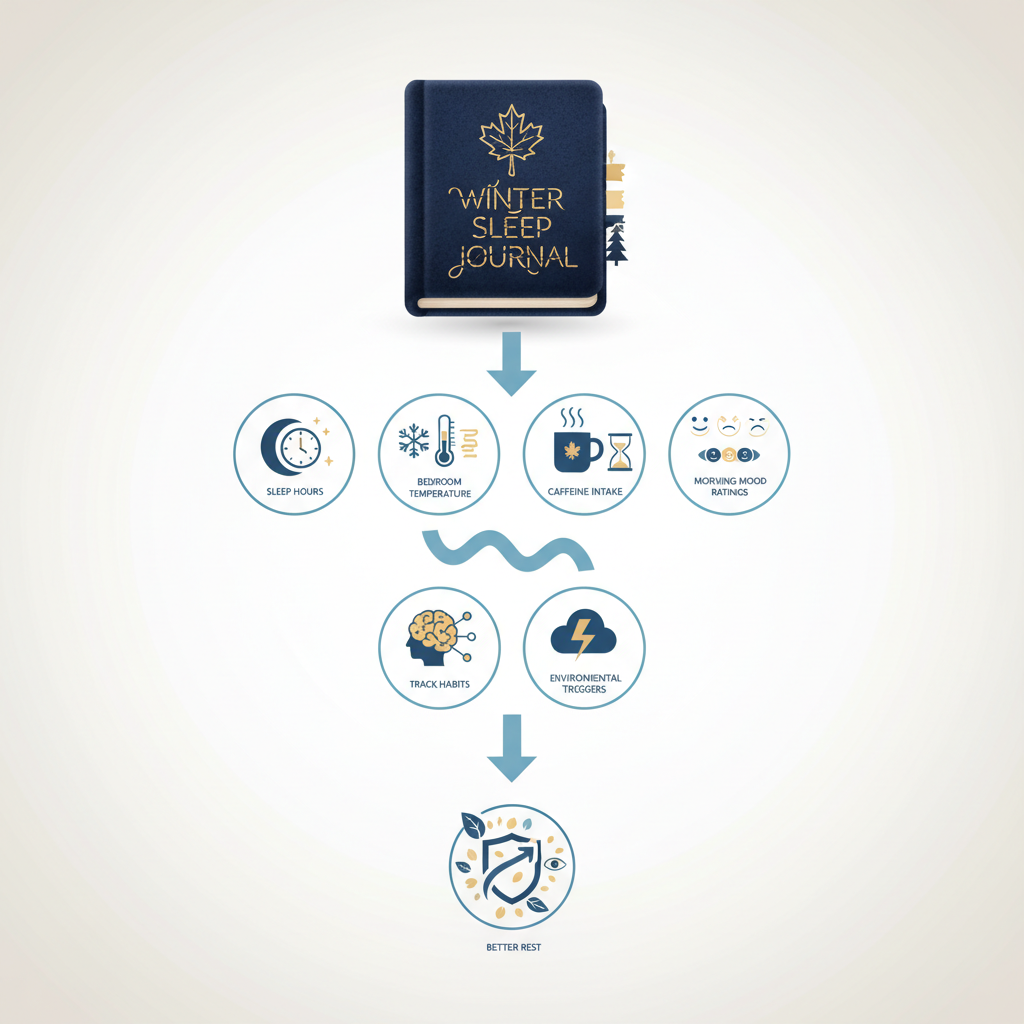
A sleep journal is a daily record of your sleep patterns, daytime habits, and environmental factors. Unlike a wearable device that tracks movement or heart rate, a journal captures the subjective experience—how you felt, what you ate, and the stressors you faced. It bridges the gap between raw data and lived experience. In the context of realistic health goals and verifiable information, a journal serves as a personal database that you can share with a healthcare provider to provide a clearer picture of your health journey.
Why Keep a Sleep Journal?
Tracking your sleep allows you to see the 'why' behind a bad night. Perhaps you notice that every time you have a late-night snack, your sleep is fragmented. Or maybe you realize that on days you exercise outdoors in the Canadian sun, you fall asleep faster. By identifying these external eating cues and habit awareness, you can begin to make informed choices. Sustainability is key; a journal helps you see progress over weeks rather than days, making it easier to stick to a programme. It also helps you differentiate between a temporary disruption and a chronic pattern that requires medical attention.
How to Start Your Journal: A Step-by-Step Guide
Canadian Lifestyle Factors and Sleep
Canada’s unique geography plays a significant role in our sleep-wake cycles. During the winter, the lack of natural light can lead to a shift in circadian rhythms, often referred to as Seasonal Affective Disorder (SAD). Conversely, the 'midnight sun' in Northern territories can make it difficult to wind down. Furthermore, many Canadians work in industries requiring shift work or flexible work responsibilities, which can wreak havoc on sleep consistency. A sleep journal helps you track how these seasonal and professional shifts affect your energy levels and recovery.
Analyzing Your Data for Better Habits
After two weeks of journaling, look for trends. Do you sleep better on days you follow your fibre programme? Does your sleep quality drop when you work late? For professionals, understanding practical team development indicators can even include how collective stress impacts individual rest. If you notice that your sleep is consistently poor despite good hygiene, this data becomes a vital tool for your doctor. It moves the conversation from 'I'm tired' to 'I wake up four times a night, usually after eating late or when the room is above 20°C.'
When to Seek Professional Medical Advice
A sleep journal is a supportive tool, not a diagnostic one. If you experience chronic insomnia, loud snoring followed by gasping (potential sleep apnea), or excessive daytime sleepiness that interferes with safety, you must consult a Canadian healthcare professional. Use your journal to present clear facts. Our health literacy guide on understanding reports can help you prepare the right questions for your physician. Remember, only a licensed professional can diagnose sleep disorders.
Source-Verification Checklist
When researching sleep advice in Canada, use this checklist: 1. Is the information from a recognized body like the Canadian Sleep Society or Health Canada? 2. Does the author distinguish between lifestyle support and medical treatment? 3. Are the claims backed by peer-reviewed Canadian research? 4. Is there a clear medical disclaimer? For those interested in the business side of wellness, ensure any wellness affiliate you follow adheres to these ethical standards.

Frequently Asked Questions
Q: How long should I keep a sleep journal? A: Generally, two to four weeks is enough to identify most lifestyle-related patterns.
Q: Can I use a phone app instead of paper? A: Yes, but be mindful of blue light exposure if you fill it out right before bed. A paper journal is often better for the 'wind-down' phase.
Q: Should I track my dreams? A: While not strictly necessary for sleep hygiene, tracking dreams can help identify psychological stressors that might be affecting your rest.
Q: What is the best room temperature for sleep in Canada? A: Most experts suggest keeping your bedroom between 16°C and 18°C for optimal rest.
Next Step: اعرف الخطوة المناسبة لهدفك - Start by assessing your current sleep habits and identifying one area for consistency this week.
Further Education
- Explore the metabolic health education hub
- Learn how to read research summaries
- Use the educational health assessment
Explore the topic with reliable health education
Use ATHAR’s educational guides and practical tools to consider your next learning step.
النقاط المستفادة الرئيسية
- تساعد مذكرات النوم في تحديد الأنماط التي قد تفوتها أجهزة التتبع الرقمية.
- العوامل البيئية الكندية، مثل التغيرات الموسمية في الضوء، تؤثر بشكل كبير على جودة النوم.
- الاتساق في التغذية والروتين اليومي هو ركيزة من ركائز نظافة النوم.
- مذكرات النوم هي أدوات للملاحظة، وليست للتشخيص الذاتي.
- استشر دائماً أخصائي رعاية صحية كندي في حالة وجود مشاكل نوم مستمرة.
مقدمة: تحدي النوم الكندي
بالنسبة للعديد من الكنديين، يبدو السعي للحصول على قسط جيد من الراحة ليلاً وكأنه معركة شاقة. سواء كان ذلك في صباحات شتاء البراري الطويلة والمظلمة، أو ليالي الصيف الرطبة في جنوب أونتاريو، أو متطلبات العمل عالية الضغط في قطاع التكنولوجيا في فانكوفر، فغالباً ما يأتي النوم في المرتبة الثانية. قد تجد نفسك تستيقظ وأنت تشعر بعدم الانتعاش، على الرغم من قضاء ثماني ساعات في السرير، أو ربما تكافح من أجل النوم بينما يتسابق عقلك في قائمة مهام الغد. غالباً ما تفشل المحاولات السابقة لـ "إصلاح" النوم لأنها تركز على الحلول السريعة بدلاً من فهم الأنماط الكامنة. وهنا يصبح دليل مذكرات النوم الذي يمكن لسكان كندا استخدامه ذا قيمة كبيرة. من خلال توثيق عاداتك، تنتقل من التخمين إلى تعديلات نمط الحياة القائمة على الأدلة. الهدف ليس مجرد النوم لفترة أطول، بل فهم العوامل التي تؤثر على دورة راحتك الفريدة.
ما هي مذكرات النوم؟
مذكرات النوم هي سجل يومي لأنماط نومك، وعاداتك النهارية، والعوامل البيئية. على عكس الأجهزة القابلة للارتداء التي تتبع الحركة أو معدل ضربات القلب، تلتقط المذكرات التجربة الذاتية - كيف شعرت، وماذا أكلت، والضغوط التي واجهتها. إنها تسد الفجوة بين البيانات الخام والتجربة المعاشة. في سياق الأهداف الصحية الواقعية والمعلومات القابلة للتحقق، تعمل المذكرات كقاعدة بيانات شخصية يمكنك مشاركتها مع مقدم الرعاية الصحية لتقديم صورة أوضح لرحلتك الصحية.
لماذا نحتفظ بمذكرات النوم؟
يسمح لك تتبع نومك برؤية "السبب" وراء ليلة سيئة. ربما تلاحظ أنه في كل مرة تتناول فيها وجبة خفيفة في وقت متأخر من الليل، يكون نومك متقطعاً. أو ربما تدرك أنه في الأيام التي تمارس فيها الرياضة في الهواء الطلق تحت الشمس الكندية، تنام بشكل أسرع. من خلال تحديد إشارات الأكل الخارجية والوعي بالعادات، يمكنك البدء في اتخاذ خيارات مستنيرة. الاستدامة هي المفتاح؛ تساعدك المذكرات على رؤية التقدم على مدار أسابيع بدلاً من أيام، مما يسهل الالتزام بالبرنامج. كما تساعدك على التمييز بين الاضطراب المؤقت والنمط المزمن الذي يتطلب عناية طبية.
كيف تبدأ مذكراتك: دليل خطوة بخطوة
عوامل نمط الحياة الكندي والنوم
تلعب جغرافيا كندا الفريدة دوراً مهماً في دورات النوم والاستيقاظ لدينا. خلال فصل الشتاء، يمكن أن يؤدي نقص الضوء الطبيعي إلى تحول في الإيقاعات اليومية، وهو ما يشار إليه غالباً باسم الاضطراب العاطفي الموسمي (SAD). وعلى العكس من ذلك، فإن "شمس منتصف الليل" في الأقاليم الشمالية يمكن أن تجعل من الصعب الاسترخاء. علاوة على ذلك، يعمل العديد من الكنديين في صناعات تتطلب العمل بنظام الورديات أو مسؤوليات عمل مرنة، مما قد يؤدي إلى اختلال اتساق النوم. تساعدك مذكرات النوم على تتبع كيفية تأثير هذه التحولات الموسمية والمهنية على مستويات الطاقة والتعافي لديك.
تحليل بياناتك من أجل عادات أفضل
بعد أسبوعين من التدوين، ابحث عن الاتجاهات. هل تنام بشكل أفضل في الأيام التي تتبع فيها برنامج الألياف الخاص بك؟ هل تنخفض جودة نومك عندما تعمل في وقت متأخر؟ بالنسبة للمهنيين، يمكن أن يشمل فهم مؤشرات تطوير الفريق العملية حتى كيفية تأثير الضغط الجماعي على الراحة الفردية. إذا لاحظت أن نومك ضعيف باستمرار رغم النظافة الجيدة للنوم، تصبح هذه البيانات أداة حيوية لطبيبك. فهي تنقل المحادثة من "أنا متعب" إلى "أستيقظ أربع مرات في الليلة، عادةً بعد الأكل المتأخر أو عندما تكون درجة حرارة الغرفة فوق 20 درجة مئوية".
متى يجب طلب المشورة الطبية المهنية
مذكرات النوم هي أداة داعمة وليست أداة تشخيصية. إذا كنت تعاني من أرق مزمن، أو شخير مرتفع يتبعه لهاث (انقطاع تنفس محتمل أثناء النوم)، أو نعاس مفرط أثناء النهار يتداخل مع السلامة، فيجب عليك استشارة أخصائي رعاية صحية كندي. استخدم مذكراتك لتقديم حقائق واضحة. يمكن أن يساعدك دليل الثقافة الصحية حول فهم التقارير في إعداد الأسئلة الصحيحة لطبيبك. تذكر أن المهني المرخص فقط هو من يمكنه تشخيص اضطرابات النوم.
قائمة التحقق من صحة المصادر
عند البحث عن نصائح النوم في كندا، استخدم قائمة التحقق هذه: 1. هل المعلومات صادرة عن جهة معترف بها مثل الجمعية الكندية للنوم أو وزارة الصحة الكندية؟ 2. هل يميز المؤلف بين دعم نمط الحياة والعلاج الطبي؟ 3. هل الادعاءات مدعومة بأبحاث كندية مراجعة من قبل الأقران؟ 4. هل هناك إخلاء مسؤولية طبي واضح؟ بالنسبة للمهتمين بالجانب التجاري للعافية، تأكد من أن أي مسوق بالعمولة في مجال العافية تتابعه يلتزم بهذه المعايير الأخلاقية.
الأسئلة الشائعة
س: ما هي المدة التي يجب أن أحتفظ فيها بمذكرات النوم؟ ج: بشكل عام، يكفي أسبوعان إلى أربعة أسابيع لتحديد معظم الأنماط المتعلقة بنمط الحياة.
س: هل يمكنني استخدام تطبيق هاتف بدلاً من الورق؟ ج: نعم، ولكن كن حذراً من التعرض للضوء الأزرق إذا قمت بملئه قبل النوم مباشرة. غالباً ما تكون المذكرات الورقية أفضل لمرحلة "الاسترخاء".
س: هل يجب أن أتتبع أحلامي؟ ج: على الرغم من أنها ليست ضرورية تماماً لنظافة النوم، إلا أن تتبع الأحلام يمكن أن يساعد في تحديد الضغوط النفسية التي قد تؤثر على راحتك.
س: ما هي أفضل درجة حرارة للغرفة للنوم في كندا؟ ج: يقترح معظم الخبراء الحفاظ على غرفة نومك بين 16 و18 درجة مئوية للحصول على راحة مثالية.
الخطوة التالية: اعرف الخطوة المناسبة لهدفك - ابدأ بتقييم عادات نومك الحالية وتحديد منطقة واحدة للاتساق هذا الأسبوع.
مزيد من التعليم
استكشف الموضوع من خلال تعليم صحي موثوق
استخدم أدلة أثار (ATHAR) التعليمية وأدواتها العملية للنظر في خطوتك التعليمية التالية.
Frequently Asked Questions
How long should I keep a sleep journal?
Generally, two to four weeks is enough to identify most lifestyle-related patterns and provide meaningful data for analysis.
Can I use a phone app instead of paper?
Yes, but be mindful of blue light exposure if you fill it out right before bed. A paper journal is often better for the wind-down phase to avoid screen interference.
Should I track my dreams?
While not strictly necessary for sleep hygiene, tracking dreams can help identify psychological stressors that might be affecting your rest quality.
How does the Feel Great programme affect sleep?
By promoting consistent meal timings and metabolic balance, it may help reduce nighttime disruptions caused by blood sugar fluctuations, though it is not a sleep medication.
What is the best room temperature for sleep in Canada?
Most Canadian health experts suggest keeping your bedroom between 16°C and 18°C for optimal rest, especially during the heated winter months.