Optimizing Cellular Energy: Functional Nutrition for Mitochondrial Health
Author: Feras Alayed
Published:
Updated:
Category: longevity
Reading Time: 6 minutes
Key Takeaways
- Mitochondria are the powerhouses of the cell, and their efficiency dictates your biological age.
- Functional nutrition focuses on micronutrients like CoQ10, PQQ, and Magnesium to fuel ATP production.
- Insulin resistance is a primary driver of mitochondrial dysfunction and chronic fatigue.
- Autophagy and mitophagy, triggered by fasting, are essential for recycling damaged cellular components.
- Environmental factors like light exposure and temperature stress play a vital role in mitochondrial biogenesis.
TL;DR
Optimizing cellular energy through functional nutrition for mitochondrial health is the ultimate strategy for longevity. By prioritizing healthy fats, targeted micronutrients, and metabolic flexibility through fasting, you can reverse cellular aging and reclaim your vitality. This guide provides a science-backed roadmap to recharging your biological batteries.
What are Mitochondria and Why Do They Matter?
Mitochondria are specialized organelles found in nearly every cell of the human body, famously known as the 'powerhouses of the cell.' Their primary role is to convert the nutrients from the food we eat and the oxygen we breathe into adenosine triphosphate (ATP), the universal energy currency of life. Without efficient ATP production, every physiological process—from muscle contraction to neurotransmitter signaling—falter. In the realm of functional nutrition, we view mitochondria as the central hub of metabolic health. When these organelles are robust, you experience high energy, sharp focus, and resilience. However, mitochondrial dysfunction is a core feature of chronic fatigue syndrome, metabolic syndrome, and neurodegenerative diseases. Recent research published in *Cell* (2021) highlights that mitochondrial health is not just about energy; it’s about cellular signaling and immune response. Therefore, 'functional nutrition for mitochondrial health' is a foundational pillar for anyone seeking peak performance and long-term wellness.
The Link Between Mitochondrial Health and Longevity
The 'Mitochondrial Theory of Aging' suggests that the gradual accumulation of damage to mitochondrial DNA (mtDNA) is a driving force behind the aging process. Unlike nuclear DNA, mtDNA is highly susceptible to oxidative damage because it sits right next to the site of free radical production. As we age, our ability to repair this damage decreases, leading to a downward spiral of energy production and increased inflammation. Understanding NAD+ and aging science is crucial here, as NAD+ is the essential coenzyme that facilitates the transfer of electrons in the mitochondria. As NAD+ levels decline with age, so does mitochondrial efficiency. Furthermore, the field of longevity and functional nutrition emphasizes that maintaining mitochondrial proteostasis (protein balance) is key to extending healthspan. By protecting these organelles, we aren't just living longer; we are staying biologically younger for a greater portion of our lives.
Functional Nutrition Strategies for Cellular Energy
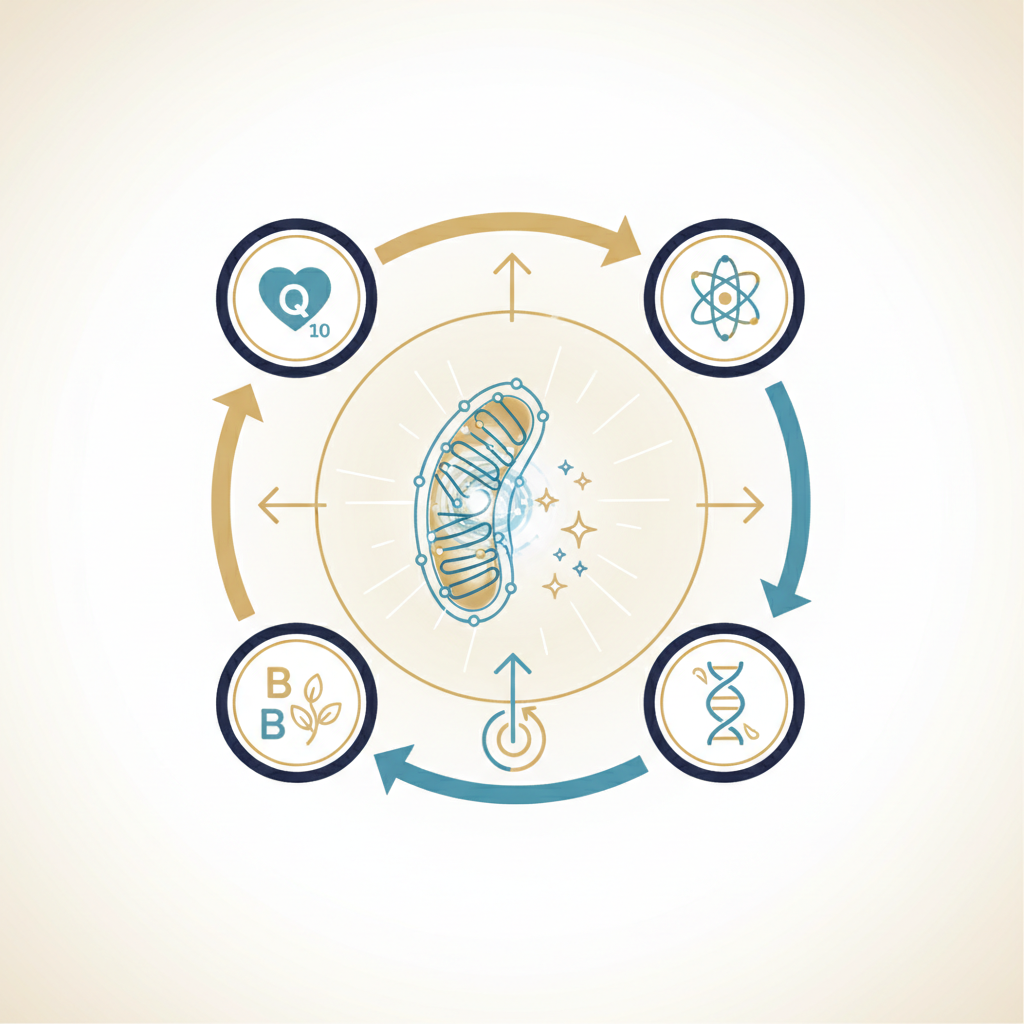
To optimize mitochondrial health, we must provide the specific 'cofactors' required for the Krebs cycle and the Electron Transport Chain. First, prioritize healthy fats. Mitochondria are highly efficient at burning ketones and fatty acids, which produce fewer reactive oxygen species (ROS) than glucose. Omega-3 fatty acids are vital for maintaining the fluidity of the mitochondrial membrane. Second, include targeted micronutrients: Coenzyme Q10 (CoQ10) is a critical electron carrier; PQQ (Pyrroloquinoline quinone) has been shown to stimulate mitochondrial biogenesis (the birth of new mitochondria); and Magnesium is necessary for the stability of the ATP molecule. Third, utilize potent antioxidants like Alpha-Lipoic Acid (ALA) and N-acetylcysteine (NAC) to bolster the cell's internal defense systems. For those struggling with metabolic hurdles, learning how to manage insulin resistance naturally is a prerequisite, as high insulin levels can impair mitochondrial flexibility.
Intermittent Fasting and Cellular Renewal
Intermittent fasting is perhaps the most potent non-pharmacological intervention for mitochondrial health. When the body enters a fasted state, it triggers a survival mechanism called autophagy. A specific subset of this process, known as mitophagy, selectively targets and removes dysfunctional mitochondria. This 'cellular spring cleaning' ensures that only the most efficient energy producers remain. For those new to this practice, our intermittent fasting beginners guide offers a structured approach to starting safely. Fasting also upregulates SIRT1, a longevity gene that promotes mitochondrial health and DNA repair. By cycling between periods of eating and fasting, you teach your mitochondria to be metabolically flexible, switching effortlessly between fuel sources.
Expert Insights from Feras Alayed’s Clinic
In my clinical experience, I’ve observed that many people suffer from 'cellular starvation' despite consuming excess calories. This happens when the mitochondria are 'clogged' by processed sugars and industrial seed oils. My top recommendation is to focus on 'clean fuel.' I often suggest a 90-day protocol to reset metabolic habits; you can explore this in the 90-day health challenge guide. Additionally, don't ignore the impact of environmental stressors. Brief exposure to cold (cryotherapy) or heat (sauna) triggers 'heat shock proteins' that protect mitochondrial function. Also, ensure you are managing your light environment; blue light at night disrupts the circadian rhythms that govern mitochondrial repair. If you are looking for a structured system, the best program for insulin resistance often serves as the perfect foundation for restoring cellular energy.
Common Mistakes Draining Your Cellular Battery
- Chronic Overeating: Constantly flooding the mitochondria with fuel leads to 'electron leakage' and oxidative stress.
- Sedentary Lifestyle: Mitochondria follow the 'use it or lose it' principle; lack of movement leads to mitochondrial decay.
- Micronutrient Deficiencies: Lacking B-vitamins or Magnesium stalls the energy production line.
- Blue Light Toxicity: Excessive screen time at night inhibits melatonin, a powerful mitochondrial antioxidant.
- Ignoring Chronic Inflammation: Hidden food sensitivities can keep the immune system in a state that drains cellular energy.
Addressing these mistakes is critical. Often, the first sign of trouble is insulin resistance symptoms, which indicate that your cells are struggling to process energy correctly.
7 Practical Steps to Optimize Mitochondria
- Eat sulfur-rich vegetables (cruciferous) to boost glutathione levels.
- Incorporate High-Intensity Interval Training (HIIT) to stimulate mitochondrial growth.
- Prioritize 7-9 hours of quality sleep to facilitate mitophagy.
- Use red light therapy or get morning sunlight to stimulate cytochrome c oxidase.
- Supplement wisely with CoQ10, Magnesium, and B-complex after consulting a professional.
- Practice 'Time-Restricted Feeding' to allow for cellular repair.
- Reduce exposure to environmental toxins (EDCs) that act as mitochondrial poisons.
Myths vs. Facts in Cellular Health
| Myth | Fact |
|---|---|
| Mitochondria only produce energy. | They also regulate cell death, calcium signaling, and immunity. |
| You can't grow new mitochondria. | Through 'biogenesis' (exercise/fasting), you can increase their number. |
| Carbs are the best fuel for energy. | Fatty acids and ketones are often 'cleaner' fuels for the mitochondria. |
| Cellular damage is irreversible. | The body has remarkable repair mechanisms if given the right nutrients and rest. |
Conclusion and Next Steps
Optimizing cellular energy through functional nutrition for mitochondrial health is the key to unlocking a life of vitality and longevity. Your mitochondria are the silent engines of your existence; treat them with the respect they deserve by fueling them correctly and giving them time to repair. The journey to better health starts at the cellular level. Next Step: Take our metabolic assessment to identify your specific needs and start your personalized journey to cellular wellness.
Frequently Asked Questions
How does the Feel Great system work?
The Feel Great system combines Unimate (yerba mate for GLP-1 stimulation and appetite control), Balance (fiber matrix for glucose regulation), and the 4-4-12 intermittent fasting pattern to support metabolic health naturally.
Is intermittent fasting safe?
Research from The BMJ (99 clinical trials, 6,582 participants) confirms intermittent fasting is safe and effective for weight management and cardiovascular health improvement.
How long before I see results?
Clinical studies show measurable improvements in metabolic markers within 8-12 weeks of consistent use. Individual results may vary.
Related Research & Articles
- 📊 BMJ 2025: Intermittent Fasting - 99 Clinical Trials
- 📊 Unimate & GLP-1: BYU Study 2025
- 📊 Balance Reduces LDL 24.5% - Cleveland Clinic
- Best Program for Insulin Resistance (Partner Site)
Related ATHAR paths

Ready to choose a clearer health starting point?
Start with a short educational assessment to explore tools and resources that may fit your goal. It is not a medical diagnosis.
Continue learning at Longevity & Functional Nutrition.